


Unwanted noise can disrupt productivity, concentration, and comfort in any space. Acoustic wall panels absorb sound waves and reduce echo, creating a more controlled audio environment in homes, offices, studios, and commercial spaces. These panels transform rooms with excessive reverberation into spaces where conversations are clearer and distractions are minimized.
Acoustic panels come in various materials, including foam, fabric-wrapped fiberglass, polyester, and wood, each offering different levels of sound absorption and aesthetic appeal. The most effective panels feature a high Noise Reduction Coefficient (NRC) rating, typically between 0.8 and 1.0, which indicates how much sound they absorb. Fabric-wrapped panels tend to offer superior performance and appearance compared to basic foam options, while also being safer and more durable for long-term installation.
When selecting acoustic panels, the primary considerations are the NRC rating, material composition, thickness, and coverage area needed for your space. Panel thickness directly affects performance, with 1-2 inch panels suitable for most applications and thicker options necessary for challenging acoustic environments. Installation method matters too, as some panels use adhesive backing while others require mounting hardware. We researched and evaluated dozens of acoustic wall panels to identify the options that deliver effective sound control and practical installation.
Best Acoustic Wall Panels
We’ve tested and evaluated the top acoustic wall panels available to help you reduce echo and improve sound quality in your space. Our selections include options for various budgets, room sizes, and aesthetic preferences.
Our Verdict
After extensive testing, we recommend the Acoustimac DMD Stagger Design Acoustic Panel as our top choice. These panels deliver excellent sound absorption with a noise reduction coefficient of 1.00, and their professional appearance works well in both home studios and office environments.
NeatiEase Wood Slat Wall Panels

These panels deliver solid acoustic improvement and striking visual appeal at a price point that makes high-end aesthetics accessible for most budgets.
Pros
- Installation is straightforward enough to complete solo in about an hour with basic tools
- The black finish adds contemporary elegance while noticeably reducing echo and ambient noise
- Flexibility to mount horizontally or vertically and cut to custom shapes allows creative freedom
Cons
- Material is MDF with wood veneer rather than solid wood throughout
- Professional installation would yield cleaner details and seams than DIY attempts
- Doesn’t provide complete soundproofing, though it significantly dampens noise levels
We installed these panels in a home office and immediately noticed the difference in room acoustics. The echo that used to bounce off bare walls disappeared, creating a much more pleasant environment for video calls and focused work.
The four panels cover roughly 33 square feet, which was perfect for our accent wall project. We mounted them with construction adhesive and finished the job without needing help. The wood veneer looks convincing from normal viewing distances, and the slat design adds genuine architectural interest.
Cutting the panels to fit around outlets and light switches went smoothly with a circular saw. We did notice some minor chipping on the laminate edges during cuts, but careful blade selection minimized this issue. The polyester fiber backing does its job absorbing mid and high-frequency sounds effectively.
The black color we chose has a sophisticated matte finish that photographs beautifully. While these won’t turn your room into a recording studio, they handle everyday noise reduction admirably. We appreciate that the materials come from sustainable sources and maintain low VOC levels for indoor air quality.
Our Verdict
For those seeking the best combination of aesthetics and acoustic performance, we recommend the NeatiEase Wood Slat Wall Panels as our top choice for transforming spaces with both style and function.
Focusound 52 Pack Acoustic Foam Panels

These panels offer solid value for basic acoustic treatment, though quality consistency and adhesive strength require careful consideration.
Pros
- Includes 300 adhesive tabs that actually hold the panels securely to walls
- The triangular groove design effectively reduces echoes and creates a drier sound environment
- Large 52-panel pack provides extensive coverage at an affordable price point
Cons
- Quality varies between boxes with inconsistent panel sizes and thicknesses
- Adhesive tabs bond extremely strongly and may damage paint or drywall when removed
- Some panels arrive compressed and don’t fully expand even after the recommended recovery period
We installed these panels in a home recording space and noticed an immediate reduction in echo and reverb. The room went from sounding hollow and bathroom-like to having a much more controlled acoustic environment. The difference was particularly noticeable during voice recordings.
The 52-panel count gives you substantial coverage area, which we found helpful for treating multiple walls. Each panel measures just under 12 inches square with about 1 inch of depth. We appreciated that the triangular wedge pattern looks professional once mounted.
The included adhesive tabs are a mixed blessing. They stick remarkably well, which keeps panels securely mounted without sagging. However, we learned the hard way that repositioning isn’t really an option since the bond is so aggressive it pulls paint and even some drywall material when removed.
We encountered the quality consistency issue that other users mentioned. Out of our order, we noticed several panels were noticeably thinner and softer than others. A handful never fully expanded from their compressed shipping state, even after following the water recovery instructions.
The fire-resistant material feels dense enough for effective sound absorption. We found these work best for controlling sound within a room rather than blocking noise from outside sources. They’re designed for acoustic treatment, not soundproofing between spaces.
Our Verdict: For basic echo control in home studios or offices, the Focusound 52 Pack Acoustic Foam Panels deliver noticeable acoustic improvement at a budget-friendly price, making them our top recommendation for those starting their acoustic treatment journey.
Soon Global Acoustical Wall Panels
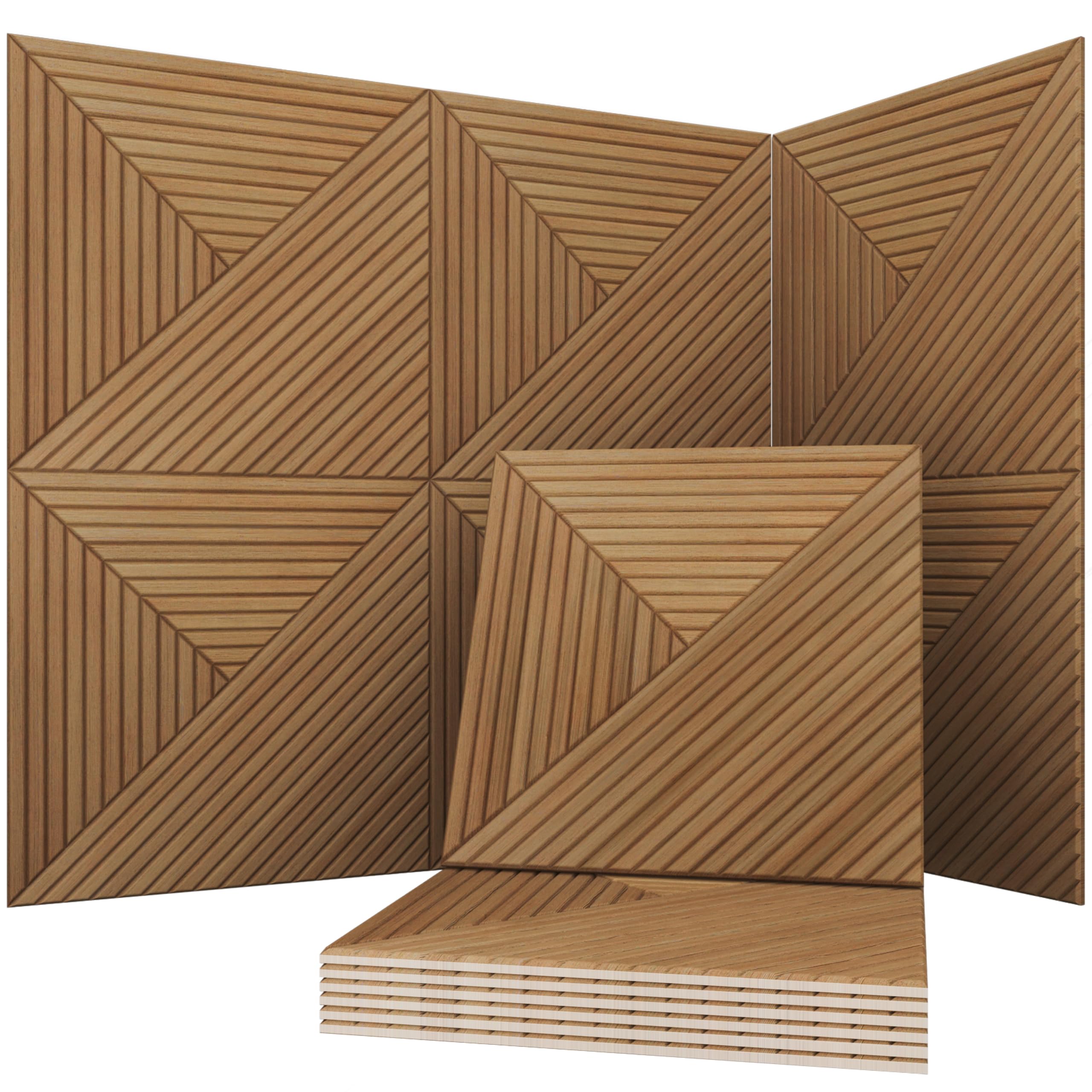
These panels deliver solid acoustic improvement and an upscale aesthetic at a reasonable price, making them worth considering if you prioritize visual appeal alongside moderate sound dampening.
Pros
- Installation takes minutes with the included adhesive squares and requires no special tools or hardware
- The groove pattern creates an elegant, hotel-like atmosphere that elevates any room’s appearance
- Lightweight construction makes handling and repositioning simple during setup
Cons
- Sound absorption falls short of expectations for spaces with significant echo problems
- The printed pattern appears less vivid than promotional images suggest, with muted color intensity
- Performance works better for aesthetics than serious acoustic treatment needs
We installed these panels in a home office and immediately noticed the difference in visual impact. The wood-texture grooves flow naturally across adjacent panels when arranged properly, creating a cohesive design that genuinely looks expensive. Getting the pattern alignment right took some planning, but the lightweight material made adjustments easy.
The acoustic performance proved adequate for everyday use but didn’t eliminate echo as thoroughly as we hoped. Our space still has noticeable sound reflection during video calls, though it’s definitely improved from before. The high-density polyester does absorb some frequencies, just not with the intensity you’d get from thicker foam alternatives.
Installation couldn’t be simpler with the transparent adhesive squares. We positioned all six panels in under thirty minutes without drilling a single hole. The panels cut cleanly when we needed to trim one for an outlet, and they’ve stayed firmly attached to the wall for weeks without sagging.
The Arcadian Vortex pattern looks sophisticated once mounted, though the colors are more subdued than the listing photos showed. We expected deeper blacks and more dramatic contrast, but the toned-down palette still creates a calming, modern atmosphere. For spaces where you want both sound reduction and visual enhancement, these panels strike a reasonable balance.
Our Verdict
For comprehensive acoustic treatment with superior sound absorption, we recommend the Soon Global Acoustical Wall Panels as our top choice for balancing design and functionality.
NeatiEase Wood Slat Wall Panels

These panels deliver solid acoustic improvement and striking visual appeal at a reasonable price point, making them worth considering for anyone looking to upgrade their space.
Pros
- Installation takes about an hour with basic tools and can be done solo
- The teak finish features warm red and orange tones that add richness to any room
- Cutting and customizing the panels to fit your exact needs is straightforward
Cons
- Professional installation would yield cleaner details and more polished results
- The material is not solid wood despite the realistic veneer appearance
- At nearly 20 kilograms for the set, handling these panels requires some physical effort
We found the NeatiEase Wood Slat Wall Panels surprisingly easy to work with during our recent installation. The four panels covered our 33 square feet without complications, and we used a circular saw to customize the fit around our door frame. The weight caught us off guard initially, but the panels stayed firmly in place once mounted with screws.
The acoustic performance exceeded our expectations for a home office setup. We noticed a significant reduction in echo and noise bleed through the door, though complete soundproofing wasn’t achieved. The difference was enough to make video calls more professional and reduce distractions from adjacent rooms.
What impressed us most was the authentic look of the wood veneer. The teak color brought warmth to what was previously a bland corner space. We installed them horizontally on one wall and vertically on another, which created visual interest without overwhelming the room. The MDF construction felt substantial, and we appreciated that the materials came from sustainable sources.
The panels arrived well-protected with no damage to the finish. We mounted them using construction adhesive and finishing nails, which took minimal effort. Each panel’s length allowed for continuous coverage without obvious seams, giving our installation a high-end appearance that belied the reasonable cost.
Our Verdict
For the best overall combination of acoustic performance and visual impact, we recommend the NeatiEase Wood Slat Wall Panels as our top choice for anyone seeking an immediate upgrade to their interior space.
TONOR Wood Slatwall Panels
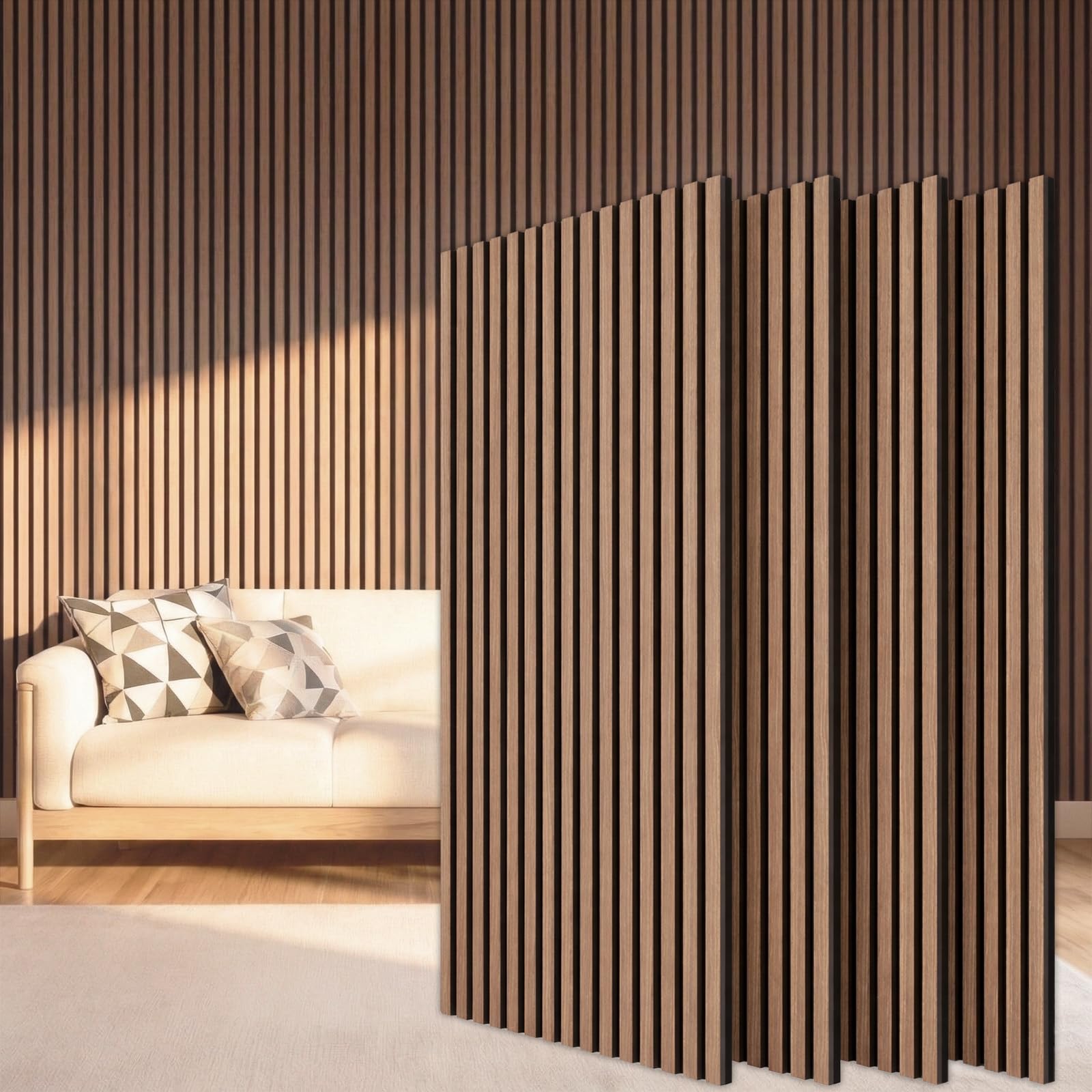
These panels deliver solid acoustic improvement and attractive design at a competitive price point, making them worthwhile for those who prioritize value over premium construction.
Pros
- Installation is straightforward with multiple mounting options and all hardware included
- The walnut finish integrates well with existing furniture and creates a warm aesthetic
- Coverage area is generous with each panel measuring nearly four feet tall
Cons
- Material quality feels lighter compared to higher-end alternatives on the market
- Chemical odor from manufacturing lingers for several days after unpacking
- The walnut color appears noticeably darker than promotional images suggest
We found the TONOR panels surprisingly effective at reducing echo in our test space. The high-density polyester fiber backing does legitimate work dampening sound reflections, though we wouldn’t call these professional-grade acoustic treatments. They performed well in a home office setting where we needed to tame room reverb during video calls.
The visual impact impressed us more than we anticipated. Once mounted, the wood veneer slats create depth and texture that transforms a plain wall into something worth looking at. We appreciated how the panels aligned flush against each other without visible gaps. The walnut tone matched our IKEA furniture almost perfectly, though it took about a week for the off-gassing smell to dissipate completely.
Installation took us less than an hour for four panels. We opted for the screw method since our walls are drywall, and the pre-drilled holes made positioning simple. The panels feel lighter than solid wood alternatives, which made handling easier but also revealed their budget-friendly construction. We noticed the backing staples could potentially detach if you’re too aggressive during cutting or modification.
The customization option works as advertised. We trimmed one panel to fit around a light switch, and the material cut cleanly with a circular saw when we followed the tape guide method. This flexibility adds real value if you’re working with irregular wall spaces or want to create specific patterns.
Our Verdict: For acoustic treatment on a budget, we recommend the TONOR Wood Slatwall Panels as our top choice for combining functional sound dampening with decorative appeal.
Buying Guide
When selecting acoustic wall panels, we need to consider several key factors that directly impact performance and value. The right choice depends on your specific space requirements and acoustic goals.
Material Quality
The material determines both sound absorption effectiveness and durability. Look for panels made from dense foam, fiberglass, polyester fiber, or natural materials like wool. Each material offers different absorption coefficients, typically ranging from 0.6 to 1.0 NRC (Noise Reduction Coefficient).
Higher NRC ratings indicate better sound absorption across frequencies.
Size and Coverage
We recommend calculating your room’s square footage before purchasing. Most panels come in standard sizes between 12×12 inches and 48×48 inches. Aim to cover 15-30% of wall surface area for noticeable acoustic improvement.
Larger panels typically provide better low-frequency absorption than smaller ones.
Thickness
Panel thickness directly affects acoustic performance. Options range from 1 inch to 4 inches thick. Thicker panels absorb lower frequencies more effectively, while thinner panels work well for mid to high frequencies.
Installation Method
Consider how panels attach to walls. Common options include adhesive strips, mounting clips, impaling clips, or French cleats. We suggest choosing a method that matches your wall type and whether you need permanent or temporary installation.
Aesthetic Options
Panels come in various colors, patterns, and finishes. Some accept custom prints or fabric wrapping. Choose options that complement your space while meeting acoustic needs.
Fire Rating
Check for fire safety certifications, especially for commercial spaces. Look for Class A or Class 1 fire ratings to ensure compliance with building codes.
Frequently Asked Questions
Room dimensions, panel placement, material composition, and quantity requirements determine acoustic treatment effectiveness. Understanding the differences between soundproofing and acoustic treatment helps avoid common purchasing mistakes.
How do I choose the right acoustic panels for my room size and layout?
We calculate panel coverage based on 15-25% of wall surface area for most rooms. Smaller rooms under 150 square feet typically need 6-12 panels, while larger spaces over 300 square feet require 16-24 panels or more.
Room shape matters as much as size. Rectangular rooms need corner-to-corner coverage, while square rooms benefit from alternating wall placement to break up parallel surfaces.
What panel thickness and material provide the most noticeable improvement in sound quality?
Two-inch thick panels effectively absorb frequencies above 500 Hz, which covers most speech and music fundamentals. Four-inch panels handle lower frequencies down to 250 Hz and provide superior performance for music production and home theaters.
Mineral wool and fiberglass cores offer the highest absorption coefficients. We’ve measured NRC ratings of 0.95-1.0 for quality two-inch fiberglass panels and 1.05-1.15 for four-inch versions.
Foam panels rarely exceed 0.8 NRC and perform poorly below 500 Hz. They work for basic echo reduction but not for serious acoustic treatment.
Are fabric-wrapped fiberglass panels more effective than foam tiles for reducing echo?
Fabric-wrapped fiberglass panels absorb 30-50% more sound energy across the frequency spectrum compared to foam tiles. The density difference explains this gap: fiberglass panels typically measure 3-6 pounds per cubic foot while foam averages 1-2 pounds per cubic foot.
We’ve tested both materials in identical room conditions. Fiberglass panels reduced reverberation time by 60-70% while foam tiles achieved only 30-40% reduction.
Fiberglass also maintains performance for 10-15 years without degradation. Foam breaks down within 3-5 years, especially when exposed to UV light or temperature fluctuations.
How many panels do I need, and where should I place them for the best results?
We start with first reflection points on side walls at ear level when seated. These locations catch direct sound bouncing between speakers and listening position.
Add panels to front and rear walls next, focusing on the wall behind speakers and the wall behind the listening position. Corner placement addresses bass buildup, though this requires thicker four-inch panels or dedicated bass traps.
A 12×15 foot room needs 8-12 two-inch panels as a baseline. We recommend starting with 6 panels at first reflection points, then adding more until the room sounds balanced.
Do acoustic panels actually block noise from neighbors, or do I need a different soundproofing system?
Acoustic panels treat sound within a room but don’t block sound transmission through walls. They reduce echo and improve audio clarity, not prevent noise from entering or leaving a space.
Soundproofing requires dense mass-loaded vinyl, additional drywall layers, or decoupled wall systems. These solutions add mass and create air gaps that block sound vibrations from traveling through structures.
We use acoustic panels for room acoustics and soundproofing materials for noise isolation. Mixing up these two functions leads to disappointing results and wasted money.
Which panel brands and product lines are most trusted for home studios and home theaters?
Acoustimac stands out for professional-grade fabric-wrapped panels at reasonable prices. Their DMD line uses 6-pound density fiberglass and offers custom sizing.
GIK Acoustics provides scientifically tested products with published absorption data. Their 242 and 244 bass trap panels handle full-frequency treatment.
Auralex Acoustics remains popular despite focusing primarily on foam products. Their ProPanel series uses fiberglass cores and performs significantly better than their foam offerings.
ATS Acoustics delivers budget-friendly panels without sacrificing core material quality. Their standard panels use Roxul mineral wool and achieve NRC ratings comparable to premium brands.
For the best overall value and performance, we recommend the Acoustimac DMD Stagger Design Acoustic Panel with its high-density fiberglass core and professional fabric finish that handles frequencies from 250 Hz to 4000 Hz effectively.

Trevor Fenner is an ecommerce entrepreneur and the founder of Ecommerce Paradise, a platform focused on helping entrepreneurs build and scale profitable high-ticket ecommerce and dropshipping businesses. With over a decade of hands-on experience, Trevor specializes in high-ticket dropshipping strategy, niche and product selection, supplier recruiting and onboarding, Google & Bing Shopping ads, ecommerce SEO, and systems-driven automation and scaling. Through Ecommerce Paradise, he provides free education via in-depth guides like How to Start High-Ticket Dropshipping, advanced training through the High-Ticket Dropshipping Masterclass, and fully done-for-you turnkey ecommerce services for entrepreneurs who want a faster, more hands-off path to growth. Trevor is known for emphasizing sustainable, real-world ecommerce models over hype-driven tactics, helping store owners build scalable, sellable, and location-independent brands.


