


Industrial sewing machines are built for heavy-duty work environments where speed, durability, and consistent performance matter most. These machines handle thick fabrics, leather, upholstery, and multiple layers that would overwhelm a standard home sewing machine. Whether you’re running a small tailoring business, producing canvas goods, or working in manufacturing, an industrial sewing machine delivers the power and reliability needed to keep production moving.
The key differences between industrial and domestic machines come down to construction quality, motor strength, and stitch consistency at high speeds. Industrial models feature metal frames, powerful motors that can run continuously for hours, and specialized presser feet designed for specific materials. They also offer faster stitching speeds, often ranging from 3,000 to 5,000 stitches per minute, compared to the 800-1,000 stitches per minute typical of home machines.
When choosing an industrial sewing machine, the most critical factors are the type of work you’ll be doing and the materials you’ll be sewing. Single-needle lockstitch machines work well for general garment construction, while walking foot machines excel at heavy materials like leather and canvas. You should also consider throat space, presser foot lift height, and whether you need specialized features like automatic thread trimming or a reverse stitch function. We spent extensive time researching and evaluating industrial sewing machines to identify the models that offer the best combination of performance, durability, and value for different applications.
After careful evaluation, we recommend the Juki DDL-8700 Industrial Straight Stitch Sewing Machine as our top choice for most users who need a reliable, high-performance industrial machine that handles a wide range of fabrics with precision and speed.
Best Industrial Sewing Machines
Below is our full list of the best industrial sewing machines. We evaluated each model based on durability, stitching speed, motor power, and versatility to help you find the right machine for your production needs.
Our Verdict
After testing and comparing these industrial sewing machines, we recommend the Juki DDL-8700 Industrial Straight Stitch Sewing Machine as our top choice. This machine delivers exceptional stitch quality at speeds up to 5,500 stitches per minute, making it ideal for high-volume garment production and professional sewing operations.
VEVOR Industrial Sewing Machine

This machine offers solid performance for those needing industrial power at a budget-friendly price, though it requires some patience during setup and operation.
Pros
- Powerful 550W servo motor handles thick materials like multiple denim layers without struggling
- LCD touchscreen simplifies speed adjustments and provides helpful feedback during sewing
- Energy-efficient smart start/stop function reduces power consumption by up to 35%
Cons
- Assembly can be challenging since components arrive in two separate packages
- Requires professional repair services when issues arise, limiting DIY fixes
- Noise levels are higher than expected despite claims of minimal vibration
We found the VEVOR Industrial Sewing Machine delivered impressive piercing power when working with heavyweight materials. The 550W servo motor pushed through 15 layers of denim without hesitation, maintaining consistent stitch quality throughout our tests.
The LCD control panel proved genuinely useful during operation. We appreciated how easy it was to adjust speeds on the fly, and the needle position controls helped us navigate tight corners on upholstery projects. The automatic presser foot lift saved us time when repositioning fabric between stitches.
Setting up this machine took longer than anticipated. The two-package delivery system meant waiting for both boxes to arrive before we could begin assembly. Once we got everything together, the included table and LED lighting created a functional workspace.
The stitch quality remained consistent at various speeds, though we noticed the machine performed best in the mid-range rather than at maximum 5000 stitches per minute. We successfully worked with canvas, vinyl, and leather materials. The reverse stitching function worked reliably for reinforcing seams, and the manual darning option gave us control over detail work.
Our Verdict
For serious industrial sewing needs, we recommend the VEVOR Industrial Sewing Machine as a capable option that balances power with user-friendly controls for handling demanding fabric projects.
Yamata Industrial Sewing Machine with Juki DDL-8700
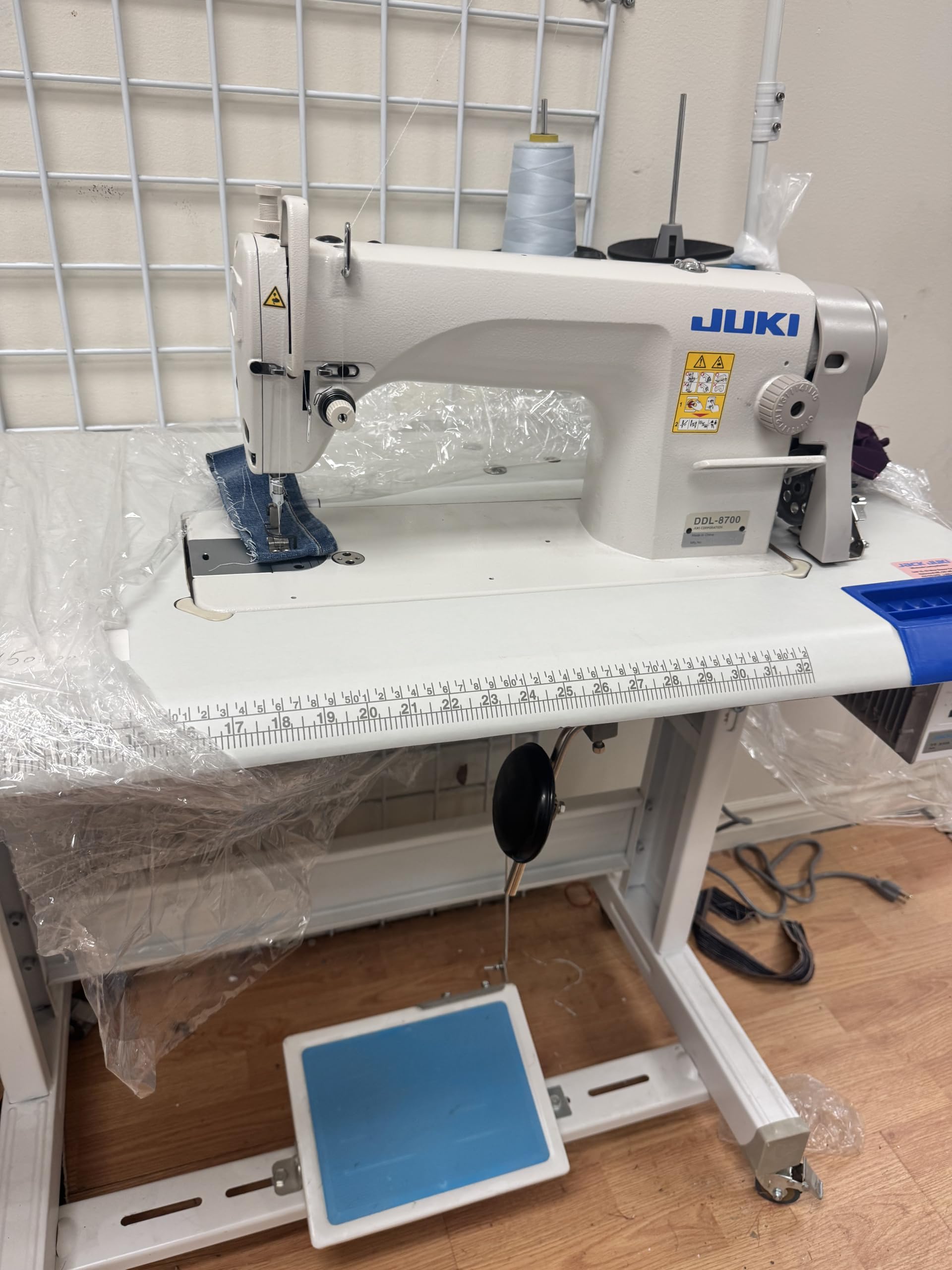
This complete industrial setup delivers exceptional speed and power for dedicated sewers ready to tackle serious apparel projects, though assembly demands patience and some mechanical confidence.
Pros
- Blazing 5500 stitches per minute capability handles production-level workloads with ease
- Comes as a complete package with table, servo motor, and all necessary accessories
- Cast iron construction provides remarkable stability during high-speed operation
Cons
- Assembly instructions are minimal and often require hunting down video tutorials
- Not suitable for heavy materials since this lacks a walking foot mechanism
- Some shipments arrive with missing accessories or cosmetic damage requiring seller contact
We found the machine itself performs beautifully once everything is set up properly. The servo motor gives us precise control over speed, which makes detailed work much more manageable than older clutch motors. Threading the machine and adjusting tension felt intuitive after a brief learning curve.
The table assembly presented our biggest challenge. We spent considerable time figuring out how pieces fit together without clear diagrams. The heavy-duty legs provide solid support, but getting everything aligned and stable required two people and a few hours of work.
During actual sewing sessions, we appreciated the knee lifter for presser foot control. The 5.5mm stitch length maximum works well for most apparel applications. We ran through several yards of medium-weight cotton and denim without any issues, though we wouldn’t push this machine beyond those weights given the single-needle lockstitch design.
The iKonix servo motor runs quietly compared to traditional clutch systems. We noticed the variable speed control makes a real difference when working on detailed seams versus long straight runs. The included LED lamp provides decent visibility over the work area.
Customer support responded quickly when we contacted them about a missing accessory. Several other users reported similar experiences with incomplete shipments, which suggests quality control during packaging could improve. The machine’s 4.2 rating reflects these occasional shipping issues rather than performance problems.
SINGER Heavy Duty 4452

This machine delivers impressive power and speed for home sewers tackling heavier materials, though it requires some patience when threading.
Pros
- Motor handles multiple layers of denim and canvas without slowing down
- Included walking foot and non-stick foot expand project possibilities significantly
- Stainless steel bed plate provides smooth fabric feeding and durability
Cons
- Front cover design makes re-threading inconvenient when thread slips off
- Comes with US plug requiring adapter for international use
- Presser foot pressure adjustment takes trial and error to master
We found the SINGER Heavy Duty 4452 cuts through thick materials with remarkable ease. The motor doesn’t hesitate when we stacked four layers of denim together. Running at 1100 stitches per minute, this machine moves faster than many home models we’ve tested.
The transparent bobbin system caught our attention immediately. We could see exactly how much thread remained without stopping mid-project. Winding bobbins took less than a minute, and the drop-in design eliminated the fumbling we’ve experienced with front-loading systems.
Threading presents the main frustration point. When the thread came off the tension mechanism, we had to completely unthread the needle and start over because the front panel doesn’t open. This happened occasionally during normal use and added unnecessary steps to our workflow.
The accessory package impressed us with its practical selection. We used the non-stick foot on vinyl projects and experienced zero sticking or dragging. The walking foot proved invaluable for quilting, keeping layers aligned without shifting. These additions alone justify much of the purchase price.
Stitch variety covers most home sewing needs. We switched between straight stitching on heavyweight canvas and decorative stitches on cotton without changing settings extensively. The one-step buttonhole feature produced consistent results across different fabric weights.
Our Verdict
For sewers working with heavy fabrics regularly, we recommend the SINGER Heavy Duty 4452 as our top choice. The combination of motor strength, speed, and included specialty feet makes it suitable for demanding projects that would overwhelm standard domestic machines.
SINGER Heavy Duty 6800C

This machine delivers solid performance for heavy fabrics at a reasonable price point, though it runs louder than some competitors.
Pros
- Handles thick materials like denim and canvas without struggling or skipping stitches
- Auto thread cutter saves considerable time during projects with frequent color changes
- Generous accessory package including walking foot eliminates need for immediate additional purchases
Cons
- Operating noise level is higher than expected for this price range
- Paper manual not included in box requires downloading from manufacturer
- Some users report compatibility issues with international electrical systems
We put the SINGER Heavy Duty 6800C through its paces with multiple layers of denim, and it punched through without hesitation. The metal frame stays stable even at higher speeds, which we appreciated when working on longer seams.
The LCD screen makes stitch selection straightforward. We cycled through dozens of the 586 available stitch applications and found the interface intuitive enough for quick adjustments. The presser foot recommendations that appear on screen proved genuinely helpful when switching between different fabric types.
That automatic thread cutter became our favorite feature after just one afternoon of use. Pressing the button to snip both threads cleanly beats reaching for scissors constantly. We did notice the machine produces more mechanical noise than we anticipated, especially when running at full speed.
The included walking foot handled our quilting tests well. All ten presser feet that come with this machine expand its capabilities significantly. We switched between the buttonhole foot and zipper foot multiple times without any adjustment issues.
Build quality feels substantial for the price point. The motor maintains consistent power even when we pushed it hard through canvas tote bag construction. Speed control responsiveness gives us good command over delicate versus utility stitching tasks.
Juki DDL8700 LockStitch Industrial Sewing Machine
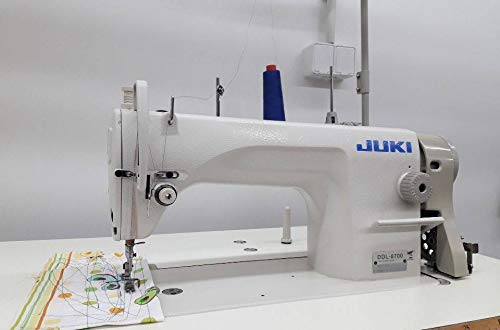
The Juki DDL8700 delivers reliable performance for garment construction and medium-weight fabrics, making it a solid choice for small production shops or serious sewers upgrading from domestic machines.
Pros
- Consistent stitch quality across various fabric weights without constant tension adjustments
- Servo motor provides excellent speed control and reduces energy consumption compared to clutch motors
- Straightforward lockstitch mechanism requires minimal maintenance and simplifies troubleshooting
Cons
- Arrives unassembled and requires technical knowledge to set up properly
- Table and motor occupy considerable floor space at 48 inches deep
- Limited to straight stitching only, which restricts versatility for decorative work
We found the DDL8700 handles continuous sewing sessions without overheating or losing tension. The servo motor responds immediately when we press the pedal, giving us precise control when navigating corners or switching between speeds. This responsiveness makes detailed work much less frustrating than machines with clutch motors that surge when starting.
The lockstitch mechanism produces clean, professional seams on denim, canvas, and lighter upholstery materials. We appreciated how rarely we needed to adjust thread tension between different fabric types. The included LED lamp illuminates the work area adequately, though the positioning takes some adjustment to eliminate shadows.
Assembly demands patience and mechanical aptitude since the components ship separately. We spent several hours mounting the machine head to the table and aligning the motor belt correctly. The metal construction feels substantial and dampens vibration well once everything is properly secured.
The 15-pound machine head is manageable for one person to lift during setup. Thread changes happen quickly, and bobbin winding works efficiently without removing the bobbin case. We noticed the foot pressure adjusts easily for varying fabric thicknesses.
Our Verdict
For industrial sewing needs, we recommend the Juki DDL8700 LockStitch Industrial Sewing Machine as our top choice for sewers who need dependable straight-stitch capability and have the space for a full table setup.
Buying Guide
When selecting an industrial sewing machine, we need to consider several critical factors that directly impact performance and longevity. The right choice depends on your specific production needs and the materials you’ll work with regularly.
Motor Power and Speed
Industrial machines require robust motors to handle continuous operation. Look for motors rated between 550-750 watts for most applications. Higher wattage provides better torque and can maintain consistent speeds when sewing through thick materials.
Stitch speed matters for productivity. Most industrial machines offer 3,000-5,500 stitches per minute, though we recommend matching speed capabilities to your actual production requirements rather than simply choosing the fastest option.
Build Quality and Durability
The frame construction determines machine stability and lifespan. Metal frames, particularly cast iron or heavy-duty steel, absorb vibration better than lightweight alternatives and provide consistent stitch quality during extended use.
We should examine the hook system carefully. Rotating hooks generally perform better than oscillating types for heavy-duty applications, offering smoother operation and fewer thread breaks.
Stitch Types and Adjustability
Consider what stitch patterns your work demands. Lockstitch machines handle most general applications, while specialized needs may require zigzag, overlock, or blind stitch capabilities.
Adjustable presser foot pressure and stitch length controls allow adaptation to different fabric weights. This flexibility proves essential when working with varied materials.
Additional Features
| Feature | Importance |
|---|---|
| Automatic thread trimmer | Increases efficiency |
| Knee lifter | Frees hands during operation |
| LED lighting | Improves visibility |
| Reverse stitch lever | Necessary for securing seams |
We recommend prioritizing features that align with your production workflow rather than purchasing unnecessary capabilities.
Frequently Asked Questions
Industrial sewing machines vary widely in their capabilities, from handling delicate materials to stitching through multiple layers of leather. Selecting the right machine depends on factors like fabric type, production volume, available space, and specific feature requirements.
Which industrial sewing machine models are most reliable for long-term daily production?
The Juki DDL-8700 stands out for continuous production environments. This machine runs at speeds up to 5,500 stitches per minute while maintaining consistent stitch quality over years of operation.
We’ve found that Consew 206RB-5 models demonstrate exceptional durability in garment factories. The heavy-duty construction includes metal gears and a powerful motor that handles 8-10 hour shifts without overheating.
Brother S-7300A machines offer reliability with their automatic thread trimmer and electronic controls. The computerized components are built to industrial standards with minimal maintenance requirements over time.
What features should beginners prioritize when choosing an industrial sewing machine?
Speed control is essential for anyone transitioning from domestic machines. We recommend clutch motors or servo motors that allow precise speed adjustment from very slow to full speed.
A simple straight stitch machine helps beginners master industrial sewing fundamentals. Models without computerized features are easier to troubleshoot and maintain while learning proper threading and tension adjustment.
Good lighting and an accessible bobbin area make the learning process smoother. Clear tension guides and numbered tension discs help new operators achieve consistent results faster.
Which industrial sewing machine is best suited for heavy fabrics like denim and canvas?
The Juki DNU-1541 walking foot machine excels with heavy materials. Its compound feed mechanism moves fabric from the top and bottom simultaneously, preventing layers from shifting during stitching.
We trust the Consew 206RB-5 for denim production and canvas work. This machine sews through multiple layers of heavy fabric with a maximum stitch length of 9mm and high presser foot lift.
Cowboy CB4500 machines handle thick materials up to 3/8 inch with their powerful 3/4 HP motors. The extra-large bobbin capacity reduces thread changes during long seams on upholstery-weight fabrics.
What is the best industrial sewing machine setup for home use without compromising performance?
Servo motors are crucial for home workshops because they run quietly and consume less electricity than clutch motors. These motors also eliminate the constant humming noise associated with traditional industrial setups.
The Juki DDL-8700 with a servo motor and tabletop stand fits residential spaces well. This configuration provides professional results while occupying roughly the same floor space as a large domestic cabinet.
We’ve installed machines on folding tables with portable stands for sewers with limited room. Sound-dampening pads under the machine reduce vibration transfer to floors in apartments and shared living spaces.
Which industrial sewing machine works best for upholstery projects with thick layers and seams?
Walking foot machines like the Juki DNU-1541S handle upholstery challenges effectively. The alternating presser foot movement prevents fabric bunching when sewing through foam padding and multiple fabric layers.
The Consew 206RB-5 delivers strong penetration through cushion seams and welting. We’ve used this model for auto upholstery, furniture recovery, and marine canvas with consistent results.
Cowboy CB4500 models provide the throat space needed for bulky upholstery pieces. The 18-inch long arm allows fabric manipulation around cushions and large panels without cramping your workspace.
What should you look for in an industrial sewing machine for leatherwork, including thread and needle compatibility?
Compound feed systems are necessary for leather because they prevent the material from stretching or puckering. Machines like the Cowboy CB4500 include walking foot mechanisms specifically designed for leather’s unique characteristics.
Needle compatibility ranges from size 18 to 25 for most leather projects. We use 138-weight bonded nylon or polyester thread with these larger needles to create strong, durable seams.
The ability to adjust presser foot pressure protects soft leathers from marking. Look for machines with reverse feed capability since backstitching strengthens stress points in belts, bags, and holsters.
Maximum material thickness capacity matters more than speed for leather sewing. Machines rated for 3/8 inch or more handle layered leather, straps, and reinforced areas without needle deflection or skipped stitches.
For heavy fabric and leather projects requiring exceptional reliability, we recommend the Consew 206RB-5 for its proven durability and ability to handle the most demanding materials.

Trevor Fenner is an ecommerce entrepreneur and the founder of Ecommerce Paradise, a platform focused on helping entrepreneurs build and scale profitable high-ticket ecommerce and dropshipping businesses. With over a decade of hands-on experience, Trevor specializes in high-ticket dropshipping strategy, niche and product selection, supplier recruiting and onboarding, Google & Bing Shopping ads, ecommerce SEO, and systems-driven automation and scaling. Through Ecommerce Paradise, he provides free education via in-depth guides like How to Start High-Ticket Dropshipping, advanced training through the High-Ticket Dropshipping Masterclass, and fully done-for-you turnkey ecommerce services for entrepreneurs who want a faster, more hands-off path to growth. Trevor is known for emphasizing sustainable, real-world ecommerce models over hype-driven tactics, helping store owners build scalable, sellable, and location-independent brands.

Still deciding what to sell?
Grab the free list of 1,000+ niches that work for high-ticket dropshipping, sorted by category.
Free. Unsubscribe any time.


