

Email Service Providers Explained for E-Commerce Store Owners
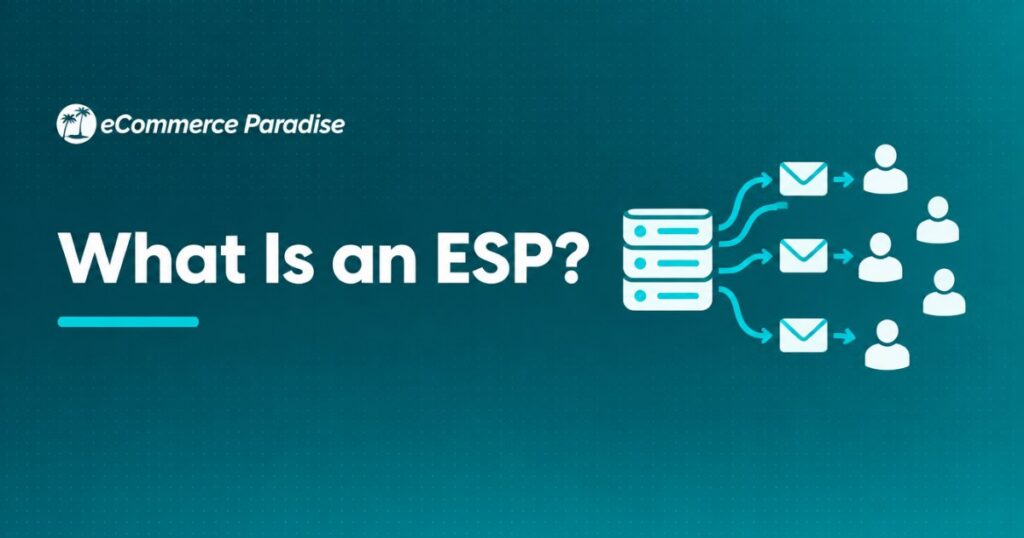
If you have been researching email marketing for your online store, you have probably come across the term ESP and wondered what exactly it means. An ESP, or Email Service Provider, is the software platform that allows you to collect email addresses, create and send email campaigns, build automated email sequences, and track the results of everything you send. It is the engine behind every email marketing strategy.
Think of an ESP like the foundation of a house. You can have the best email copy, the most beautiful templates, and a massive subscriber list, but without a solid ESP underneath it all, nothing works. I have been building high-ticket dropshipping stores for over 15 years, and choosing the right ESP is one of the first decisions I make when launching any new store. It is that important.
In this article, I am going to break down exactly what an ESP does, why it matters for e-commerce specifically, and how to choose the right one for your store. Whether you are just starting out or looking to switch platforms, this guide from E-Commerce Paradise will give you the knowledge you need to make a smart decision.
What Does an ESP Actually Do?
An email service provider handles all the technical and operational aspects of sending marketing emails at scale. You could technically send emails from your personal Gmail account, but once you have more than a handful of subscribers, that approach falls apart fast. Here are the core functions every ESP provides.
Subscriber List Management
Your ESP stores all of your email subscriber data in one place. This includes email addresses, names, purchase history, signup dates, engagement metrics, and any custom data you want to track. Good ESPs let you organize subscribers into segments based on this data, so you can send targeted messages to specific groups rather than blasting your entire list with the same generic email.
For e-commerce stores, this subscriber data is gold. Knowing which customers bought in the last 30 days versus which ones have not purchased in 6 months lets you send completely different messages to each group. If you want to understand more about how this works, check out our guide on email segmentation for e-commerce.
Email Campaign Creation and Sending
ESPs give you tools to design, write, and send email campaigns. Most modern ESPs include drag-and-drop email builders so you do not need to know HTML or coding to create professional-looking emails. You can add product images, buttons, text blocks, and dynamic content that changes based on who is receiving the email.
The sending infrastructure is really where ESPs earn their money. Sending thousands of emails reliably without hitting spam filters requires sophisticated technology. ESPs maintain relationships with internet service providers, manage IP reputation, handle bounce processing, and ensure your emails actually land in the inbox rather than the spam folder.
Marketing Automation
This is where ESPs become really really powerful for e-commerce stores. Automation lets you set up email sequences that trigger based on specific customer actions. Someone abandons their cart? An automated email goes out 30 minutes later. A new subscriber joins your list? A welcome email series starts automatically. A customer has not purchased in 90 days? A winback campaign fires to re-engage them.
For a deeper dive into how automation works, read our article on email automation for e-commerce stores.
Analytics and Reporting
Every ESP tracks key metrics for your email campaigns. Open rates tell you how many people actually read your emails. Click rates show how many people clicked on links in your emails. Conversion tracking tells you how much revenue each email generated. Unsubscribe rates help you monitor list health. These numbers are critical for understanding what is working and what needs to change.
Why E-Commerce Stores Need a Specialized ESP
Not all ESPs are created equal, and this is something a lot of new store owners do not realize. There are general-purpose ESPs designed for bloggers, newsletters, and basic email marketing. Then there are e-commerce-focused ESPs built specifically to integrate with online stores and drive product sales. The difference is massive.
An e-commerce ESP integrates directly with your store platform, whether that is Shopify, WooCommerce, BigCommerce, or something else. This integration pulls in product data, purchase history, browsing behavior, and cart information in real time. That data powers everything from personalized product recommendations in your emails to automated abandoned cart recovery.
General-purpose ESPs often lack these deep integrations. You can still use them, but you will spend a lot of time manually connecting data sources and building workarounds for features that e-commerce ESPs include out of the box. When you are trying to scale a store and every hour counts, using the right tool for the job saves you a ton of time and frustration.
According to Shopify’s email marketing best practices guide, stores that use e-commerce-specific email platforms see 29% higher revenue per email compared to those using general-purpose tools. That is a significant difference that compounds over time.
Key Features to Look for in an E-Commerce ESP
Store Platform Integration
The most important feature is seamless integration with your e-commerce platform. For Shopify store owners, which is what I recommend for high-ticket dropshipping niches, you want an ESP that syncs product catalogs, tracks browsing behavior, imports purchase history, and enables one-click product insertion into emails. The best integrations work in real time, meaning a customer’s activity on your store instantly updates their profile in your ESP.
Pre-Built E-Commerce Flows
Look for an ESP that comes with pre-built automation flows designed for e-commerce. These should include at minimum a welcome series, abandoned cart sequence, post-purchase follow-up, browse abandonment, and winback campaign. Building these from scratch takes hours. Having templates that you can customize and launch quickly saves a massive amount of time.
Dynamic Product Content
Your ESP should let you insert dynamic product blocks into emails. This means the email automatically shows products based on what each individual subscriber has browsed, purchased, or shown interest in. Instead of manually picking which products to feature, the ESP does it for you based on real customer data.
Revenue Attribution
You need to know exactly how much money your email marketing generates. A good e-commerce ESP attributes revenue to specific emails, flows, and campaigns. This lets you see that your abandoned cart flow generated $12,000 last month, your welcome series brought in $3,500, and your weekly broadcast drove $8,000 in sales. Without this data, you are flying blind.
Deliverability Tools
The best ESP in the world is useless if your emails land in spam folders. Look for ESPs that provide deliverability monitoring, spam testing, and tools to help you maintain a strong sender reputation. Understanding email deliverability is critical for maximizing your email revenue.
SMS Marketing Integration
In 2026, the best e-commerce ESPs also offer built-in SMS marketing capabilities. Being able to manage both email and SMS from a single platform simplifies your workflow and lets you create coordinated multi-channel campaigns. A customer who does not open your email about a flash sale might respond to a text message instead.
Top ESPs for E-Commerce Stores in 2026
I have personally used or evaluated dozens of ESPs over the years, and here are the platforms I recommend for e-commerce store owners. Each one has different strengths depending on your budget, store size, and technical needs.
Klaviyo
Klaviyo is my number one recommendation for Shopify store owners, and it is what I use for my own stores and set up for all of my turnkey done-for-you clients. The Shopify integration is the deepest in the industry, the predictive analytics are incredible, and the pre-built e-commerce flows are ready to go out of the box. Pricing starts free for up to 250 contacts and scales based on your list size. For a store doing $10,000 or more per month in revenue, Klaviyo typically pays for itself many times over.
Omnisend
Omnisend is an excellent alternative that combines email and SMS marketing in one platform. The pricing is competitive, the automation workflows are strong, and the e-commerce features cover everything most store owners need. If you want to run email and SMS campaigns from a single dashboard without paying for two separate tools, Omnisend is a great choice.
ActiveCampaign
ActiveCampaign is the most powerful automation platform on this list. If you need complex, multi-step automation sequences with advanced conditional logic, ActiveCampaign is hard to beat. The e-commerce integrations are solid, though not quite as deep as Klaviyo’s Shopify integration. It is a great choice for store owners who sell across multiple channels and need sophisticated workflow automation.
Mailchimp
Mailchimp is the most well-known ESP, and for good reason. It offers a generous free plan, an intuitive interface, and decent e-commerce features. However, for serious e-commerce stores, Mailchimp often falls short compared to purpose-built platforms like Klaviyo or Omnisend. It is a fine starting point for brand new stores with tiny budgets, but most store owners outgrow it as they scale.
GetResponse
GetResponse offers a solid combination of email marketing, landing pages, and webinar hosting in one platform. For store owners who create a lot of content and run webinars as part of their marketing strategy, GetResponse provides good value. The e-commerce automation features have improved significantly in recent years.
For a complete comparison of all the options, check out our detailed guide to the best email marketing platforms for e-commerce.
How to Choose the Right ESP for Your Store
Consider Your Store Platform
Your e-commerce platform is the single biggest factor in choosing an ESP. If you are on Shopify, Klaviyo and Omnisend offer the best integrations. If you are on WooCommerce, ActiveCampaign and Mailchimp integrate well. Always check the specific integration capabilities before committing to an ESP, because a weak integration means manual work and missed data.
Evaluate Your Budget
ESP pricing is almost always based on the number of subscribers on your list. A store with 500 subscribers will pay $20 to $50 per month on most platforms. A store with 10,000 subscribers will pay $100 to $300 per month. A store with 50,000 subscribers can pay $500 to $1,500 per month. Always project your costs at different list sizes so you are not surprised as your list grows.
Keep in mind that a more expensive ESP that generates more revenue is not actually more expensive. If Klaviyo costs you $150 per month but generates $15,000 in email revenue, while a free tool generates $3,000, the paid option is clearly the better investment. Always think about ROI, not just the monthly fee.
Assess Your Technical Comfort Level
Some ESPs are more technical than others. Platforms like ActiveCampaign and Drip offer incredible power but have steeper learning curves. If you are not particularly technical, look for platforms with intuitive interfaces, drag-and-drop builders, and strong customer support. Klaviyo and Omnisend both strike a good balance between power and usability.
Think About Growth
Choose an ESP that can grow with your business. Starting on a free plan and then migrating to a different platform later is a pain in the butt. Trust me, I have done it, and it is not fun. The migration process can be complex, and you risk losing subscriber engagement data and disrupting your automated flows. If you can, pick the platform you want to be on long-term from the start.
If the idea of evaluating all these platforms feels overwhelming, that is totally normal. The coaching program at E-Commerce Paradise includes ESP selection and setup guidance so you do not have to figure it out alone.
How ESPs Handle Email Deliverability
One of the most important things an ESP does behind the scenes is manage your email deliverability. This is the technical side that most store owners never think about, but it directly impacts whether your emails reach the inbox or get filtered into spam.
ESPs maintain large pools of IP addresses that they use to send emails on behalf of their customers. They actively monitor these IPs for blacklisting, manage sending reputation, and work with email providers like Gmail, Yahoo, and Outlook to ensure their sending infrastructure is trusted. According to Validity’s email deliverability research, the average inbox placement rate across all industries is around 85%, meaning 15% of legitimate marketing emails never reach the inbox.
Better ESPs invest more in deliverability infrastructure. They offer dedicated IP addresses for high-volume senders, provide authentication tools for DKIM, SPF, and DMARC setup, and include deliverability dashboards that show you exactly where your emails are landing. This is one reason why cheaper ESPs sometimes have lower deliverability rates. You get what you pay for when it comes to inbox placement.
If you want to understand the technical details of email authentication, read our article on improving email deliverability for e-commerce stores.
ESP Pricing Models Explained
Understanding how ESPs charge is important because the wrong pricing model can cost you a lot of money as your store grows. There are three main pricing models in the industry.
Subscriber-Based Pricing
Most e-commerce ESPs, including Klaviyo and Mailchimp, charge based on the number of subscribers on your list. You pay a monthly fee that increases as your list grows. The advantage is predictable costs. The downside is that you pay for inactive subscribers who never open your emails unless you regularly clean your list.
Email-Volume-Based Pricing
Some ESPs, like Brevo, charge based on the number of emails you send rather than how many subscribers you have. This can be cheaper for stores with large lists but low sending frequency. It can also be more expensive for stores that send daily emails to highly engaged lists. Do the math for your specific situation.
Hybrid Pricing
Some platforms combine subscriber counts with email limits. You might pay $50 per month for 5,000 subscribers and 50,000 monthly emails. Going over either limit incurs additional charges. Always read the fine print on these plans to understand exactly what you are paying for.
For most e-commerce stores doing under $50,000 per month in revenue, expect to spend $50 to $300 per month on your ESP. That investment should generate 10x to 30x returns in email-attributed revenue if your strategy is solid.
Common ESP Mistakes E-Commerce Store Owners Make
Choosing Based on Price Alone
The cheapest ESP is rarely the best choice for e-commerce. A free or $10 per month tool that lacks proper e-commerce integration, automation capabilities, and deliverability infrastructure will cost you far more in lost revenue than a $100 per month platform that drives serious sales. Invest in the tool that makes you money, not the one that saves you $50 per month.
Not Using Automation
This is the biggest missed opportunity I see. Store owners sign up for a powerful ESP and then only use it to send occasional promotional broadcasts. The real money in e-commerce email marketing comes from automated flows that run 24/7. If you are not using your ESP’s automation features, you are wasting most of what you are paying for.
Ignoring List Hygiene
Every ESP lets you manage your subscriber list, but most store owners never clean their lists. Keeping thousands of inactive, unengaged subscribers on your list hurts your deliverability scores, costs you money on subscriber-based pricing plans, and drags down your open and click rates. Use tools like ZeroBounce to verify your list regularly and remove dead weight.
Switching ESPs Too Often
Every time you migrate to a new ESP, you risk losing data, breaking automations, and temporarily hurting your deliverability. Some store owners chase every new feature or lower price and end up migrating every year. Pick a solid platform, commit to it, and learn it deeply rather than constantly starting over.
Setting Up Your ESP for E-Commerce Success
Once you have chosen your ESP, the setup process matters a lot. Here is the order I recommend for getting everything configured properly.
First, connect your store platform integration. This is the foundation everything else builds on. Make sure product data, customer data, and order data are flowing into your ESP correctly. Test the integration by making a test purchase and confirming the data shows up.
Second, set up your email authentication. Configure DKIM, SPF, and DMARC records in your domain’s DNS settings. Your ESP will provide the specific records you need. This step is critical for deliverability and should not be skipped.
Third, create your core automated flows. Start with a welcome series, abandoned cart sequence, and post-purchase follow-up. These three flows alone can generate significant revenue from day one. You can add more sophisticated flows like browse abandonment and winback campaigns later.
Fourth, import your existing subscriber list if you have one. Clean the list first using an email verification service to remove invalid addresses. Sending to a dirty list from a new ESP is the fastest way to damage your sender reputation.
Fifth, design your email templates. Create reusable templates that match your store’s branding so you can quickly create campaigns without starting from scratch every time.
If all of this sounds like a lot of work, it is. But it is work that pays for itself many times over. If you want help getting your email marketing set up right from the start, the management service at E-Commerce Paradise handles all of this for you. Or if you want to learn the ins and outs yourself, join the community where we walk through ESP setup step by step.
The Future of ESPs in E-Commerce
ESPs are evolving fast, and the platforms available in 2026 are dramatically more capable than what existed even a few years ago. Here are the trends I am seeing that matter for e-commerce store owners.
AI-powered personalization is becoming standard. ESPs are using machine learning to predict which products each subscriber is most likely to buy, the best time to send emails to individual contacts, and even the subject lines most likely to get opens. According to McKinsey’s research on personalization, companies that excel at personalization generate 40% more revenue from those activities than average performers.
Multi-channel capabilities are expanding. The line between ESP and marketing platform is blurring. Modern ESPs handle email, SMS, push notifications, and even direct mail from a single platform. For e-commerce store owners, this means you can coordinate your messaging across all channels without juggling multiple tools.
Predictive analytics are getting better. ESPs can now tell you which subscribers are at risk of churning, which customers are likely to make a purchase in the next 7 days, and what the predicted lifetime value of each subscriber is. This data lets you allocate your marketing spend more intelligently.
Final Thoughts on Choosing Your ESP
Your ESP is one of the most important tools in your e-commerce marketing stack. It is the platform that turns your email subscriber list into revenue, and for most stores, email becomes the highest-ROI marketing channel once it is set up properly. Do not rush this decision, but also do not overthink it to the point of paralysis.
If you are on Shopify and just getting started, go with Klaviyo or Omnisend. If you need advanced automation and sell across multiple platforms, look at ActiveCampaign. If budget is your primary concern, MailerLite offers great value for smaller stores.
The most important thing is to actually get started. An imperfect ESP that you are actively using beats a perfect ESP that you are still researching. Get your core flows set up, start building your list, and optimize as you go. For more guidance on building your entire high-ticket dropshipping business, explore the resources at E-Commerce Paradise. And if you want to connect the foundation of your email marketing with the legal and financial side of your business, make sure you review the business formation checklist to get everything set up right. Join the Patreon masterclass for the full walkthrough and direct access to me. I wish you guys the best of luck out there.

Trevor Fenner is an ecommerce entrepreneur and the founder of Ecommerce Paradise, a platform focused on helping entrepreneurs build and scale profitable high-ticket ecommerce and dropshipping businesses. With over a decade of hands-on experience, Trevor specializes in high-ticket dropshipping strategy, niche and product selection, supplier recruiting and onboarding, Google & Bing Shopping ads, ecommerce SEO, and systems-driven automation and scaling. Through Ecommerce Paradise, he provides free education via in-depth guides like How to Start High-Ticket Dropshipping, advanced training through the High-Ticket Dropshipping Masterclass, and fully done-for-you turnkey ecommerce services for entrepreneurs who want a faster, more hands-off path to growth. Trevor is known for emphasizing sustainable, real-world ecommerce models over hype-driven tactics, helping store owners build scalable, sellable, and location-independent brands.


