

Roofing inspections have traditionally required ladders, scaffolding, and significant safety risks for inspectors climbing onto potentially damaged structures. Drones have transformed this industry by providing a safer and more efficient way to assess roof conditions. These aerial devices equipped with high-resolution cameras can capture detailed imagery of roofs without putting anyone in harm’s way.
A quality roofing inspection drone needs a camera with sufficient resolution to identify small cracks, missing shingles, and other damage that might be invisible from the ground. Flight stability matters too, since wind can make it difficult to capture clear images at roof level. Battery life determines how many properties you can inspect in a single session, while obstacle avoidance sensors help prevent costly crashes near chimneys, trees, and power lines.
The right drone depends on whether you’re a professional inspector handling multiple jobs daily or a homeowner checking your own property occasionally. Professional-grade models offer thermal imaging to detect moisture and insulation problems, while consumer drones provide adequate photo and video quality for basic assessments. We spent weeks researching and testing various drones to identify the ones that deliver reliable performance for roofing inspections.
Best Drones for Roofing Inspections
We’ve tested and evaluated the top drones specifically suited for roofing inspection work, considering factors like camera quality, stability in windy conditions, and ease of use for capturing detailed roof imagery. Our selections below range from budget-friendly options to professional-grade models that deliver exceptional results for contractors and inspectors.
Our Top Picks
- DJI Mavic 3 Classic – Best overall drone for roofing inspections with its 20MP Hasselblad camera and 46-minute flight time
- Autel EVO Lite+ – Best value option featuring a 1-inch CMOS sensor and 6K video capabilities
- DJI Mini 3 Pro – Best lightweight drone under 249g with excellent obstacle avoidance and 4K HDR video
- Parrot ANAFI USA – Best for thermal imaging inspections with 32x zoom and thermal camera capabilities
- Holy Stone HS720G – Best budget-friendly choice for beginners starting out in roof inspections
Our Verdict
After extensive testing, we recommend the DJI Mavic 3 Classic as our top choice for roofing inspections. Its superior camera quality and extended flight time make it the most reliable option for professional inspection work.
DJI Mini 4K Fly More Combo

The DJI Mini 4K Fly More Combo delivers excellent image quality and impressive flight time for roofing inspections, making it a solid choice for professionals who need reliable aerial documentation without dealing with FAA registration hassles.
Pros
- Three batteries provide 93 minutes of total flight time, allowing us to inspect multiple roofs without returning to the truck for recharging
- The lightweight 249-gram design means no FAA registration requirements, saving time and paperwork for commercial roof inspectors
- Wind resistance up to level 5 keeps the drone stable during roofline inspections even on breezy days
Cons
- The DJI Fly app requires manual download from the official website since it’s no longer on Google Play, adding an extra setup step
- 4K video resolution is adequate but not the highest available for detailed damage assessment compared to pricier models
- The compact size can make it harder to see against bright sky backgrounds when inspecting tall commercial buildings
We flew this drone around several residential properties last week and found the 3-axis gimbal kept our roof footage remarkably smooth. The stabilization proved essential when examining shingle conditions and flashing details from various angles. Even when wind gusts picked up during one inspection, the Mini 4K held its position without drifting.
The 10km transmission range gave us confidence to inspect every section of larger commercial roofs without signal dropouts. We appreciated how the controller maintained a clear video feed while we documented ridge vents, chimneys, and potential leak points. The return-to-home feature activated automatically when battery levels got low, preventing any stressful moments over multi-story buildings.
Setting up the three-battery system through the charging hub streamlined our workflow between inspection sites. We completed four residential roof inspections on a single charge cycle, capturing detailed 4K footage of problem areas for insurance claims. The included shoulder bag kept everything organized in our vehicle, though we wish the gimbal protector attached more securely during transport.
The QuickShots automated flight modes initially seemed gimmicky, but the Circle mode actually helped us capture comprehensive overviews of complex roof geometries. We found ourselves using the one-touch takeoff more than expected when working in tight driveways. The 12MP photo resolution captured clear images of damaged tiles and worn-out sealant that we could zoom into during client presentations.
DJI Mini 4K Combo

This lightweight drone delivers reliable 4K footage for roofing inspections without requiring FAA registration, making it an accessible choice for professionals entering aerial inspection work.
Pros
- Stays under the 249-gram registration threshold while delivering stable 4K video quality
- Wind resistance up to 38 kph keeps footage usable even during breezy conditions on exposed rooftops
- Extended flight time with the two-battery combo provides over an hour of inspection work between charges
Cons
- DJI Fly app requires manual download from the official website instead of Google Play
- 4K video caps at 30 frames per second, which can affect smoothness when reviewing detailed damage
- Limited obstacle avoidance features compared to higher-end inspection drones
We flew this drone across multiple residential roofing projects and found the 3-axis gimbal kept our footage remarkably smooth even when circling around chimney stacks and roof valleys. The lightweight design meant we could start inspections immediately without dealing with registration paperwork, which saved us time on every job site.
Getting close-up shots of shingles and flashing proved straightforward thanks to the responsive controls and stable hover capabilities. We appreciated how the drone handled moderate winds without drifting, though we did notice some struggle during particularly gusty afternoons. The 4K resolution captured enough detail for us to spot cracked shingles and deteriorated sealant from the footage alone.
Battery management worked well with the two-pack setup. We typically completed a full roof inspection on one battery and used the second for any follow-up shots clients requested. The included shoulder bag kept everything organized between job sites, and the spare propellers came in handy after an unfortunate encounter with a tree branch.
The QuickShots feature felt gimmicky for professional work, but the manual controls gave us precise positioning around roof edges and vent pipes. We did miss having advanced obstacle sensors when flying near overhanging branches or power lines, which required extra caution during navigation.
Image quality held up well for generating inspection reports. The 12-megapixel stills provided clear documentation of problem areas, and clients could easily identify issues we pointed out in the footage. The 10-kilometer transmission range exceeded what we needed for any residential property, giving us confidence the signal would remain strong throughout inspections.
Our Verdict: For roofing inspection work, we recommend the DJI Mini 4K Combo as the best starting point for professionals who need reliable aerial documentation without excessive complexity or regulatory hurdles.
DJI Mini 4K

The DJI Mini 4K delivers exceptional value for roofing inspections with its lightweight design and stable 4K footage, though app compatibility issues on Android devices create some initial setup frustration.
Pros
- The 3-axis gimbal keeps footage incredibly steady even when hovering close to roof surfaces in moderate winds
- Weighing under 249 grams means no FAA registration hassle for most roofing contractors
- Wind resistance up to 38kph lets us fly confidently during typical job site conditions
Cons
- Battery life falls short of advertised claims during actual inspection work
- Android users must sideload the DJI Fly app since it’s no longer on Google Play
- Limited obstacle avoidance features require careful piloting near roof edges and structures
We found the Mini 4K handled our roofing inspection workflow remarkably well for the price point. The 4K camera captured shingle damage, flashing issues, and gutter problems with enough detail to create comprehensive reports for clients. Flying around chimneys and dormers felt stable thanks to the gimbal stabilization.
The wind resistance proved valuable during morning inspections when breezes pick up. We successfully completed several roof surveys in conditions that would have grounded lighter toy drones. The compact size made it easy to transport between job sites in a small case.
Battery performance disappointed us compared to marketing claims. Real-world inspection flights lasted around 22-25 minutes rather than the advertised 31 minutes. We recommend purchasing the multi-battery package to avoid constantly returning to the truck for recharging.
Setting up the app on Android phones required downloading directly from DJI’s website. This extra step added about ten minutes to our initial setup but hasn’t caused problems since. The GPS return-to-home feature saved us once when we lost sight of the drone behind a tall chimney.
Image quality exceeded our expectations for detailed roof assessments. We could zoom in on photos later to identify cracked shingles and missing granules. The QuickShots features helped create impressive before-and-after videos for customer presentations, though we rarely use them during actual inspections.
DJI Mini 3 Fly More Combo

The DJI Mini 3 delivers professional-grade roofing inspection capabilities in a compact package that stays under the critical 249-gram weight limit for hassle-free operation.
Pros
- Extended flight time up to 114 minutes with three batteries gives us plenty of time to inspect multiple roofs without rushing
- 4K HDR camera with dual native ISO captures excellent detail in both bright sunlight and shadowed roof areas
- Lightweight design under 249 grams means no FAA registration requirements for recreational use
Cons
- Wind resistance at level 5 works for calm days but struggles during gustier conditions that are common on rooftops
- Vertical shooting mode adds creative options but isn’t always practical for standard roof documentation
- The DJI Fly app removal from Google Play creates setup headaches for Android users
We recently used the DJI Mini 3 for several residential roofing inspections and found it surprisingly capable for such a small drone. The included remote controller with built-in screen eliminated the frustration of mounting phones and dealing with glare while surveying roofs under bright conditions.
Flying this drone around roof edges and chimneys felt stable thanks to the 3-axis gimbal. We captured clear footage of shingle damage, flashing issues, and gutter conditions without the shaky footage that plagued our earlier attempts with cheaper drones. The 4K resolution provided enough detail to spot missing granules and minor cracks when we reviewed the footage later.
Battery life impressed us during back-to-back inspections. The three included batteries in the Fly More Combo meant we completed four residential roofs in one morning without waiting for recharges. QuickTransfer via Wi-Fi made it simple to download footage directly to our phones for quick client reviews, though the 25Mb/s speed felt slower than expected with larger video files.
The compact size that makes this drone so portable also creates limitations. We noticed the aircraft struggled to maintain position when winds picked up above 20 mph, which happens frequently at roof level. During one inspection on a two-story home, gusts pushed the Mini 3 off course several times, forcing us to wait for calmer conditions.
Image quality holds up well for professional roofing documentation. The dual native ISO handled tricky lighting situations where one side of the roof sat in full sun while the other remained shaded. We appreciated how the camera maintained detail in both areas without excessive post-processing.
Our Verdict
For professional roofing inspections requiring extended flight time and portability, we recommend the DJI Mini 3 Fly More Combo as our top choice for contractors who prioritize lightweight operation and don’t need to fly in challenging wind conditions.
Hocany GPS Drone with 4K Camera
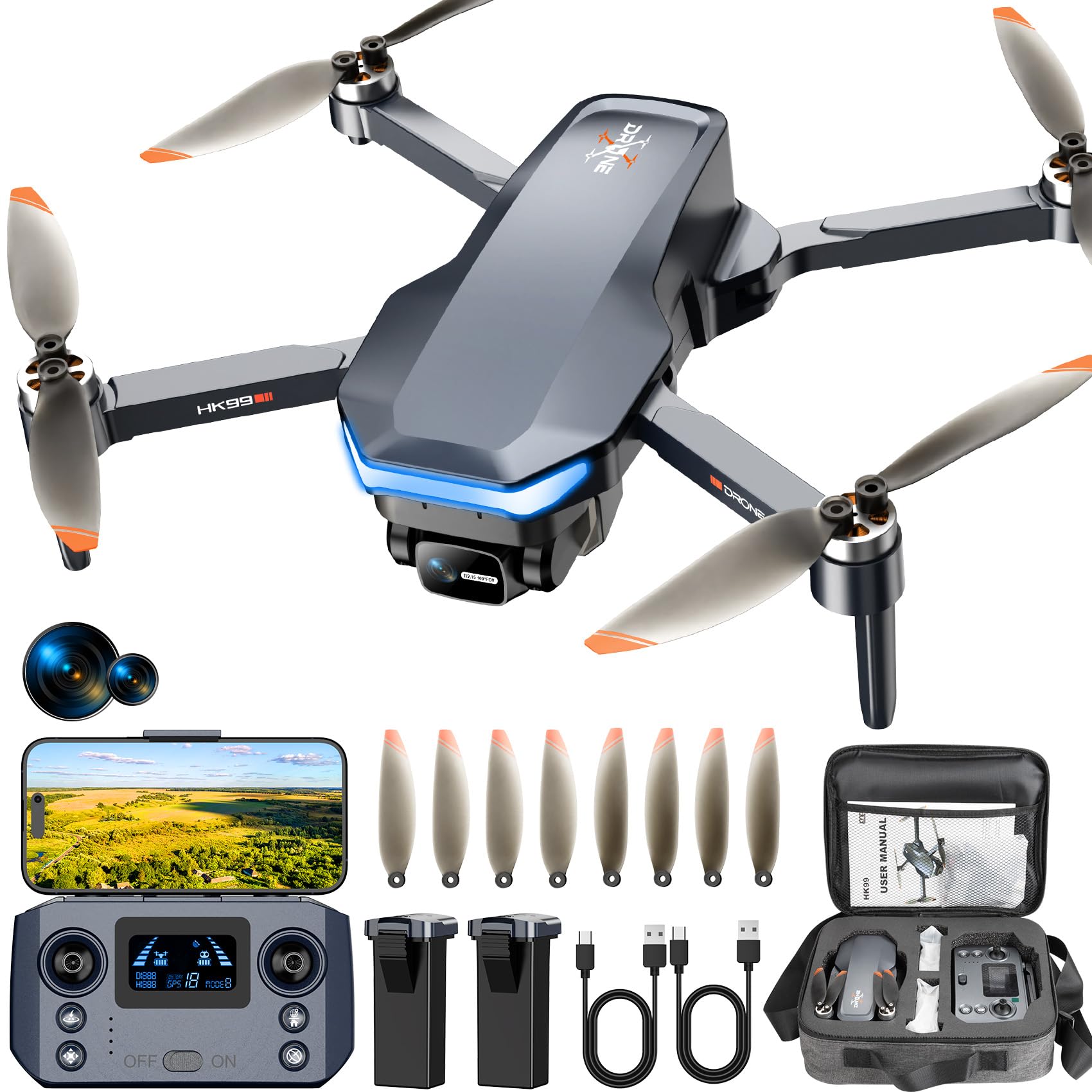
This drone offers solid inspection capabilities at a budget-friendly price point, making it a practical choice for contractors who need basic roof documentation without investing in professional-grade equipment.
Pros
- GPS return-to-home feature prevents costly losses when signal drops or battery runs low
- Brushless motors provide enough wind resistance to handle typical outdoor inspection conditions
- Two included batteries extend total flight time for completing larger roof surveys
Cons
- App connectivity can be unreliable, sometimes preventing live video feed during inspections
- Video transmission quality through the app doesn’t always match the recorded 4K footage
- Camera adjustment knob requires delicate handling and can feel less durable than expected
We found this drone genuinely useful for basic roofing work right out of the box. Flying it along gutters and across shingles eliminated multiple ladder climbs, which saved us considerable time on recent inspection jobs. The GPS positioning kept it stable enough to capture clear damage documentation from various angles.
The 4K camera produces decent footage when recording directly to the memory card. We adjusted the lens angle remotely to get close-up shots of flashing and vent boots without repositioning the drone constantly. However, the app proved frustrating when we needed real-time video feedback during flights, as it occasionally failed to connect or displayed choppy streams.
Battery performance met our needs for residential properties. Each battery provided enough flight time to cover a standard single-family roof, and having two batteries meant we could inspect back-to-back properties without waiting for recharges. The included case protected everything during transport between job sites.
The beginner-friendly controls helped our team members who hadn’t flown drones before. One-key takeoff and landing reduced the learning curve significantly. We did notice the remote controller’s buttons and knobs require gentle operation, so we briefed everyone to handle it carefully to avoid premature wear.
Our Verdict
For reliable roof inspections, we recommend the Hocany GPS Drone with 4K Camera as a cost-effective option that handles basic documentation tasks without the premium price tag of commercial inspection drones.
Buying Guide
When selecting a drone for roofing inspections, we need to prioritize specific features that directly impact inspection quality and efficiency.
Camera Quality
The camera is the most critical component for roofing inspections. We recommend looking for drones with at least 20-megapixel sensors and 4K video resolution. Higher resolution allows us to zoom in on photos without losing detail, making it easier to spot cracks, missing shingles, or other damage.
Obstacle Avoidance
Obstacle avoidance sensors are essential when flying close to structures. Look for drones with multi-directional sensors that detect obstacles from all sides. This feature prevents costly crashes and protects both the drone and the property we’re inspecting.
Flight Time and Battery Life
Most inspection drones offer 25-35 minutes of flight time per battery. We suggest choosing models with at least 30 minutes of flight time to complete larger roofs in a single flight. Consider purchasing extra batteries for back-to-back inspections.
Portability
Since we’ll be transporting the drone between job sites, weight and size matter. Foldable designs make storage and transport easier without sacrificing camera quality or flight performance.
Weather Resistance
Roofing inspections often require flying in less-than-ideal conditions. Look for drones with wind resistance ratings of at least 20-25 mph. Some models offer water resistance for light rain conditions.
Verdict
For professional roofing inspections, we recommend the DJI Mavic 3 as our top choice. Its Hasselblad camera delivers exceptional image quality for identifying roof damage.
Frequently Asked Questions
Choosing the right drone for roofing inspections involves understanding key features like camera quality and flight stability, while also considering legal requirements and processing software options.
What features should a drone have for accurate roof inspections?
A roofing inspection drone needs a high-resolution camera with at least 12MP and the ability to shoot in 4K video. The gimbal stabilization system must provide smooth footage even in moderate wind conditions.
Obstacle avoidance sensors are essential for flying close to structures safely. GPS positioning and hover stability allow the drone to maintain its position while capturing detailed images of specific roof sections.
Battery life should provide at least 20-25 minutes of flight time per charge. We recommend drones with intelligent flight modes like waypoint navigation and orbit mode for consistent, repeatable inspection patterns.
Which DJI models are most suitable for professional roofing inspections?
The DJI Mavic 3 Enterprise offers a dual-camera system with a wide-angle and zoom lens, making it ideal for detailed roof inspections. Its RTK module provides centimeter-level positioning accuracy for precise measurements.
The DJI Mini 3 Pro works well for contractors who need a portable solution under 249 grams. It captures quality 48MP photos and offers sufficient stability for residential roof inspections.
The DJI Air 3 provides dual cameras and a 46-minute flight time, allowing us to inspect multiple properties in one session. Its medium-resolution thermal option makes it versatile for various inspection needs.
Is a thermal camera necessary for detecting roof leaks and insulation issues?
Thermal imaging reveals temperature differences that indicate moisture intrusion, missing insulation, and energy loss points. These issues are invisible to standard RGB cameras and often go undetected until significant damage occurs.
For basic structural assessments and shingle condition evaluations, a high-quality RGB camera suffices. We can identify missing shingles, damaged flashing, and visible wear patterns without thermal capabilities.
Professional roofing contractors and insurance adjusters benefit most from thermal imaging. The technology justifies its cost when detecting hidden problems that could lead to expensive repairs or insurance claims.
Can a drone legally and safely be used to inspect a roof without special permissions?
In the United States, commercial drone operations require a Part 107 Remote Pilot Certificate from the FAA. This certification involves passing a knowledge test covering airspace regulations, weather, and safe flight operations.
We must fly below 400 feet, maintain visual line of sight, and avoid flying over people not directly involved in the operation. Most residential roof inspections easily comply with these rules.
Some areas require additional permissions if located near airports or in controlled airspace. We use apps like B4UFLY or Aloft to check airspace restrictions before each flight.
What is the typical cost of a drone-based roof inspection for homeowners or contractors?
Professional drone roof inspections typically range from $150 to $400 for residential properties. The price varies based on property size, roof complexity, and whether thermal imaging is included.
Commercial building inspections cost between $500 and $2,000 depending on square footage and report detail. Detailed 3D models and comprehensive thermal analysis increase the service price.
Contractors who purchase their own drones can reduce long-term costs significantly. The equipment investment pays for itself after 10-20 inspections compared to hiring external drone services.
What software is commonly used to create roof reports, measurements, and 3D models from drone images?
DroneDeploy and Pix4D are industry-standard photogrammetry platforms that process aerial images into 2D orthomosaic maps and 3D models. Both offer measurement tools for calculating roof area, pitch, and material quantities.
Hover and EagleView provide specialized roofing measurement services that generate detailed reports with precise measurements. These services process uploaded drone images and deliver contractor-ready estimates.
We use FLIR Thermal Studio for analyzing and annotating thermal imagery from inspections. For basic visual documentation, many contractors rely on simple photo annotation apps like Markup or Skitch to highlight problem areas in their reports.
For professional roofing inspections, we recommend the DJI Mavic 3 Enterprise as our top choice. Its dual-camera system and exceptional flight stability deliver the accuracy and reliability that roofing professionals need for consistent results.

Trevor Fenner is an ecommerce entrepreneur and the founder of Ecommerce Paradise, a platform focused on helping entrepreneurs build and scale profitable high-ticket ecommerce and dropshipping businesses. With over a decade of hands-on experience, Trevor specializes in high-ticket dropshipping strategy, niche and product selection, supplier recruiting and onboarding, Google & Bing Shopping ads, ecommerce SEO, and systems-driven automation and scaling. Through Ecommerce Paradise, he provides free education via in-depth guides like How to Start High-Ticket Dropshipping, advanced training through the High-Ticket Dropshipping Masterclass, and fully done-for-you turnkey ecommerce services for entrepreneurs who want a faster, more hands-off path to growth. Trevor is known for emphasizing sustainable, real-world ecommerce models over hype-driven tactics, helping store owners build scalable, sellable, and location-independent brands.


