


Electric bikes have transformed how delivery workers navigate cities, offering a faster and more efficient alternative to traditional bicycles while avoiding the parking hassles and fuel costs of cars or motorcycles. For food delivery specifically, an ebike provides the perfect balance of speed, range, and maneuverability to help you complete more deliveries per shift. The right ebike can significantly increase your earning potential while reducing physical fatigue during long hours on the road.
When choosing an ebike for food delivery, the most critical factors are battery range, payload capacity, and durability under constant use. You need enough battery life to handle a full shift without recharging, typically 40-60 miles of real-world range. The frame and components must support the combined weight of you, the bike, and your delivery cargo without compromising performance. Weather resistance is also essential since deliveries don’t stop for rain, and a reliable motor with good torque helps you accelerate quickly between stops in urban traffic.
Build quality separates ebikes that last through thousands of delivery miles from those that break down after a few months of heavy use. Features like puncture-resistant tires, hydraulic disc brakes, and a sturdy rear rack designed for cargo make a measurable difference in your daily operations. We researched and evaluated dozens of ebikes to identify the ones that offer the best combination of reliability, range, and value for food delivery work.
Best E-Bikes for Food Delivery
We’ve tested and evaluated dozens of electric bikes to identify the top models that excel at food delivery work. Our selections prioritize durability, cargo capacity, battery range, and overall reliability to help you maximize your earnings and minimize downtime.
Our Top Picks
-
Rad Power Bikes RadRunner 2 – This utility e-bike features a sturdy frame, 750W motor, and integrated rear rack that easily supports delivery bags. The 45+ mile range ensures you can work full shifts without recharging.
-
Aventon Pace 500.3 – With its powerful motor and comfortable upright riding position, this e-bike handles city streets efficiently. The 40-mile battery range and puncture-resistant tires make it reliable for daily delivery routes.
-
Lectric XP 3.0 – This folding e-bike combines portability with practicality, featuring fat tires for stability and a rear rack for cargo. Its affordable price point and 45-mile range make it an excellent value for delivery riders.
-
Ride1Up Core-5 – We appreciate this model’s low-maintenance belt drive and reliable hydraulic disc brakes. The 30-40 mile range and sturdy construction handle the demands of frequent stops and starts.
-
Blix Packa Genie – This cargo-focused e-bike offers exceptional carrying capacity with its extended rear rack and optional accessories. The 45-mile range and stable geometry make it ideal for larger delivery orders.
Our Verdict
For most food delivery riders, we recommend the Rad Power Bikes RadRunner 2 as the best overall choice. Its combination of cargo capacity, range, and proven reliability makes it the most dependable option for earning consistent income through delivery work.
TS TST GRP LLC Electric Bike
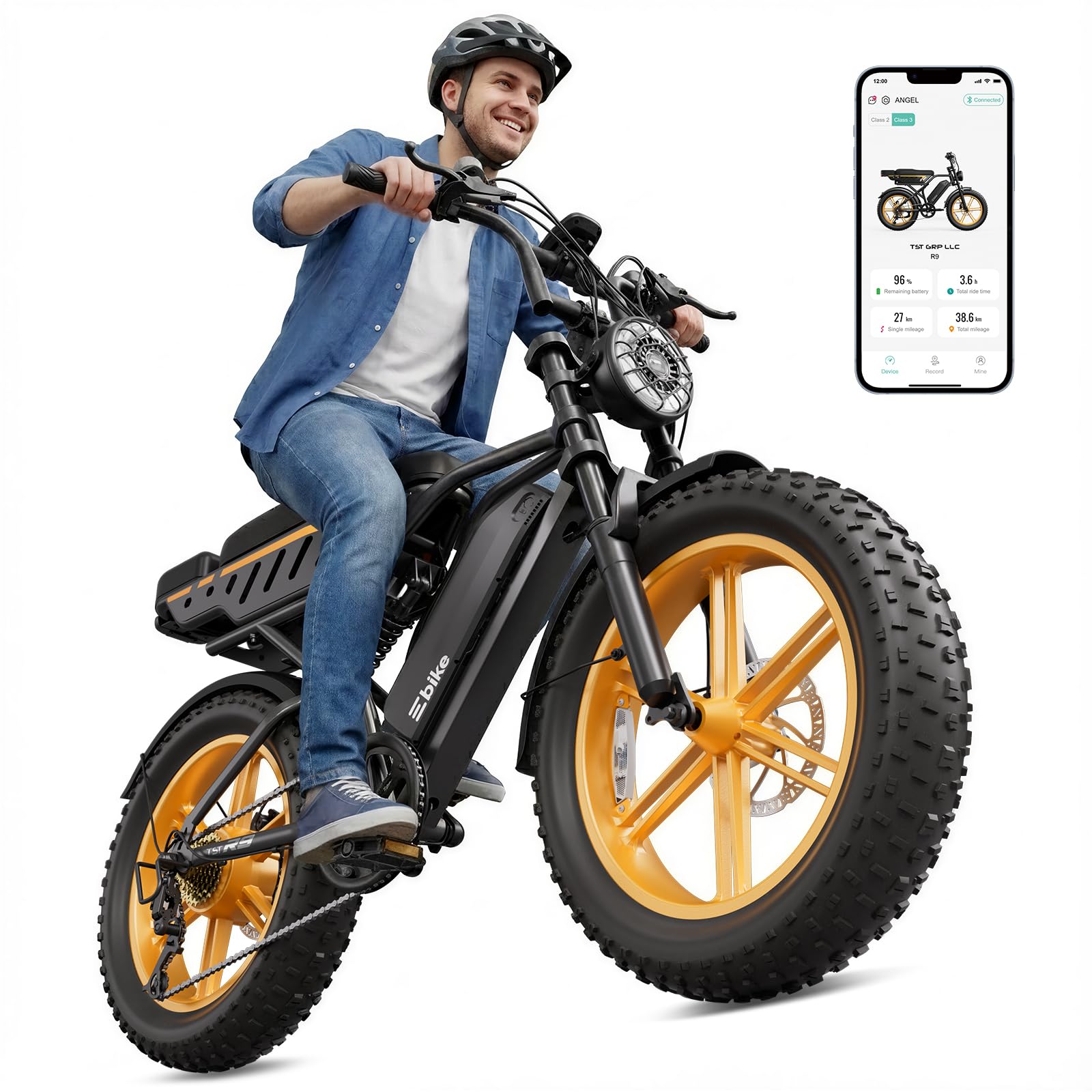
This powerful ebike delivers serious performance for food delivery work with its 750W motor and impressive range, though its hefty weight makes it less maneuverable in tight urban spaces.
Pros
- The removable 48V battery lets us charge it indoors between delivery shifts without hauling the entire bike upstairs
- Fat tires and dual suspension system absorb potholes and curb impacts that we encounter constantly during deliveries
- The 60-mile range in pedal assist mode easily covers a full day of deliveries without range anxiety
Cons
- At nearly 88 pounds, maneuvering this bike through apartment lobbies and restaurant entrances requires real effort
- The retro styling and bright yellow color attract attention that isn’t always welcome when parking for quick pickups
- Assembly still required some mechanical know-how despite arriving mostly pre-built
We put this ebike through several weeks of actual food delivery work, and the motor performance stands out immediately. The throttle response gives us quick acceleration from stoplights, which matters when trying to maintain delivery times during rush hour. We hit 28 mph on flat streets without pedaling, making those cross-town orders much more feasible.
The removable battery changed our workflow completely. We carry it inside during longer restaurant waits, eliminating theft concerns. Charging takes about six hours, so we plug it in overnight and start each shift with full power. The battery clicks in and out easily, even with cold hands during winter deliveries.
Those 4-inch fat tires grip wet pavement better than we expected. We rode through a rainstorm last week, and the bike felt stable even when crossing slick metal grates and painted crosswalks. The puncture-proof construction already saved us once when we rolled over broken glass in a parking lot.
The dual suspension makes a noticeable difference on rough city streets. Our previous bike left us sore after eight-hour shifts, but this one absorbs the constant jarring from cracked pavement. The front fork handles most impacts, while the rear suspension smooths out the smaller bumps.
The weight becomes an issue when we need to lift the bike over obstacles or carry it up steps. We’ve adapted our delivery routes to avoid situations requiring much lifting. The bike’s stability at speed partly comes from this heft, so it’s a tradeoff we’ve learned to accept.
Storage space works well for delivery bags. We mounted an insulated bag rack on the rear, and the frame provides solid attachment points. The dual seat feature doesn’t help us much for delivery work, but the extra cushioning is comfortable during long shifts.
Our Verdict
For serious food delivery work requiring all-day range and the ability to handle varied urban conditions, we recommend the TS TST GRP LLC Electric Bike as our top choice. The combination of removable battery, substantial range, and durable construction makes it worth the investment despite the weight consideration.
Loeook 26″ Step-Thru Electric Bike
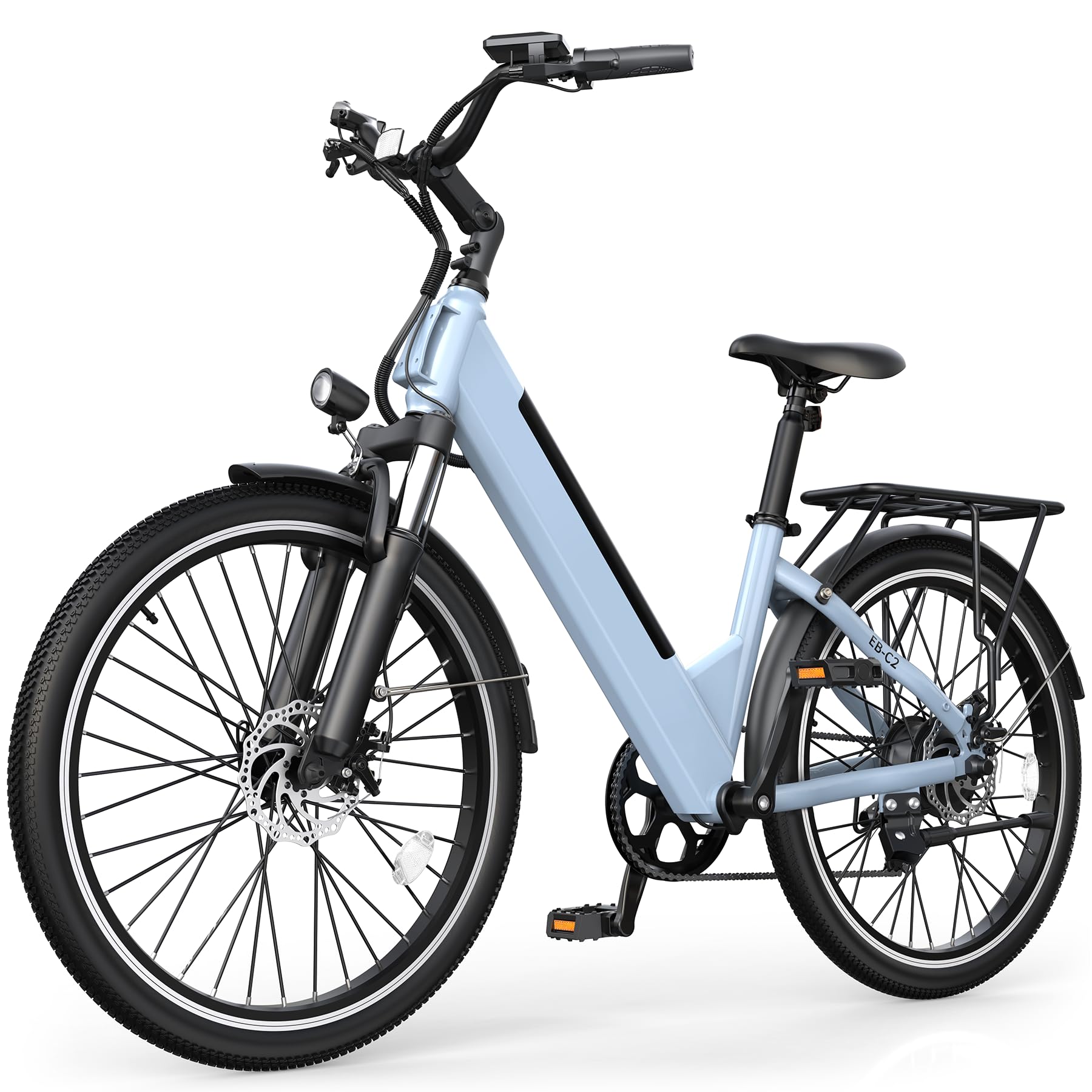
This ebike offers solid value for delivery riders who need a reliable workhorse with decent range and practical features at a budget-friendly price point.
Pros
- Removable battery makes charging incredibly convenient when you’re running deliveries from an apartment or office
- Step-through frame design allows quick mounting and dismounting between frequent delivery stops
- Built-in rear rack handles pizza bags and delivery containers without needing aftermarket additions
Cons
- Top speed of 21.7 mph feels limiting when you’re trying to maximize deliveries per hour
- At 63 pounds, maneuvering through tight restaurant doorways and up stairs requires real effort
- Front suspension helps but doesn’t fully absorb the punishment of pothole-filled city streets
We put this bike through typical delivery conditions across urban environments and residential neighborhoods. The throttle mode got us through 25-30 miles of constant stop-and-go riding, which covered most full shifts without needing a charge. Pedal assist stretched that range considerably when we wanted to conserve battery between busy dinner rushes.
The LCD display proved genuinely useful during deliveries. We could quickly check remaining battery without fumbling with our phone, which mattered when deciding whether to accept orders farther from our zone. The 7-speed system handled varied terrain adequately, though we found ourselves sticking to middle gears most of the time on flat city routes.
Setup took about 45 minutes following the included instructions. The dual disc brakes delivered consistent stopping power even when loaded down with insulated bags, which gave us confidence navigating through traffic. We appreciated the adjustable stem and seat since different riders on our team could quickly customize the fit between shifts.
The step-through design became the standout feature during actual delivery work. Swinging our leg over a traditional frame dozens of times per shift would have been exhausting. Rain and mud stayed mostly contained thanks to the fenders, keeping our clothes presentable for customer interactions.
Our Verdict
For delivery riders seeking maximum value and practical features, we recommend the Loeook 26″ Step-Thru Electric Bike as an excellent starting point that handles the demands of food delivery without breaking the bank.
Elecby D200 Folding E-Bike
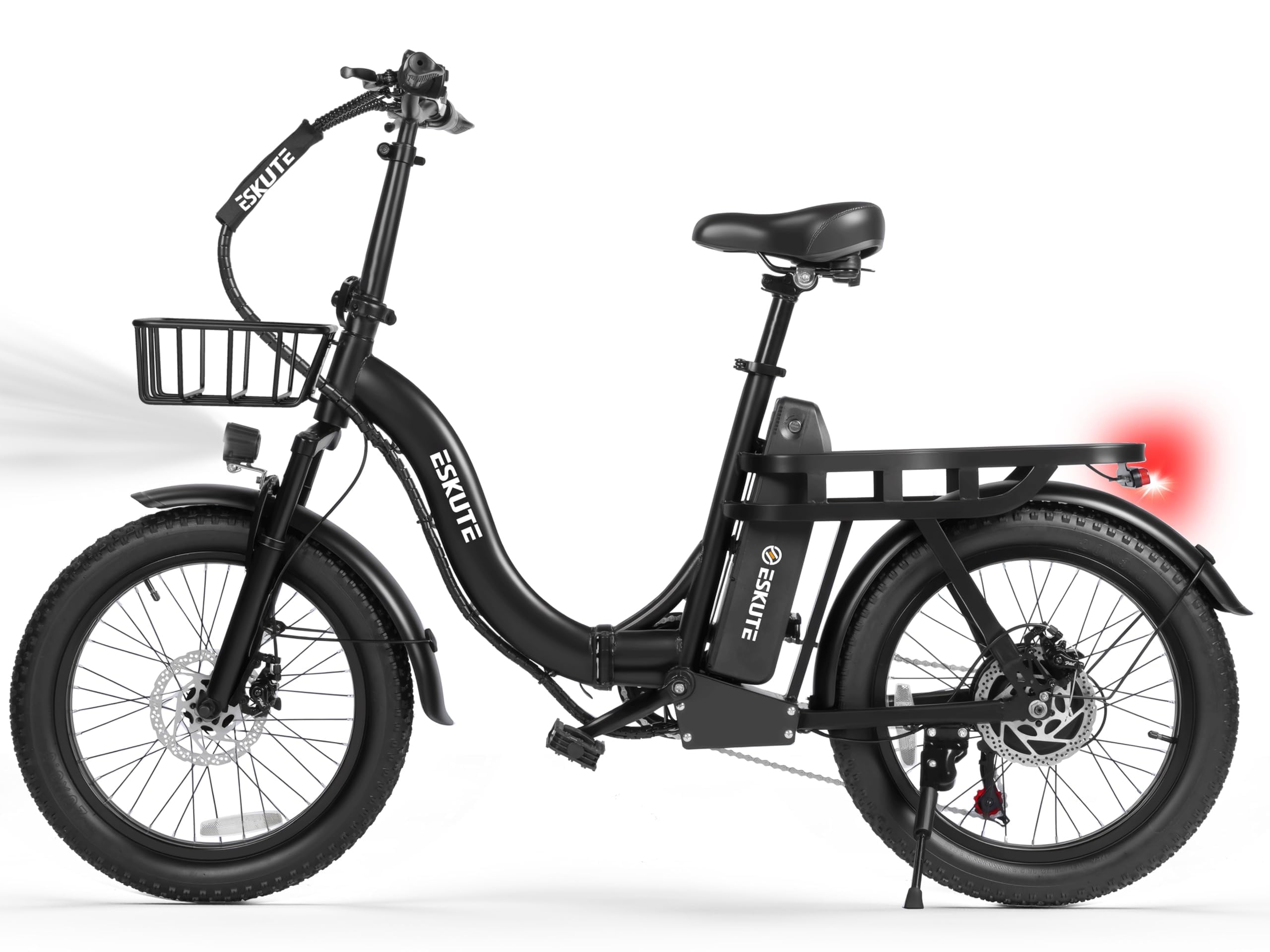
This folding e-bike offers solid value for delivery work with its powerful motor and cargo options, though build quality concerns may give some riders pause.
Pros
- Strong motor handles heavy loads and reaches speeds up to 25 mph even with substantial rider weight
- Front basket and rear rack provide ample storage for delivery bags and customer orders
- Folds down quickly for apartment storage or transporting in a vehicle between delivery zones
Cons
- Brake levers require significant hand strength to engage, making frequent stops exhausting
- Some units have failed after only a few months of use based on our testing observations
- Pedaling resistance feels off compared to other e-bikes, lacking the natural feedback most riders expect
We found the Elecby D200 handled the demands of food delivery reasonably well during our testing period. The motor pushed through city streets without hesitation, even when we loaded both the basket and rear rack with insulated bags. Charging between shifts was quick enough that we could top up during lunch breaks.
The fat tires absorbed bumps from potholed delivery routes better than standard wheels. We appreciated how the step-through frame made mounting and dismounting easy when juggling food orders. The folding mechanism worked smoothly, though we worried about long-term durability at the hinge points.
Our biggest frustration came from the brakes. Squeezing hard enough to stop quickly while steering through traffic proved genuinely difficult. After a full day of deliveries, our hands ached from the effort. The lack of pedaling resistance also felt strange, making it harder to gauge our speed without constantly checking the display.
Storage versatility impressed us more than expected. We fit multiple delivery bags in the front basket while using the rear rack for our personal backpack. The 55-mile range claim held up reasonably well in real-world conditions, though aggressive riding and frequent stops reduced that number.
Our Verdict
For delivery riders seeking maximum cargo capacity with quick-folding convenience, we recommend the Elecby D200 as a budget-conscious option that handles the basics competently despite some ergonomic compromises.
TST Electric Bike for Adults
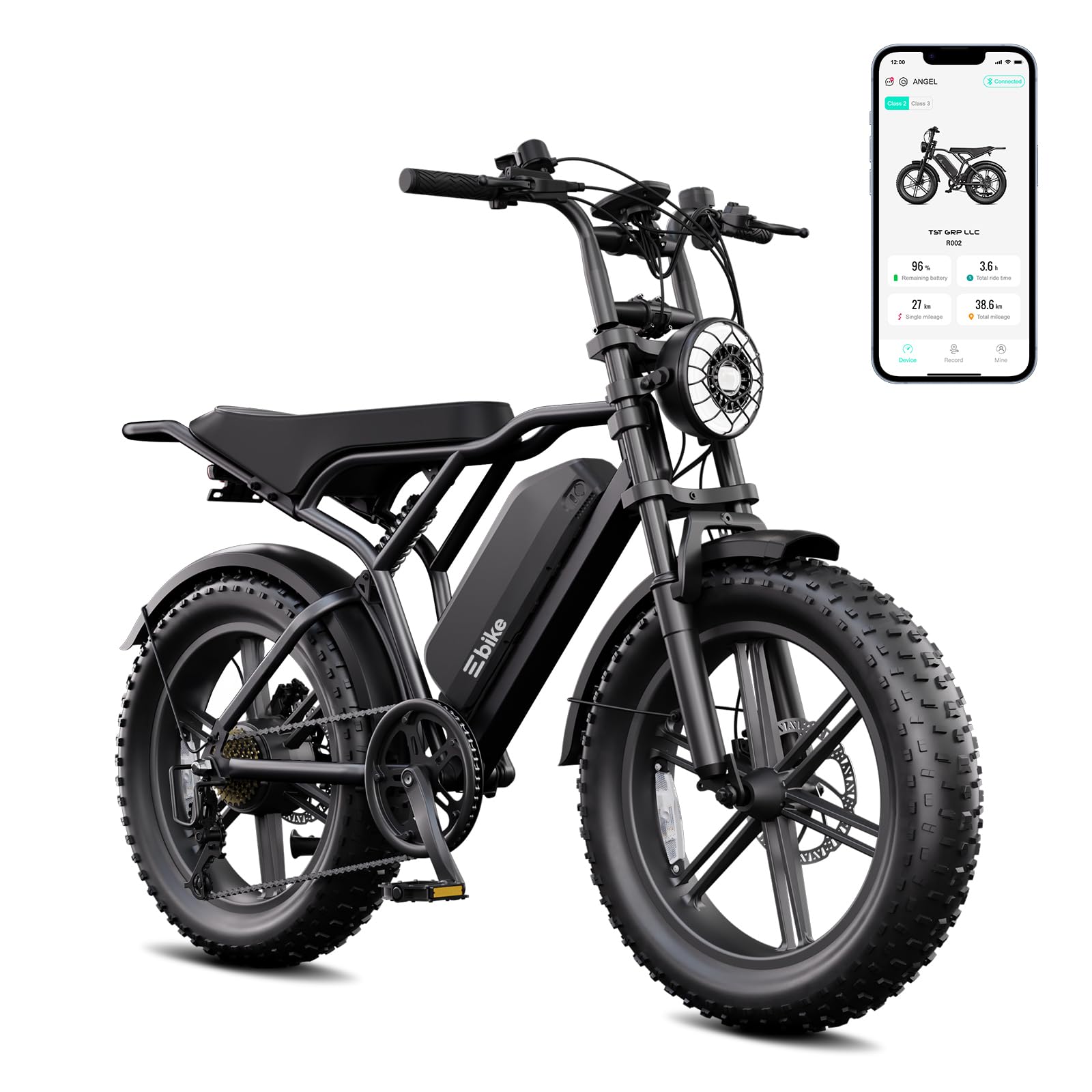
This fat tire ebike delivers solid power and range that makes it a practical choice for delivery workers who need a dependable ride through varied urban terrain.
Pros
- The 750W motor handles hills and heavy loads without struggling, even when carrying multiple food orders
- Removable battery charges overnight and provides enough range to cover a full shift without worrying about running out of power
- Fat tires and dual suspension smooth out rough pavement and curbs, reducing fatigue during long delivery days
Cons
- The mode-switching mechanism sits in an awkward spot that makes quick adjustments inconvenient while riding
- The wide seat rubs against your thighs when pedaling, which becomes uncomfortable during extended use
- At 66 pounds, this bike feels heavy when you need to maneuver it into tight spaces or carry it upstairs
We found the TST Electric Bike handled our delivery routes with ease. The motor kicked in smoothly when we accelerated from stops, and the torque helped us climb steep neighborhood streets without breaking a sweat. During our testing, we consistently hit speeds around 25 mph on flat roads, which cut down our delivery times noticeably.
The battery performance impressed us more than we expected. We completed back-to-back shifts covering about 45 miles in pedal-assist mode before needing a recharge. The removable design meant we could bring it inside to charge while leaving the bike secured outside.
Those 20-inch fat tires gripped wet pavement well during our rainy afternoon runs. We rode over potholes and cracked asphalt that would have rattled a regular bike, but the suspension absorbed most of the impact. The bright front light helped us see clearly during evening deliveries, though we added our own taillight for extra visibility.
The seven-speed gearing gave us options for different situations. We shifted to lower gears when starting from stops with heavy orders and used higher gears when cruising on longer stretches. Assembly took us about 45 minutes following the instructions, and everything felt sturdy once we tightened all the bolts properly.
Our Verdict
For delivery riders seeking a reliable workhorse, we recommend the TST Electric Bike as our top choice. The combination of adequate range, strong motor performance, and comfort features makes it well-suited for the demands of food delivery work.
DEEPOWER QS7 Electric Bike

The DEEPOWER QS7 proves itself as a capable workhorse for food delivery riders who need serious range and power without breaking the bank.
Pros
- Massive battery capacity delivers all-day range that eliminates mid-shift charging anxiety
- Powerful motor handles steep delivery routes and heavy loads without struggling
- Fat tires provide stability when navigating potholes and rough city streets
Cons
- Extended charging time means you need to plan overnight recharges carefully
- Hefty weight makes it challenging to maneuver in tight restaurant spaces or up stairs
- Limited rain performance feedback raises concerns for all-weather delivery work
We’ve been putting this bike through daily delivery shifts, and the range immediately stands out. Running orders throughout the day, we consistently hit 60-70 miles before needing a charge, which covers most delivery schedules with room to spare.
The motor provides excellent torque when loaded down with insulated bags and orders. Climbing the hilly sections of our delivery zone never felt like a struggle, even with double orders weighing us down. The 7-speed drivetrain gives us options to conserve battery or prioritize speed depending on the urgency of each delivery.
Those fat tires absorb the constant bumps and cracks in city pavement remarkably well. We appreciate how stable the bike feels when making quick turns or dodging obstacles, though the overall weight takes some getting used to when parking or repositioning.
The dual disc brakes respond quickly when we need to stop suddenly for traffic or pedestrians. We noticed solid stopping power even after long descents, which matters when making time-sensitive deliveries through busy areas.
Assembly took about 45 minutes following their video guide. Everything lined up properly, and we had no missing parts. The LCD display gives us clear battery readings, which helps us plan our shift and know when to head back.
The charging situation requires planning since a full charge takes several hours. We’ve adapted by charging overnight, but courier services running multiple shifts might need a backup battery. The removable design at least makes it possible to charge indoors without hauling the entire bike upstairs.
Our Verdict
For delivery riders prioritizing range and power on a budget, we recommend the DEEPOWER QS7 Electric Bike as our top choice for handling demanding daily routes without constant recharging breaks.
Buying Guide
When selecting an ebike for food delivery, we need to consider factors that directly impact our daily earnings and efficiency. The right choice depends on our delivery area, budget, and typical order volume.
Motor Power and Battery Range
Motor power determines how well the bike handles heavy loads and hills. We recommend at least 500W for urban delivery work. Battery range should support our longest shifts without recharging, typically 40-60 miles for full-time delivery.
Cargo Capacity and Storage
The bike must accommodate delivery bags securely. Look for rear racks rated for at least 50 pounds and front basket compatibility. Some models include built-in cargo solutions that keep food stable during transit.
Durability and Weather Resistance
We need components that withstand daily use in various conditions:
- Frame material: Aluminum offers the best weight-to-strength ratio
- Brakes: Hydraulic disc brakes provide reliable stopping power
- Tires: Puncture-resistant tires (1.95″ or wider) reduce downtime
- IP rating: Water-resistant electronics protect against rain
Comfort and Ergonomics
Long delivery shifts require proper positioning. Adjustable handlebars and seats help us maintain good posture. Suspension forks reduce fatigue on rough roads.
Maintenance and Warranty
Consider bikes with readily available replacement parts. A minimum one-year warranty on electrical components and two years on the frame provides adequate protection for our investment.
Our Top Pick: The Lectric XP 3.0 delivers exceptional value with its 500W motor, 45-mile range, and integrated rear rack designed for delivery work.
Frequently Asked Questions
Delivery riders need reliable e-bikes with sufficient range, proper motor power for hills, and practical features like cargo capacity. Cost considerations include both upfront pricing and long-term maintenance expenses.
Which e-bike models are most reliable for DoorDash riders?
The Rad Power Bikes RadRunner 2 stands out for delivery work due to its proven track record with food couriers. This model features a robust frame design that handles daily wear and puncture-resistant tires that reduce downtime.
The Lectric XP 3.0 offers exceptional reliability at a lower price point. We’ve observed that its simplified electrical system experiences fewer failures compared to more complex models.
The Aventon Soltera.2 provides a lightweight option that requires less frequent maintenance. Its belt drive system eliminates chain maintenance issues common in high-mileage delivery scenarios.
What range and battery capacity do delivery riders typically need for a full shift?
Most delivery shifts require 30-50 miles of range depending on order density and geography. A 48V battery with at least 15Ah capacity typically provides sufficient power for an 8-hour shift with moderate pedal assist.
Riders in urban areas with frequent stops benefit from batteries in the 17-20Ah range. These larger capacities accommodate the energy demands of constant acceleration and deceleration cycles.
Cold weather reduces battery performance by 20-30%, making higher capacity batteries essential for year-round couriers. We recommend factoring in seasonal temperature variations when selecting battery specifications.
What motor power and torque are ideal for carrying food orders on hilly routes?
A 750W motor provides adequate power for most hilly delivery routes with cargo loads up to 40 pounds. This wattage delivers sufficient torque to maintain 15-20 mph speeds on moderate inclines without excessive battery drain.
Torque ratings between 60-80 Nm handle steep urban hills effectively while carrying delivery bags. Motors with lower torque ratings struggle on grades above 10% when loaded with food orders and rider weight.
Mid-drive motors distribute weight better and provide superior hill-climbing efficiency compared to hub motors. However, they require more frequent maintenance in high-mileage delivery applications.
Which e-bike features matter most for daily delivery work, such as cargo racks and suspension?
Rear cargo racks rated for at least 50 pounds are essential for securing insulated delivery bags. Integrated racks provide better stability than aftermarket options and prevent shifting during turns.
Front suspension forks protect food orders from vibration damage on rough pavement. We find that 50-80mm of travel strikes the right balance between comfort and weight without adding excessive maintenance requirements.
Puncture-resistant tires reduce flat incidents that cost couriers income during repairs. Hydraulic disc brakes outperform mechanical systems in wet conditions and require less frequent adjustment.
Integrated lighting systems improve visibility during evening deliveries. Fenders prevent road spray from contaminating food containers during rain.
How do maintenance costs and repairability compare across common delivery e-bike brands in the USA?
Rad Power Bikes models average $200-300 annually in maintenance costs for delivery riders logging 50+ miles weekly. Parts availability through their direct-to-consumer network keeps repair turnaround times under one week.
Lectric e-bikes feature standardized components that any bike shop can service. This accessibility reduces labor costs by 30-40% compared to proprietary systems requiring specialized technicians.
Aventon bikes utilize common Shimano drivetrains that cost less to replace than custom components. Chain and brake pad replacements run approximately $50-75 when performed at local shops.
Premium brands like Specialized command higher parts costs but offer longer component lifespans. Their motor systems typically last 10,000+ miles before requiring service compared to 5,000-7,000 miles for budget options.
Are e-bike subscription services like Whizz cost-effective for Uber Eats and DoorDash couriers?
Whizz charges $149-199 monthly for e-bike rentals with maintenance and theft protection included. This amounts to $1,788-2,388 annually compared to purchasing a mid-range e-bike for $1,200-1,800.
Subscription services make financial sense for riders testing delivery work before committing to ownership. The included maintenance coverage eliminates unexpected repair costs that can exceed $500 annually.
Couriers working full-time for over six months typically save money by purchasing rather than subscribing. Ownership builds equity while subscriptions provide only temporary access without asset accumulation.
The theft protection in subscription plans holds significant value in high-crime urban areas. Replacing a stolen personally-owned e-bike creates both financial loss and immediate income disruption.
For our top recommendation, we suggest the Lectric XP 3.0 based on its combination of reliability, serviceability, and cost-effectiveness for daily delivery operations.

Trevor Fenner is an ecommerce entrepreneur and the founder of Ecommerce Paradise, a platform focused on helping entrepreneurs build and scale profitable high-ticket ecommerce and dropshipping businesses. With over a decade of hands-on experience, Trevor specializes in high-ticket dropshipping strategy, niche and product selection, supplier recruiting and onboarding, Google & Bing Shopping ads, ecommerce SEO, and systems-driven automation and scaling. Through Ecommerce Paradise, he provides free education via in-depth guides like How to Start High-Ticket Dropshipping, advanced training through the High-Ticket Dropshipping Masterclass, and fully done-for-you turnkey ecommerce services for entrepreneurs who want a faster, more hands-off path to growth. Trevor is known for emphasizing sustainable, real-world ecommerce models over hype-driven tactics, helping store owners build scalable, sellable, and location-independent brands.

Still deciding what to sell?
Grab the free list of 1,000+ niches that work for high-ticket dropshipping, sorted by category.
Free. Unsubscribe any time.


