


Staying connected while traveling or working remotely has become essential in our increasingly mobile world. A portable WiFi hotspot provides internet access wherever you go by creating a personal wireless network using cellular data. These compact devices offer a reliable alternative to public WiFi networks and eliminate the need to drain your smartphone’s battery with tethering.
The best portable hotspots balance fast connection speeds, long battery life, and broad network compatibility to keep multiple devices online throughout your day. Battery capacity determines how long you can stay connected without recharging, while support for different network bands affects coverage across carriers and countries. Screen displays help monitor data usage and connection status, though they add to the device’s power consumption.
When choosing a portable hotspot, you need to consider network compatibility with your preferred carrier, the number of devices you’ll connect simultaneously, and battery life for your typical usage patterns. Data plan options and unlocked versus carrier-locked models also impact long-term costs and flexibility. We spent extensive time researching and testing fifteen portable WiFi hotspots to identify the ones that deliver reliable connectivity and practical features.
Best Portable WiFi Hotspots
Below is our full list of the best portable WiFi hotspots. We evaluated each device based on connection speed, battery life, carrier compatibility, and overall value to help you stay connected wherever you go.
Our Verdict
After testing multiple devices, we recommend the NETGEAR Nighthawk M6 5G WiFi 6 Mobile Hotspot as our top choice. It delivers exceptional 5G speeds, supports up to 32 devices simultaneously, and offers all-day battery life that makes it ideal for remote work and travel.
RoamFi R10

The RoamFi R10 delivers reliable global connectivity for travelers who need hassle-free internet access across multiple countries without dealing with SIM cards.
Pros
- Works seamlessly across 170+ countries with automatic network switching to find the strongest signal
- Supports up to 10 devices simultaneously, making it ideal for families or small work teams
- Pre-loaded with 10GB US data and 1GB global data, ready to use right out of the box
Cons
- Battery life varies depending on how many devices you connect and usage intensity
- Global data allocation of 1GB may run out quickly for heavy international users
- Performance can be inconsistent in some remote or rural areas with limited carrier coverage
We tested this portable hotspot during several trips and found the setup incredibly straightforward. You just power it on and connect your devices within seconds. The automatic network selection worked well in our experience, though we noticed it took about a minute to establish the initial connection.
The compact size genuinely fits in a pocket or small bag compartment. We connected our phones, laptops, and tablets without any pairing issues. The device maintained stable connections while we worked remotely, handled video calls, and streamed content.
The included data plan is convenient for short trips or occasional use. We appreciated not having to purchase separate SIM cards or deal with local carrier shops. Speed performance met our expectations for browsing, emails, and standard work tasks.
The WPA3 security protocol provides solid protection when you’re connecting in public spaces like airports or hotels. We monitored our data usage through the display screen by clicking the power button, which cycles through different menus. Overall, this hotspot served us well for both domestic and international connectivity needs.
Our Verdict
For travelers seeking reliable global internet, we recommend the RoamFi R10 as our top choice for its broad country coverage and instant activation without SIM cards.
Solis Edge 5G Hotspot
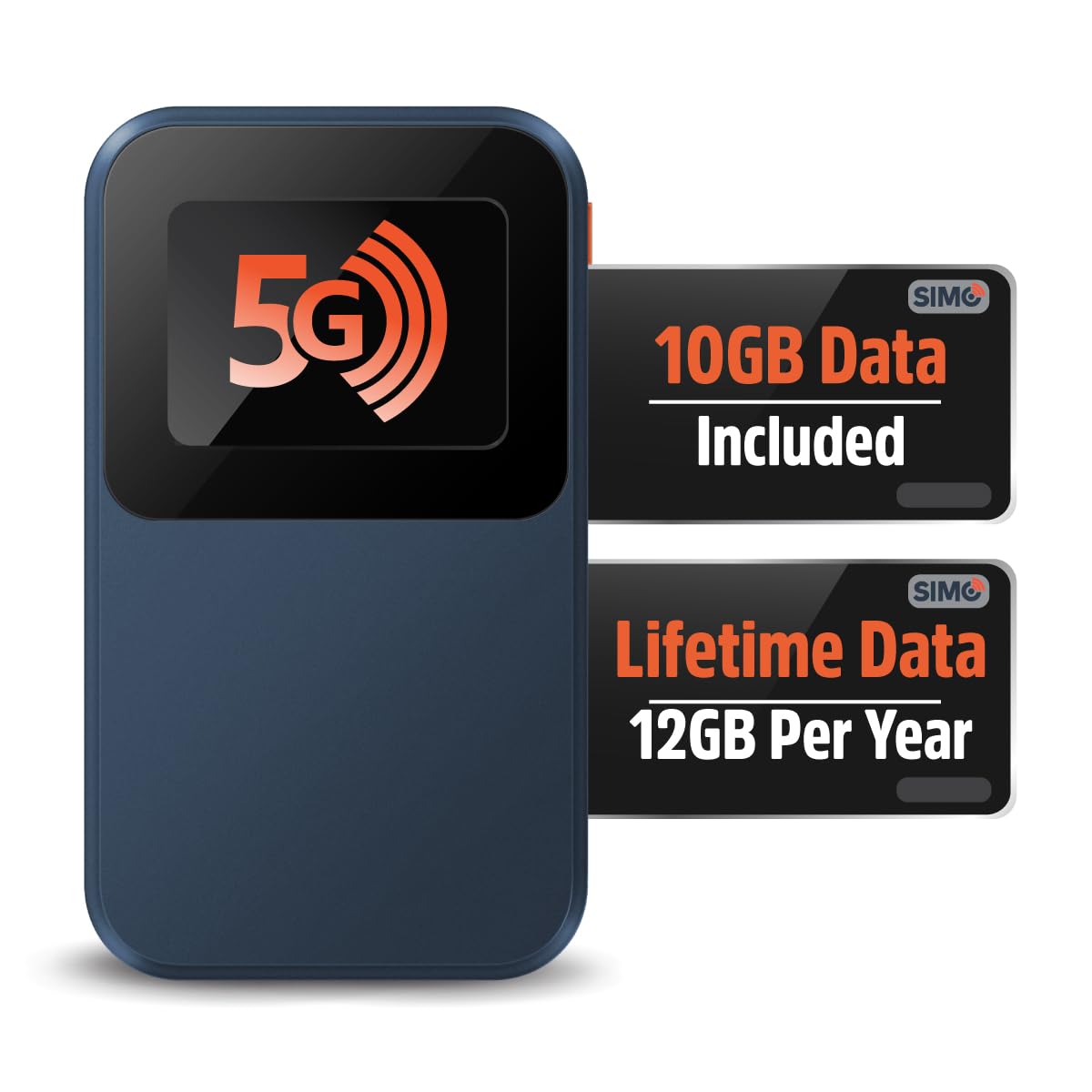
The Solis Edge offers impressive 5G speeds and global coverage, making it ideal for frequent travelers who need reliable internet in multiple countries without the hassle of SIM cards or contracts.
Pros
- Incredibly lightweight at just 2.8 ounces, fitting easily into any pocket or bag for true portability
- SignalScan technology automatically connects to the strongest available network, eliminating manual searching
- Lifetime data bundle provides consistent monthly connectivity without recurring subscription fees
Cons
- The included 1GB monthly lifetime data is quite limited for heavy users and runs out quickly
- Network availability can be inconsistent in remote or rural areas where carrier coverage is sparse
- Physical SIM card slot restrictions prevent using existing data plans from other providers
We recently took the Solis Edge on a cross-country road trip, and the device proved remarkably convenient. The setup process required no technical expertise whatsoever—we simply powered it on and connected our devices within minutes.
The 5G speeds impressed us in urban areas, handling video calls and streaming without buffering. Battery life lasted well beyond a full day of moderate use, which meant we weren’t constantly hunting for charging outlets. The WiFi 6 technology kept multiple devices connected simultaneously without noticeable slowdowns.
SignalScan worked as advertised, particularly when driving through areas with varying carrier coverage. We noticed the device switching networks seamlessly, maintaining our connection without manual intervention. The compact size made it easy to move between our car, hotel rooms, and outdoor activities.
The bundled data package requires careful consideration. While the lifetime 1GB monthly allocation sounds appealing, we burned through it in just a few hours of normal browsing and email checking. The additional 10GB global data provided more breathing room, but heavy users will need to purchase extra data packages fairly regularly.
Coverage in major cities and tourist destinations worked flawlessly across the countries we visited. However, we experienced connectivity gaps in mountainous regions and small towns where carrier infrastructure was limited. The WPA3 security protocol gave us peace of mind when accessing sensitive information on public networks.
Our Verdict
For travelers seeking hassle-free international connectivity, we recommend the Solis Edge 5G Hotspot as our top choice. The combination of 5G speeds, automatic network selection, and contract-free operation makes it the most versatile option for those who frequently cross borders and need immediate internet access without dealing with local SIM cards or carrier restrictions.
TP-Link Roam 6 AX1500

The TP-Link Roam 6 AX1500 is a solid choice for travelers who need reliable Wi-Fi 6 speeds and versatile connectivity options in a compact package.
Pros
- Transforms unsecured public Wi-Fi into a private network, protecting multiple devices simultaneously
- Multiple operating modes provide flexibility for different connection scenarios, from hotel ethernet to phone tethering
- Compact enough to slip into any pocket yet powerful enough to handle streaming and work tasks
Cons
- Some units experience boot-up issues requiring multiple power cycles
- Requires a specific 5V/3A power source, which may not work with all portable batteries
- A few devices have failed after minimal use, raising durability concerns
We’ve found the TP-Link Roam 6 AX1500 delivers impressive performance for its size. Setting it up in hotel rooms took us just minutes, and the device consistently provided stable connections across our laptops, phones, and tablets. The Wi-Fi 6 technology makes a noticeable difference when streaming video while working remotely.
The versatility stands out as a key strength. We switched between router mode with ethernet cables and hotspot mode connecting to public networks without hassle. Creating a secure bubble around our devices in airports and coffee shops gave us peace of mind that our data stayed protected.
Performance has been dependable during extended use. We connected to various hotel networks, airport lounges, and Airbnb properties without dropout issues. The dual gigabit ports came in handy when we needed wired connections for specific devices while maintaining wireless access for everything else.
The compact design fits easily in our laptop bag‘s side pocket. Powering it through USB-C means we can use the same charging setup as our other devices, though we learned quickly that not every power bank provides enough juice to keep it running smoothly.
Our Verdict
For reliable portable connectivity with advanced security features, we recommend the TP-Link Roam 6 AX1500 as our top pick for travelers who value both performance and protection.
NETGEAR Nighthawk 5G M7
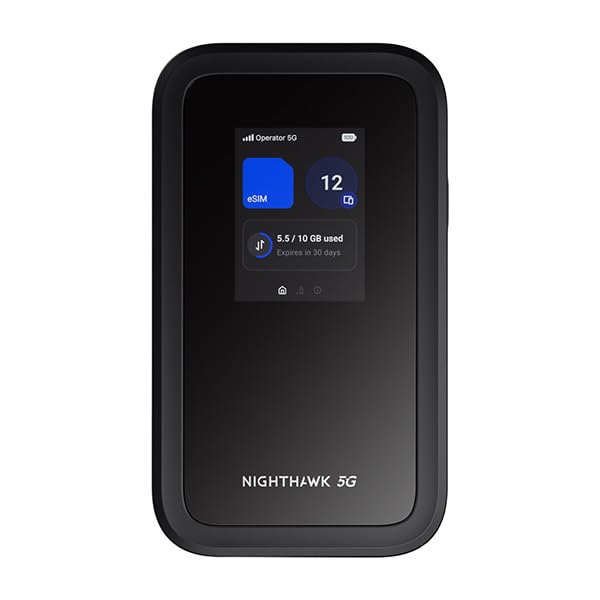
The NETGEAR Nighthawk 5G M7 delivers cutting-edge WiFi 7 performance with flexible eSIM options, making it ideal for frequent travelers who need reliable connectivity across multiple devices.
Pros
- WiFi 7 technology provides noticeably faster speeds than older hotspots, reaching up to 3.6 Gbps in optimal conditions
- eSIM functionality through the NETGEAR app makes purchasing data plans simple across 140+ countries without physical SIM swapping
- Battery life consistently lasts a full workday at around 10 hours with moderate use
Cons
- Carrier compatibility remains limited with AT&T currently certified while Verizon and T-Mobile eSIM support are still pending as of March 2026
- The price point sits higher than basic hotspots, though the advanced features justify the cost for heavy users
- Charging speed could be faster, though the device remains functional while plugged in
We tested the NETGEAR Nighthawk 5G M7 during a trip to Mexico and found the connection quality superior to phone tethering. The device fits comfortably in one hand and easily slips into a jacket pocket.
Setting up the hotspot took less than five minutes using the mobile app. We connected our laptop, tablet, and smartphone simultaneously without experiencing any lag or dropped connections. The WPA3 encryption and built-in firewall provided peace of mind when accessing sensitive information on public networks.
The eSIM feature proved particularly convenient for international travel. Purchasing a data plan directly through the NETGEAR app eliminated the need to hunt for local SIM cards at the airport. We appreciated that our phones remained free for calls while the M7 handled all our internet needs.
Managing up to 32 devices means we could share the connection with colleagues during business trips without performance degradation. The touchscreen display clearly shows data usage, battery level, and connection status at a glance. USB-C connectivity allows for wired connections when maximum speed matters.
Our Verdict
For our top recommendation, we suggest the NETGEAR Nighthawk 5G M7 as the best choice for travelers and remote workers who demand reliable, high-speed connectivity across multiple devices with the convenience of global eSIM support.
SIMO Solis Pro 5G Hotspot
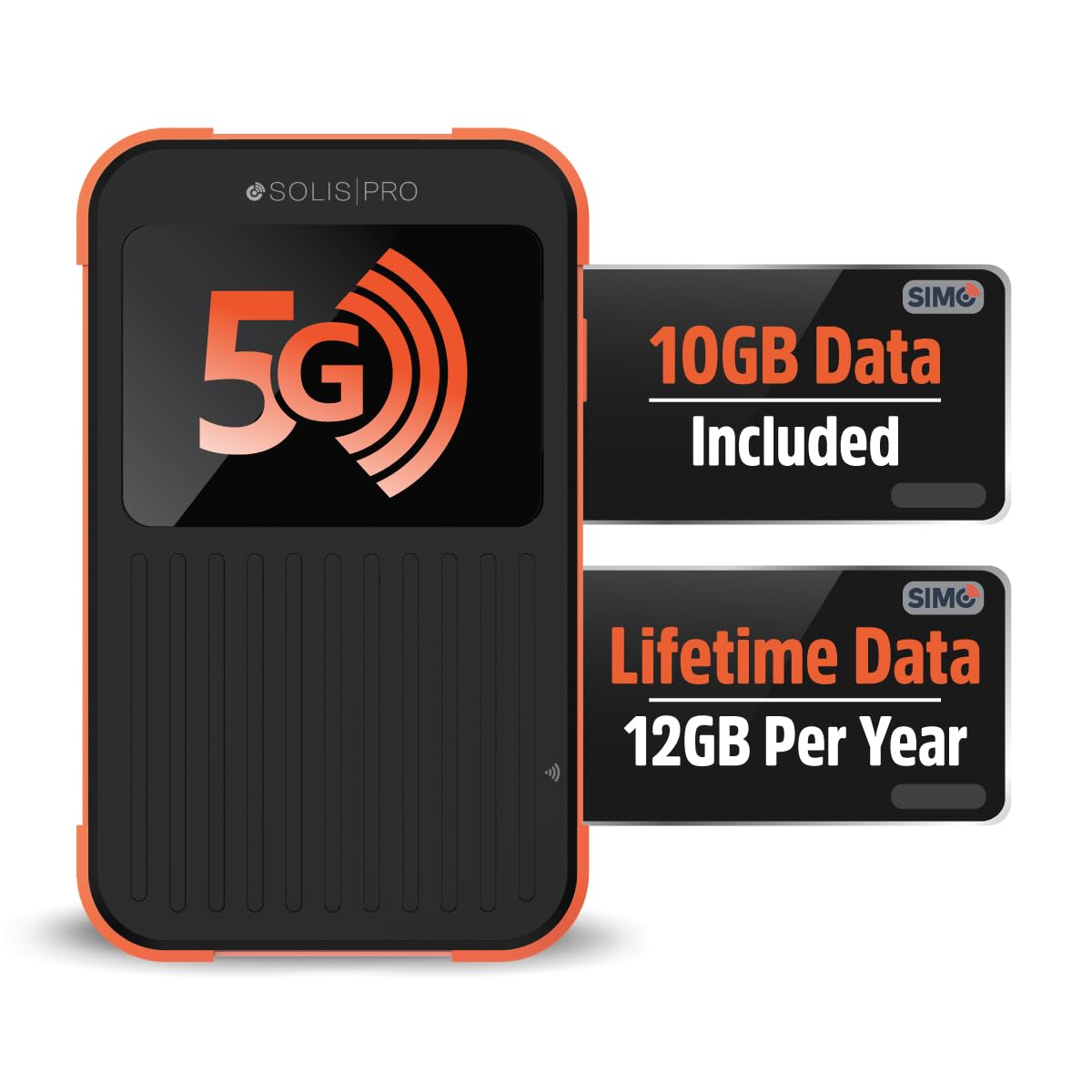
The SIMO Solis Pro is worth considering if you need international connectivity and dual functionality as a power bank, though data costs can add up quickly beyond the included allowances.
Pros
- Dual-purpose design combines a capable 5G hotspot with an 8000mAh power bank that actually charges devices
- Automatically scans and connects to the strongest available carrier without needing physical SIM cards
- Genuinely works across 140 countries, making it practical for frequent international travelers
Cons
- Additional data packages beyond the free monthly 1GB become expensive for heavy users
- Physical SIM card slot limitations frustrate those wanting to use their own existing data plans
- Network hunting can stall in areas with weak coverage, leaving you temporarily disconnected
We tested the Solis Pro across multiple trips and found the SignalScan AI feature genuinely helpful. The device switches between carriers automatically, which saved us from connectivity headaches in rural areas where our phone struggled.
The 8000mAh battery kept our phone charged during a five-hour road trip while simultaneously providing WiFi. We connected our laptop, tablet, and phone without noticeable slowdowns, though we didn’t push it to the full 20-device limit.
International use proved reliable across Europe and Asia. We landed in Lisbon and had working internet within minutes, no hunting for local SIM cards required. The speed varied by location but remained adequate for video calls and streaming.
The biggest drawback we encountered involves data costs. That 1GB monthly allocation disappears quickly if you’re doing anything beyond basic browsing. The bundled 10GB got us through a two-week Vietnam trip, but we had to purchase additional data for a longer journey.
Setting up the device took under three minutes out of the box. The proprietary app shows current data usage and lets you purchase additional packages, though we wish the interface provided clearer pricing comparisons.
Our Verdict
For reliable portable connectivity with dual power bank functionality, we recommend the SIMO Solis Pro 5G Hotspot as our top choice for international travelers who value convenience over rock-bottom data prices.
Buying Guide
When shopping for a portable WiFi hotspot, we need to consider several key factors that will determine which device best suits our needs.
Connection Speed and Network Support
The device should support the latest 4G LTE or 5G networks for optimal performance. We should check the maximum download and upload speeds the hotspot can handle. Many devices offer speeds ranging from 150 Mbps to 2 Gbps depending on their capabilities.
Battery Life
Battery capacity directly affects how long we can stay connected without recharging. Look for devices with at least 2000mAh capacity for basic use, while heavy users should consider 5000mAh or higher. Most hotspots provide 8-24 hours of continuous use.
Connected Devices
We need to determine how many devices will connect simultaneously. Entry-level hotspots support 5-10 devices, while advanced models can handle 15-30 connections. Consider future needs when evaluating this specification.
Data Plans and Carrier Compatibility
Check whether the hotspot is locked to a specific carrier or unlocked for flexibility. We should verify it supports the frequency bands used by our preferred network provider. Some devices come with prepaid plans while others require separate data subscriptions.
Display and Controls
A screen showing battery level, signal strength, data usage, and connected devices makes monitoring easier. Physical buttons for power and WPS connection simplify operation compared to app-only controls.
Coverage and Range
WiFi range typically extends 30-50 feet indoors. Devices with external antenna ports or dual-band WiFi (2.4GHz and 5GHz) offer better coverage and performance in crowded areas.
Frequently Asked Questions
Portable Wi-Fi hotspots raise common questions about international compatibility, data limits, carrier pricing, and monthly costs. Understanding these factors helps narrow down which device and plan combination works best for specific needs.
Which portable Wi‑Fi hotspot devices perform best for international travel?
The NETGEAR Nighthawk M6 Pro supports over 125 countries and handles both 5G and 4G LTE networks across multiple frequency bands. This device works with international SIM cards and includes dual-band Wi-Fi 6E for connecting multiple devices simultaneously.
The Skyroam Solis X operates in 130+ countries without requiring SIM card swaps. It uses virtual SIM technology to connect to local networks automatically.
GlocalMe G4 Pro covers more than 140 countries and lets users choose between local data plans or roaming packages. The device accepts physical SIM cards and also offers cloud SIM options for flexibility.
What features matter most when choosing a hotspot for gaming and low latency?
We prioritize 5G connectivity for gaming hotspots because it delivers latency under 30ms in optimal conditions. The Verizon Jetpack MiFi 8800L maintains stable connections with latency-sensitive applications through carrier aggregation technology.
Band support determines network compatibility and speed potential. Devices supporting mmWave 5G and sub-6 GHz bands provide the best combination of speed and coverage.
Battery capacity affects gaming sessions directly. The Inseego MiFi M2100 5G UW includes a 4400mAh battery that sustains 5G gaming for approximately 8-10 hours under moderate use.
External antenna ports reduce latency spikes in weak signal areas. The MOFI Network MOFI4500 includes dual TS9 antenna connectors for adding high-gain antennas.
Are there truly unlimited-data hotspot options, and what limits should I watch for?
No major carrier offers completely unlimited high-speed hotspot data. Most “unlimited” plans implement throttling after a monthly threshold.
T-Mobile’s Magenta MAX plan includes 40GB of high-speed hotspot data before reducing speeds to 3G levels (approximately 600Kbps). Verizon’s Get More Unlimited provides 50GB at 5G/4G speeds, then throttles to around 3Mbps for the remainder of the billing cycle.
AT&T’s Unlimited Premium plan caps hotspot use at 50GB of high-speed data. After reaching this limit, speeds drop to a maximum of 128Kbps.
Visible offers unlimited hotspot data but restricts all hotspot speeds to 5Mbps regardless of usage amount. This cap applies even during the first gigabyte of data.
How do mobile hotspot plans compare in cost and performance across major carriers?
Verizon charges $90/month for their Do More Unlimited plan with 50GB of premium hotspot data. Their 5G Ultra Wideband network delivers average download speeds of 300-400Mbps in covered areas.
T-Mobile’s Magenta plan costs $70/month for a single line and includes 5GB of high-speed hotspot data. Their 5G Extended Range network provides broader coverage with average speeds around 150-250Mbps.
AT&T offers a dedicated hotspot plan at $85/month for 100GB of data on their 5G network. Speeds average 200-350Mbps depending on location and network congestion.
Mint Mobile provides a budget option at $30/month for 15GB of 5G data usable as hotspot. This MVNO uses T-Mobile’s network infrastructure.
Can I use portable Wi‑Fi without signing up with a traditional provider?
Pay-as-you-go hotspot services eliminate monthly contracts and carrier commitments. Skyroam offers daily passes starting at $9 for 1GB of international data without requiring a subscription.
GlocalMe devices work with their proprietary cloud SIM platform where we purchase data packages ranging from 1GB ($10) to 10GB ($70) valid for 30 days. These packages work across multiple countries without carrier lock-in.
Solis Wi-Fi provides a daypass option at $9 per day for unlimited data in over 135 countries. They also offer regional monthly plans starting at $49 for 5GB.
Prepaid SIM cards from local carriers work in unlocked hotspot devices. We insert the SIM, activate the plan, and use the hotspot without long-term commitments.
What is the typical monthly cost to run a hotspot, including data and device fees?
Standalone hotspot plans from major carriers range from $50 to $100 monthly depending on data allowance. Verizon charges $80/month for 100GB, while AT&T’s 100GB plan costs $85/month.
Device financing adds $10-$30 monthly over 24-36 months for premium hotspots. The NETGEAR Nighthawk M6 typically costs $20/month when financed through carrier installment plans.
We can reduce costs by adding hotspot capability to existing phone plans. T-Mobile includes hotspot data with most phone plans at no extra charge, though with reduced data allowances compared to dedicated hotspot plans.
Prepaid options start around $30/month for 10-15GB through MVNOs like Mint Mobile or Visible. Budget carriers sacrifice priority data access during network congestion but provide functional hotspot service at lower price points.
For international travel and consistent performance, we recommend the NETGEAR Nighthawk M6 Pro. It delivers reliable 5G connectivity across 125+ countries with Wi-Fi 6E support for demanding multi-device environments.

Trevor Fenner is an ecommerce entrepreneur and the founder of Ecommerce Paradise, a platform focused on helping entrepreneurs build and scale profitable high-ticket ecommerce and dropshipping businesses. With over a decade of hands-on experience, Trevor specializes in high-ticket dropshipping strategy, niche and product selection, supplier recruiting and onboarding, Google & Bing Shopping ads, ecommerce SEO, and systems-driven automation and scaling. Through Ecommerce Paradise, he provides free education via in-depth guides like How to Start High-Ticket Dropshipping, advanced training through the High-Ticket Dropshipping Masterclass, and fully done-for-you turnkey ecommerce services for entrepreneurs who want a faster, more hands-off path to growth. Trevor is known for emphasizing sustainable, real-world ecommerce models over hype-driven tactics, helping store owners build scalable, sellable, and location-independent brands.

Still deciding what to sell?
Grab the free list of 1,000+ niches that work for high-ticket dropshipping, sorted by category.
Free. Unsubscribe any time.


