

Most ecommerce owners spend far more time trying to win the first order than protecting the second one. Ads, product pages, and email flows matter, but the experience after checkout decides whether a customer trusts you enough to buy again. On E-Commerce Paradise, I talk a lot about building stores with sound unit economics. The operational side deserves the same attention.
The majority of online stores spend the bulk of their effort on the sales and marketing side of their business. Their ad creative is tested constantly, and their product pages are redesigned every few months to maintain a current, eye-catching look. While these tactics are an important part of a business strategy and customers do notice the changes, what really lasts and shapes their impression happens further down the line. This includes fulfillment logistics such as delivery times and order condition, as well as how hassle-free the return options are. These factors happen after a marketing campaign has already been clicked away from, after checkout, and they determine whether a first order turns into a second one.
Below, this article will cover how fulfillment logistics, operations, and the support of a third-party logistics (3PL) partner, rather than just marketing and web design, shape long-term customer impressions, driving both repeat purchases and search engine visibility for growing e-commerce brands.
Start With the Promises You Make
Every delivery estimate, stock label, and return deadline is an operational promise. The right starting point is not a faster-looking promise. It is an honest promise your store, suppliers, and carriers meet during normal weeks and during a spike in demand.
The FTC’s delivery guidance for online sellers explains why shipment claims need a reasonable basis. For a growing store, that means using real order and carrier data before publishing a delivery window or running a promotion that sends volume into an already strained workflow.
If you are still deciding whether high-ticket dropshipping fits your goals, start with my high-ticket dropshipping guide. Supplier-direct fulfillment keeps inventory risk lower, but it does not remove the need to own the customer experience when an order falls behind.
Operations Shape the Experience Customers Remember
Every promise splashed across a product page gets tested later in the warehouse; any “ships in 24 hours” badge means little if orders placed sit in a queue for three days because the owner is busy trying to juggle packing boxes and answering customer emails. For brands outgrowing their current setup, whether it be a spare room or a small storage unit, this situation is magnified and can greatly affect overall efficiency and brand reputation. At this point, many brands end up moving their storage and shopping to a third-party logistics (3PL) partner, so delivery times can maintain consistency while the in-house team focuses their energy on product development and marketing.
The brand’s overall search performance is also affected by operations, which is a connection that most merchants overlook. Review content, return policy pages, delivery estimates, and site speed all influence how the store ultimately ranks in organic search results. This means that a shopper who receives a late or damaged order may write a negative review that appears right next to your own pages in the results of a search engine. For that reason, growing brands treat search visibility as something every department contributes to, including the warehouse and the support desk. This can further be supported by employing an SEO agency, which uses content suppression tactics to promote positive assets (such as press releases, blog posts, and positive reviews) so they outrank negative data and push those links down off the first page of search results. This, however, needs to be secondary to operational efficiency, working as a complement rather than as damage control.
For me, the practical test is simple: could a support rep explain the current order status without asking three people for an update? If the answer is no, the process is already creating friction. Clear ownership of exceptions matters as much as the standard fulfillment flow.
Inventory Accuracy and the Real Cost of Overselling
Few messages damage trust faster than a post-purchase cancellation email. The customer has already paid, received their confirmation, and anticipated their order, only to learn two days later that the item was never actually in stock. While a refund is issued, the long-term cost is often a customer who doesn’t return. This issue of overselling usually traces back to inventory counts that fail to sync across sales channels. For instance, a store selling on both its native site and a marketplace can easily sell the same “last” unit twice within an hour.
Having a single source of information for inventory levels fixes most of these problems. By using interconnected data within a supply chain management system, inventory updates automatically whenever an order comes in from any channel. Retailers can also leverage safety stock buffers on fast-moving products to prevent accidental stock-outs. When a delay cannot be avoided, retailers can employ clear backorder messaging, which shoppers prefer over surprises. A message on a product page that transparently declares an item “ships in two weeks” is always better than a sudden cancellation notice after purchase.
Accuracy matters inside the warehouse as well. Mis-picks often start with poorly labeled bins or products that look nearly identical on the shelf, and barcode scanning at the pick-and-pack stages catches most of these errors before a box leaves the building. Each wrong item that reaches a customer means a return label and a replacement shipment. It also chips away at the confidence that brought the customer to your store.
Make One System the Source of Truth
Choose one owner for every stock number, then define when it changes. A received unit, a supplier feed update, a cancellation, a return, and a manual correction should all leave an audit trail. It sounds basic, yet this is where many multichannel stores lose track of what is sellable versus what is physically sitting on a shelf.
GS1’s inventory management overview is useful background on barcode-based tracking and location data. I would also schedule regular cycle counts for high-velocity or high-value SKUs, since a perfect dashboard is not much help when its underlying count is wrong.
If your model relies on multiple supplier catalogs, Inventory Source is worth reviewing for supplier feeds and product-data workflows. Use it to reduce manual catalog work, then keep a human review process around your most important products.
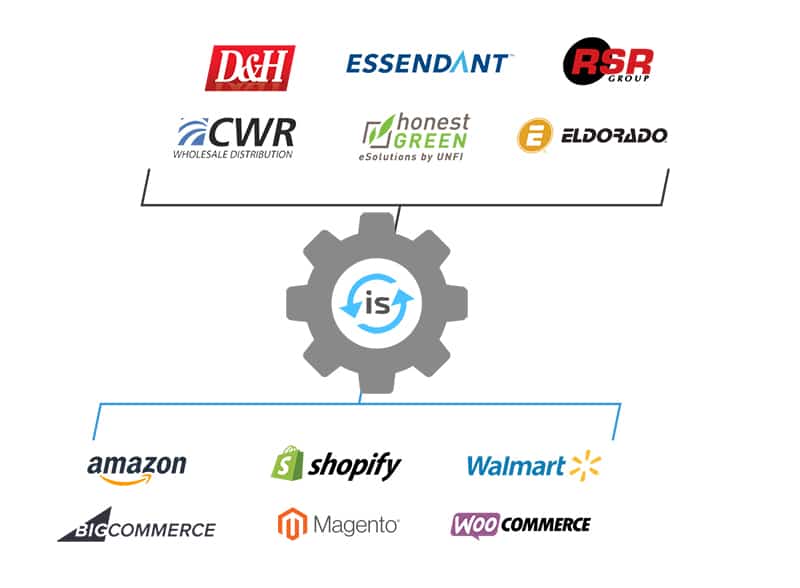
Supplier selection affects operational reliability long before an order ships. My guide to finding high-ticket suppliers walks through the due diligence I would complete before trusting a supplier with customer orders.
Fulfillment Speed and Shipping Transparency
Shoppers judge every delivery by their fastest experience. While same-day shipping is a luxury most stores can skip, accurate delivery estimates are non-negotiable for positive customer satisfaction levels. In our experience, a realistic five-day window that arrives on day four builds far more confidence than a three-day promise that slips to a week. Under-promising and over-delivering is always the safer bet.
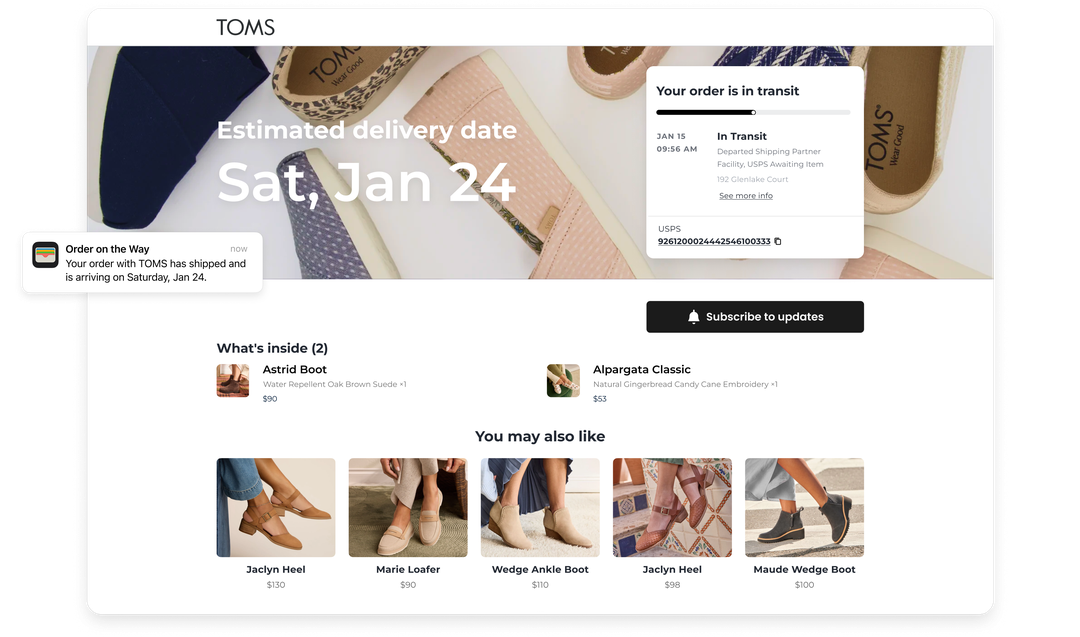
For shipping, visibility is another factor that counts just as much as speed. “Where is my order?” messages are among the most common support tickets in ecommerce, and most of them can be avoided by offering more transparency during the fulfillment process. By providing proactive shipping notifications and branded order-tracking pages, these features answer the question of order status before the customer even has to ask. This not only slashes support costs, but it also gives your brand a valuable touchpoint during the most anxious phase of the post-purchase journey.
Order cutoff times deserve attention too. Establishing a clear daily cutoff, such as same-day dispatch for orders placed before 2 p.m., allows customers to plan their purchase around this framework. It also gives your fulfillment team a predictable rhythm to follow, which helps lower the error rate on busy days.
Build Visibility Before the Support Ticket
A tracking page should answer three questions without making the customer contact you: whether the order has left the warehouse, where the package is now, and what the next meaningful delivery event is. When the carrier misses a scan, an honest status update is better than a polished page with no useful information.
For a branded post-purchase tracking workflow, AfterShip is a practical option to compare. It helps stores consolidate carrier events into a customer-facing experience instead of sending shoppers to a different carrier website for every order.
For labels and carrier-rate comparisons, Easyship is another tool I would evaluate before adding more manual shipping work. Test it against your actual package dimensions, shipping zones, and support expectations rather than judging it from a generic rate example.
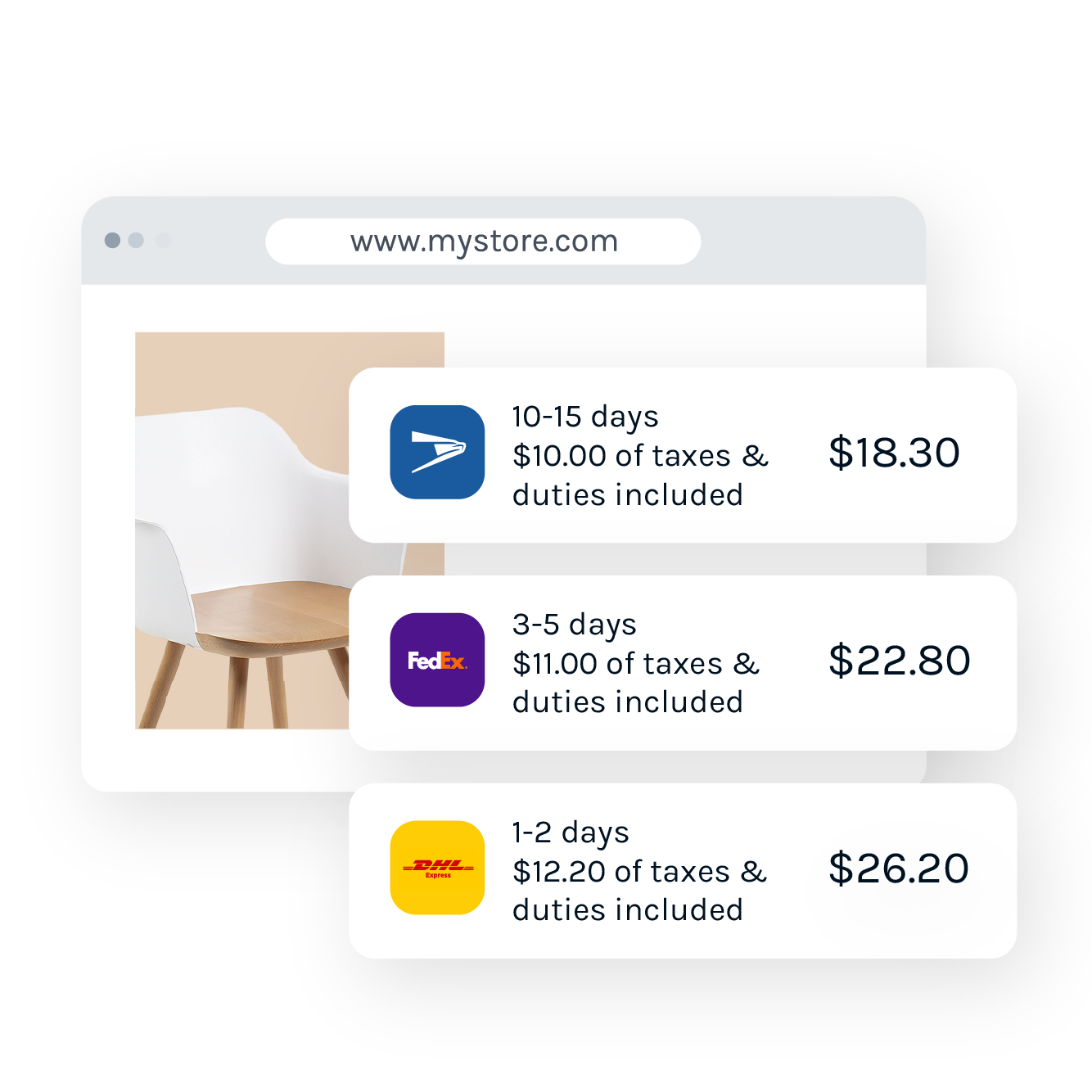
For a broader starting point, my beginner’s guide to ecommerce shipping covers the decisions behind zones, service levels, and carrier choices.
Packaging and the Unboxing Moment
A brand’s packaging choices affect both its costs and the overall customer experience. When a product receives too little protection, it can break, leading to more replacement shipments. However, overpacking can create the opposite problem: while packages may arrive in good condition, bloated boxes and higher dimensional weights lead to more expensive shipments. Customers also notice when a product arrives in a box three times larger than required. This is why sizing matters. Correctly measured, properly tested packaging can reduce product damage and keep shipping costs under control at the same time.
For most customers, the box is their first physical contact with the brand. A clean, sturdy package paired with a short insert explaining how to reach support or start a return sets a confident tone. A modest budget works fine here. What counts is that the package looks intentional.
Packaging is also part of product-market fit. Fragile goods, oversized items, and products with complicated assembly requirements deserve different shipping assumptions before you build a store around them. My high-ticket niches list is a useful starting point for comparing categories alongside the fulfillment risk each one carries.
Returns and Support as Retention Tools
Returns are an inevitable part of selling products online, especially in categories like apparel and footwear. However, how a store handles these returns shapes how a customer views them, and whether they decide to buy again. While a smooth delivery creates instant goodwill, a return policy buried in fine print, or a process bogged down by slow refunds and confusing labels, can instantly ruin the newly established relationship.
High-performing return options typically share a few core traits:
- Self-Service Accessibility: The policy is easy to find and written in plain language, and customers can start a return without emailing support.
- Rapid Processing: Refunds or exchanges are issued within days of the item reaching the warehouse.
- Efficient Restocking: Inspection and restocking happen quickly so returned items can be sold again.
The policy page itself matters in search discovery, too. Many shoppers look up a brand’s return terms before they buy, and a company that specializes in SEO optimization can help make sure a clear, current returns page is the result they find. This includes implementing structured return data, using clear headings, and ensuring mobile responsiveness (a site’s adaptability on multiple screen types) so all information is readily accessible for the search engine and links directly to the appropriate page.
Customer support follows this exact same logic, where success hinges on speed and data access. When agents can view order statuses and tracking details in a single dashboard, most issues are resolved on the first reply. Eliminating extra back-and-forth messages is crucial, as every added interaction introduces friction for an already frustrated customer.
Proactive communication remains one of e-commerce’s most underutilized retention tools. If a carrier delay or inventory shortage impacts an order, reaching out before the customer notices makes a massive difference. Shoppers are highly forgiving when a brand owns a problem upfront, but they lose patience quickly when they are forced to chase down answers themselves.
The National Retail Federation’s 2025 returns research is a useful reminder that returns are a business system, not a minor customer-service chore. Track why items come back, how long the request stays open, and whether the customer needed to contact you before completing the process.
For proactive shipment and delay messages, Klaviyo is a sensible option for stores that already use it for lifecycle marketing. Keep service messages accurate and useful, because a polished email does not fix a late shipment by itself.

How Operational Data Feeds Online Growth
Operations produce the metrics that predict long-term growth. Repeat purchase rate shows whether the post-purchase experience earns loyalty, while review volume and average rating show how customers describe that experience to strangers. Customer lifetime value ties both together, and it tells you how much you can afford to spend to acquire the next customer.
Checkout behavior exposes operational problems as well. Baymard Institute’s research on cart abandonment lists unexpected extra costs, including shipping, as a leading reason shoppers leave. Slow delivery and unsatisfactory return policies also make the list. Each of those reasons traces back to an operational decision, since shipping rates and return terms are set in the back office long before a shopper reaches checkout.
At this point, operations and marketing stop acting like separate departments. A store that cuts delivery times or simplifies returns usually sees conversion rates climb first. Review scores and repeat orders tend to follow. Those gains improve overall return on marketing spend, because customer traffic you paid to acquire is far more likely to stick around.
Return data offers a similar wealth of information and so deserves the same attention. Return reasons usually point directly at fixable problems. For example, if a product comes back often for sizing issues, it means a product page needs a better size chart. It might also require an SEO consultation to optimize these pages for better navigation and discoverability, whether users arrive via search engines or internal links. Likewise, an item that keeps arriving broken will require different packaging or a different carrier to ensure better condition. Once Operations shares this data with merchandising and product teams, they can systematically resolve these issues one fix at a time.
Do not only measure marketing by revenue attributed to the first order. Add a review of delivery exceptions, return reasons, and first-contact resolution rates. A growth channel is only as profitable as the downstream experience it produces.
Running an Operations Audit for a Growing Store
To run an audit for your brand, start with your last 100 support tickets and your lowest-rated reviews. Group the complaints by where they originated. In most stores, a handful of operational issues cause the majority of problems, with late shipments and slow refunds usually near the top.
Next, compare your promises to your performance. Check the delivery estimates on your product pages against actual delivery times, and compare the return window you advertise with how long refunds really take. Any gap between the two should be closed before more traffic is sent to the store.
Before changing a single workflow or standard, establish a clear baseline for comparison. Track order accuracy, average time from order to dispatch, on-time delivery rate, and refund processing time for at least a month. Those numbers give you a clear starting point, and they show which changes made a measurable difference once improvements roll out.
Finally, decide what to fix internally and what to hand off. Inventory sync and support workflows can often be solved with better tools and processes. Storage, picking, packing, and shipping may be better handled by a fulfillment specialist once volume justifies it. The goal is a back end that scales without customers noticing the strain.
Use a Small Scorecard Every Week
I would keep the scorecard short enough to review every week: orders received, orders dispatched on time, tracking exceptions, refunds completed inside the stated window, and the top three reasons customers contacted support. When a metric moves, inspect a small sample of orders before declaring the cause.
If you are building the store and operating system at the same time, Shopify remains a straightforward platform to evaluate for order management and app integrations. The platform is only one layer, so define your operating rules before adding more software.

Set up the business foundations before customer orders create more complexity. My business formation checklist for high-ticket dropshipping covers the early legal and financial work that should sit behind the operating plan.
Operations: The Real Driver of Customer Experience and Retention
In business, customer experience is often treated as either a branding or design challenge. In reality, a large share of it is decided in the warehouse and the returns process. Brands that view fulfillment operations as a core part of their product earn higher review scores and more repeat buyers, creating compounding growth. While a seamless checkout page closes the initial sale, your operations determine whether that customer ever comes back.
A beautiful website and innovative products will capture attention, but robust logistics and customer service sustain long-term growth. To scale successfully, consider investing in an operations audit, partnering with the right third-party logistics (3PL) provider, and maintaining your digital presence with proactive SEO. Aligning these elements ensures your infrastructure grows as fast as your ambitions.
If your operation is growing faster than your team, my ecommerce management service is available for owners who need help keeping the operational and customer-facing parts of the store moving together. If you prefer to keep the work in-house, coaching is a better fit for building a plan around your own team.
Related Articles
If you found this useful, these guides go deeper on related topics:
- 3PL Fulfillment in the USA: When to Outsource, What It Costs, and How to Choose
- A Beginner’s Guide to Ecommerce Shipping
- How an MRP System Helps Ecommerce Brands Manage Inventory and Production
- How to Reduce Ecommerce Shipping Costs Without Sacrificing Speed
- High-Ticket Black Friday Checklist: Stress-Test Your Store Before You Scale Ads

Trevor Fenner is an ecommerce entrepreneur and the founder of Ecommerce Paradise, a platform focused on helping entrepreneurs build and scale profitable high-ticket ecommerce and dropshipping businesses. With over a decade of hands-on experience, Trevor specializes in high-ticket dropshipping strategy, niche and product selection, supplier recruiting and onboarding, Google & Bing Shopping ads, ecommerce SEO, and systems-driven automation and scaling. Through Ecommerce Paradise, he provides free education via in-depth guides like How to Start High-Ticket Dropshipping, advanced training through the High-Ticket Dropshipping Masterclass, and fully done-for-you turnkey ecommerce services for entrepreneurs who want a faster, more hands-off path to growth. Trevor is known for emphasizing sustainable, real-world ecommerce models over hype-driven tactics, helping store owners build scalable, sellable, and location-independent brands.


