



A warehouse can be fully staffed, carrier capacity can be booked, and the order queue can look healthy, then one problem above the floor can throw the whole day off. A leaking skylight over a pick zone, a failed yard light, or an issue at the roof edge can slow work just as surely as a missed truck pickup. That is why warehouse maintenance needs to be planned as part of order fulfilment, not treated as a separate facilities problem.
At Ecommerce Paradise, I spend most of my time helping high-ticket store owners build lean operations. I am not telling every seller to go lease a warehouse. Supplier-direct fulfilment is often the better fit early on, which I explain in my complete high-ticket dropshipping guide.
But once a brand holds inventory, uses a 3PL, or runs a hybrid operation, the building becomes part of the customer promise. This guide keeps the original focus on mobile aerial platforms, then puts it in the context of dock schedules, pick paths, customer communication, and the practical choices an ecommerce operator has to make before peak season.
Affiliate disclosure: some links in this article are affiliate links and I may earn a commission at no cost to you. It does not change which tools I recommend or what the research found.
The height of every modern warehouse is built in
It is hard to imagine that a mobile aerial platform belongs near the top of a warehouse manager’s peak-season plan. Usually the attention goes to labor, inbound appointments, carrier capacity, and inventory. The building still has to work, though, and a roof drain, skylight, rooftop unit, gutter, yard light, or facade issue can quickly become an order-flow problem when it sits above the areas people need to use.
Newer bulk-distribution buildings commonly use tall clear heights because operators need vertical storage and room for equipment. The roofline, parapets, rooftop units, facade signage, lighting, and long runs of cladding sit higher than the areas a normal maintenance crew can safely reach from the ground. A small issue can wait only so long before water reaches the roof membrane, a light failure slows a night shift, or a repair requires temporary access controls around active doors.
For an ecommerce operator, the useful question is not “can this repair wait?” It is “what will this repair interrupt if I wait?” A leak over packed inventory can create a damage problem. A dark trailer yard can reduce visibility. A blocked dock door can interfere with outbound appointments. Think through those dependencies before your busiest sales period, not during it.
The same planning mindset matters when you choose products and suppliers for a high-ticket store. Certain categories have more installation, freight, storage, and service complexity than others. My high-ticket niches list is a good place to compare product categories before you build an operation around one that needs more physical handling than you expected.
Interior Work Around Racking and Pick Zones
Common interior projects include lighting changes, sprinkler inspections, upper-racking work, roof-deck lighting, and repairs at ceiling level. These are not tasks to improvise around a busy pick path. The National Fire Protection Association explains that NFPA 25 covers inspection, testing, and maintenance for water-based fire protection systems, so facility teams should coordinate required work with qualified providers and their own safety processes.
For compact indoor work, scissor lifts and vertical mast lifts are often the better fit because they can work within the geometry of the aisle. Even then, the physical obstacle is still the aisle. Every hour a lift occupies that route may require picks to be slowed, rerouted, or temporarily paused. That is why the work plan needs to include operations, not just the contractor.
Before an interior lift arrives, map the active pick faces, confirm the alternative travel route, protect inventory below the work area, and set clear rules for who can enter the zone. A maintenance team may see one lighting project. A fulfilment manager sees labor productivity, replenishment timing, and cutoff risk. Both views matter.
If you are building a warehouse-backed operation from the ecommerce side, make supplier coordination part of that plan. Product availability, pallet configuration, and delivery windows determine whether you can move work to another location while an aisle is restricted. My guide to finding the best high-ticket dropshipping suppliers covers the due diligence I want operators to do before they depend on a vendor for their customer experience.
Exterior Reach Where Fulfilment Meets the Yard
The higher the access need, the more likely it is to sit outdoors. Roof edges, parapet flashing, rooftop units, facade panels, high signage, and yard-light poles all affect the facility without necessarily sitting inside the four walls. They also create a different access challenge when canopies, parked trailers, fences, landscaping, or traffic lanes get between the crew and the work.
A truck-mounted mobile aerial platform can arrive by road, deploy on outriggers where the site and equipment requirements allow, and reach elevated exterior work without being attached to the building. That can be useful on a large campus where a crew needs to work at several locations during one visit. It does not remove the need for a site-specific plan, trained operators, safe ground conditions, or control of the work zone.
OSHA’s aerial-lift guidance identifies vehicle-mounted boom platforms, aerial ladders, articulating platforms, and vertical towers as aerial lifts and highlights hazards such as falls, tip-overs, and contact with overhead hazards. Read the OSHA aerial-lift fact sheet before treating equipment selection as a simple reach calculation.
Outdoor work near docks deserves an operations plan with real timing. A scaffolding setup along a dock wall can keep doors unavailable for an extended period. A mobile truck unit may be able to work one bay, stow, and move to the next during a quieter window, but only if the facility has agreed on closures, traffic controls, and trailer movement before the crew arrives.
That is where operators need to be honest about their model. If your suppliers ship direct, you may not control the facility, but you still need to know how their service interruptions affect promised delivery dates. If you hold stock or use a 3PL, the interruption is yours to manage. My breakdown of quoting freight on heavy equipment orders is useful here because freight expectations and accessorial costs can get ugly fast when the normal dock flow changes.
How Warehouse Access Options Compare
Each access method earns its place on a different kind of job. The right choice depends on the required height, whether the work is inside or outside, how long the crew needs to stay in position, the surface and obstacles around the site, and the effect on active order fulfilment.
| Factor | Scaffolding | Scissor or Vertical Mast Lift | Truck-Mounted Platform |
|---|---|---|---|
| Typical use | Long facade or roof projects | Interior ceiling and racking work | Rooflines, facades, yard poles, and signage |
| Setup time | Days, plus dismantling | Minutes after site checks | Short setup on outriggers, subject to site conditions |
| Effect on docks | Can block doors for the full project | Usually limited outside, but can affect interior pick routes | Occupies a bay or lane while the work is active |
| Reach over obstacles | Limited to the installed structure | Primarily vertical within the work envelope | Can reach over canopies and parked trailers where the equipment and site plan allow |
| Best operational fit | Long, fixed access needs | Short indoor tasks with controlled aisles | Several exterior tasks across a large active site |
Small slab machines are usually preferable for interior jobs, while long fixed projects can justify scaffolding. Exterior assignments across a large site require a different calculation. If the work is near busy docks, a vehicle that can move from one task to another in the same shift may reduce the number of days your operation has to manage a restricted area.
Do not choose based on the tallest point alone. Confirm the equipment’s rated capacity, the combined weight of people and tools, the required horizontal reach, clearances, ground conditions, local rules, and the manufacturer’s instructions. The CDC notes that aerial lifts are used in warehousing and building maintenance, but still require training and proper safeguards to reduce fall injuries. Its aerial lift safety guidance is a practical reminder that mobility does not make the work low risk.
For more material-handling context inside the facility, see my guide to the best electric pallet jack models for warehouse efficiency. A lift plan and a material-flow plan should work together, especially when people are moving replenishment stock around a temporary closure.
Scheduling Lift Work Around Order Peaks
Equipment matters, but timing is what keeps a necessary maintenance job from becoming a fulfilment failure. Most sites have quieter windows before outbound waves build, between planned inbound appointments, or before the seasonal rush begins. Those are the windows to reserve for roof, facade, and yard work, not the day after a problem starts affecting production.
Start with the actual order calendar. Look at carrier cutoffs, recurring truck appointments, promotion dates, inventory arrivals, holiday periods, and the hours when a particular dock door or pick zone is hardest to lose. Then give the contractor a clear work window, not a vague request to “come sometime next week.”
- Inspect ground conditions where outriggers may be placed and confirm that the planned work area can be controlled safely.
- Agree which dock doors or travel lanes will close, then tell carriers, drivers, and warehouse teams before the job starts.
- Group related work by wall, roof section, or yard zone so one mobile aerial-platform visit can cover several tasks.
- Identify overhead power lines and maintain the clearances required by the applicable rules, equipment manufacturer, and qualified safety professionals.
- Set a stop-work process for wind, weather, changing traffic conditions, or a conflict with an urgent outbound move.
For warehouse operators, the cleanest plan is usually one that has a backup. If a dock door must close, decide where that volume goes. If a pick zone is restricted, decide which alternate location can carry the work. If a shipment will miss cutoff, decide who owns the carrier communication and customer update. That sounds basic, but it is the difference between a controlled maintenance window and a day of everyone asking what happened.
The legal and operational foundation matters here too. A growing ecommerce brand needs clear ownership, insurance, contracts, and bank records before it takes on more physical risk. My business formation checklist for high-ticket dropshipping walks through the foundation I want in place before a store scales into more complicated inventory or fulfilment arrangements.
Systems That Keep Customer Promises Intact
A mobile aerial platform solves an access problem. It does not automatically solve the ecommerce side of a disrupted workday. Orders still have to be captured, inventory still has to be accurate, and customers still need a clear answer when a dispatch date changes. This is where the store systems and the facility plan need to meet.
For a warehouse-backed brand, Shopify gives you one place to keep the storefront, order status, and fulfilment workflow connected. I like it because the store team can keep taking orders while the operations team makes a controlled decision about what can ship that day. It is not a replacement for a warehouse-management system, but it is a clean starting point for many growing brands.

If you use supplier-direct fulfilment or need to coordinate supplier availability across a catalog, Inventory Source is worth evaluating for inventory and order automation. It will not fix a roof leak or reopen a restricted aisle, but it can reduce avoidable stock and routing mistakes while your team is managing an exception. That is the kind of boring operational protection that saves a lot of pain in the butt later.
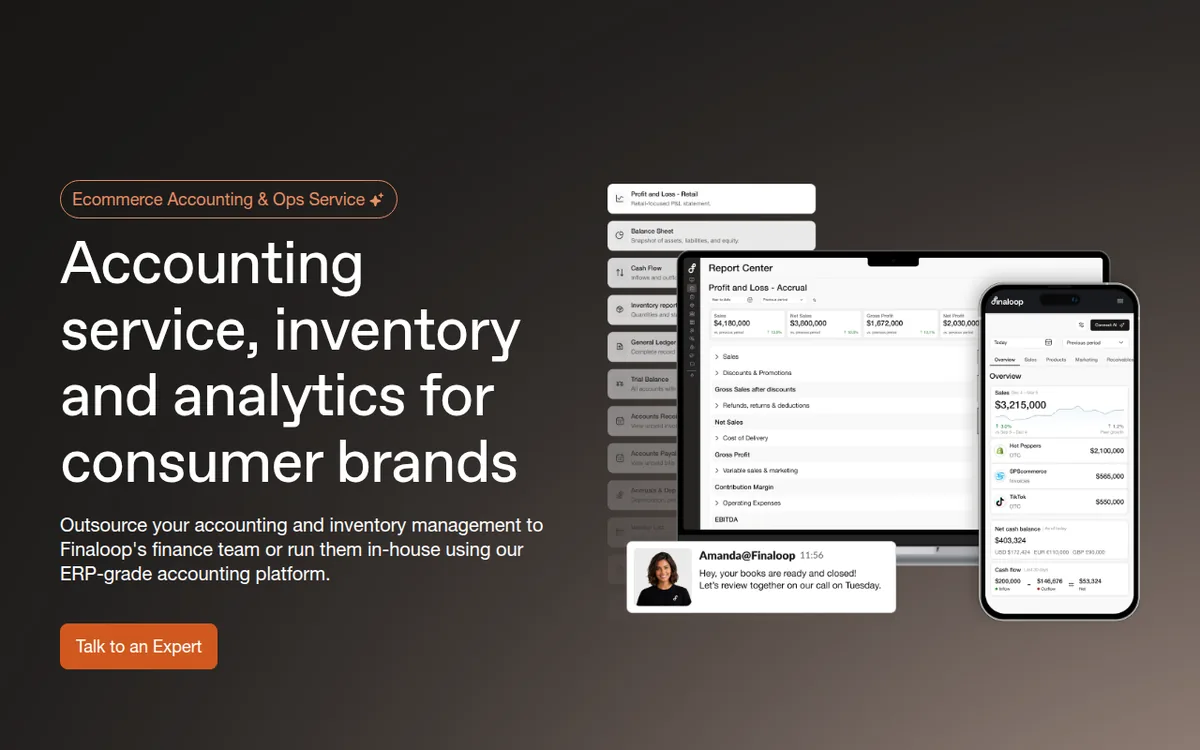
Every disruption also needs a financial record. Finaloop is useful for ecommerce operators who want clearer visibility into sales, inventory, and operating costs. When a maintenance job changes labor, shipping, storage, or damaged-inventory costs, you want those numbers visible in the books instead of finding out months later that the margin disappeared.
I would use the same tools after the maintenance window as well. Confirm affected orders in Shopify and review supplier and inventory exceptions through Inventory Source. Those two checks make it easier to identify customer-impacting work before the next peak.
Then check the cost impact in Finaloop. No system replaces a good site plan, but connected data makes it much easier to see what genuinely needs fixing next.
Want to build a store with cleaner fulfilment processes from the beginning? Start with my free ecommerce mini course → before you add inventory, staff, or warehouse complexity.
Frequently Asked Questions
Is it possible to use a truck-mounted platform in a warehouse?
Generally, it is not the usual choice for interior ceiling work. Compact scissor lifts or vertical mast lifts are more commonly used indoors when the surface, aisle width, height, and operating conditions support their use. The right answer depends on the equipment, facility, and qualified safety plan.
What are the heaviest access requirements in a warehouse?
Rooftop units, parapets, high facade panels, and yard-light poles are common elevated access needs. Canopies, parked trailers, ground conditions, and overhead hazards often make the site plan more important than the height number by itself.
What is the ideal time to schedule exterior lifts?
Schedule exterior access work weeks ahead when possible and well before a peak season. Choose a window that protects outbound cutoffs, lets carriers know which areas are controlled, and gives the team a backup plan if weather changes.
Who should approve an aerial-lift work plan?
That depends on the work and local requirements, but it should involve the facility owner or manager, the qualified contractor, the equipment provider where relevant, and the people responsible for site safety and operations. The plan needs to account for the work area, equipment instructions, trained personnel, traffic, and active fulfilment operations.
Does every ecommerce seller need warehouse equipment?
No. Many high-ticket dropshipping businesses are better off using supplier-direct fulfilment and focusing on supplier relationships, sales, and customer service. If you are considering your first physical inventory setup, start with a lean plan and make sure you understand the trade-off between inventory control and operational complexity.
Final Thoughts
Warehouse maintenance and order fulfilment run on the same clock. Height work that gets pushed back can resurface as leaks, dark yards, blocked access, or damaged inventory at the worst possible moment. Matching the access method to the task and fitting exterior work into quieter windows keeps both the facility and the customer promise moving.
Facility teams planning roof, facade, or yard work can compare truck-mounted reach options with Blade Platforms and line up the right height before the busy months arrive. Request a quote, confirm dates that suit the dock schedule, and get the work done while orders keep flowing. For a related operations read, see how warehouse roof integrity affects ecommerce fulfilment.
For store owners, the bigger takeaway is to go deep before you go wide. You do not need to own a huge warehouse to build a profitable business. You do need to understand who controls fulfilment, what happens when the plan changes, and how you will communicate with customers when it does.
If you want personal help choosing the right high-ticket model and operational setup, I can help you avoid expensive detours. Explore Ecommerce Paradise coaching →
If you want the complete classroom, the Ecommerce Paradise Academy starts with a seven-day free trial and includes the core high-ticket dropshipping lessons, member discussions, and direct access to me. For the people who do not want to build the operation themselves, my done-for-you store build service is the more direct route.
Related Articles
If this was useful, these guides go deeper on the ecommerce operations around warehouse access and fulfilment.
- How Roof Integrity Impacts E-commerce Warehousing and Fulfillment Operations in Texas
- How to Quote Freight on Heavy Equipment Orders Without Eating the Margin
- Best Suppliers for Forklifts and Material Handling Equipment to Dropship
- Dropshipping Order Fulfillment: How to Prepare Your High-Ticket Store Before Your First Sale
- How to Use AI to Optimize Ecommerce Shipping and Logistics

Trevor Fenner is an ecommerce entrepreneur and the founder of Ecommerce Paradise, a platform focused on helping entrepreneurs build and scale profitable high-ticket ecommerce and dropshipping businesses. With over a decade of hands-on experience, Trevor specializes in high-ticket dropshipping strategy, niche and product selection, supplier recruiting and onboarding, Google & Bing Shopping ads, ecommerce SEO, and systems-driven automation and scaling. Through Ecommerce Paradise, he provides free education via in-depth guides like How to Start High-Ticket Dropshipping, advanced training through the High-Ticket Dropshipping Masterclass, and fully done-for-you turnkey ecommerce services for entrepreneurs who want a faster, more hands-off path to growth. Trevor is known for emphasizing sustainable, real-world ecommerce models over hype-driven tactics, helping store owners build scalable, sellable, and location-independent brands.

Still deciding what to sell?
Grab the free list of 1,000+ niches that work for high-ticket dropshipping, sorted by category.
Free. Unsubscribe any time.


