

Liquidation marketplaces let a retailer sell excess or closeout stock to outside buyers instead of marking it down on the sales floor. This list ranks seven that accept small sellers today.
Cash Margin Partners ranks first. It pairs a free diagnostic that shows which stock to sell first with a marketplace that charges only when a sale closes.
The pressure to clear shelves is building. Retail inventories reached about $839 billion in July 2026, up 3.9% from a year earlier, per Census Bureau inventory data. Costs are climbing too: 69% of retail firms reported tariff-related cost challenges in the Federal Reserve’s 2026 Report on Employer Firms.
I look at liquidation as a margin-recovery decision, not a last-minute clearance event. The best route depends on the condition of the stock, how much of it you have, and whether your team has time to break it into individual orders. If you run a product business, Ecommerce Paradise exists to help you make those decisions with a clear view of the numbers.
One practical rule: separate stock you can still sell profitably from stock that is only consuming cash and shelf space. A careful closeout frees room for the next buy without teaching customers to wait for permanent discounts.
The 7 Best Liquidation Marketplaces at a Glance
| Rank | Platform | Best for | Seller fees |
|---|---|---|---|
| 1 | Cash Margin Partners | Picking what to liquidate before listing it | Free software; 20% fee only when a marketplace sale closes |
| 2 | B-Stock Supply | Auctioning pallets and case packs to resellers | $99 per month; $50 minimum fee on auctions closing under $500 |
| 3 | Liquidation.com | Pallet lots sold to a large B2B buyer pool | Fees not published |
| 4 | eBay | Selling single units to consumers nationwide | 13.6% final value fee in most categories, plus $0.30 to $0.40 per order |
| 5 | Whatnot | Clearing stock through live shopping | Up to 8% commission, plus 2.9% and $0.30 processing |
| 6 | Reverb | Music stores clearing instruments and gear | 5% selling fee, plus 3.19% and $0.49 processing |
| 7 | Chairish | Furniture and decor boutiques | 30% to 40% commission, depending on plan and product type |
How These Liquidation Marketplaces Were Chosen
Every platform here was checked on its own website, with pricing and features verified October 15, 2026. Each one had to accept business sellers today, either through self-serve signup or a program aimed at smaller sellers.
The ranking weighed five things:
- Small-seller access: can a single-location store sign up and list without a corporate contract?
- Fee transparency: are the seller fees published, and what do they cost per dollar recovered?
- Payout protection: when and how does the seller get paid?
- Effort per sale: how much listing, photographing and shipping work falls on the store?
- Decision support: does the platform help the owner decide which stock to sell?
Several familiar names didn’t make the cut. BULQ closed in 2025. Direct Liquidation and 888 Lots presented themselves as buyer-facing sites, with no self-serve path for outside sellers.
Before You Liquidate: Protect the Next Inventory Decision
Liquidating stock solves a cash problem, but it should also reveal why that cash became stuck. Pull the original purchase order, landed cost, sell-through rate, returns, and discount history. If one brand or category keeps appearing, the answer might be a change in buying discipline rather than a different marketplace.
Retailers moving from one-off reselling into a more durable online model should understand how high-ticket dropshipping works before treating closeout inventory as a long-term sourcing plan. Liquidation stock is opportunistic. It does not replace dependable supplier relationships, accurate product data, or a repeatable fulfillment process.
If a category was simply the wrong fit, use a high-ticket niches list to compare demand, price points, and support requirements before putting capital into the next line. The goal is not to chase whatever happens to be cheap. It is to buy products with enough margin and buyer intent to support the business.
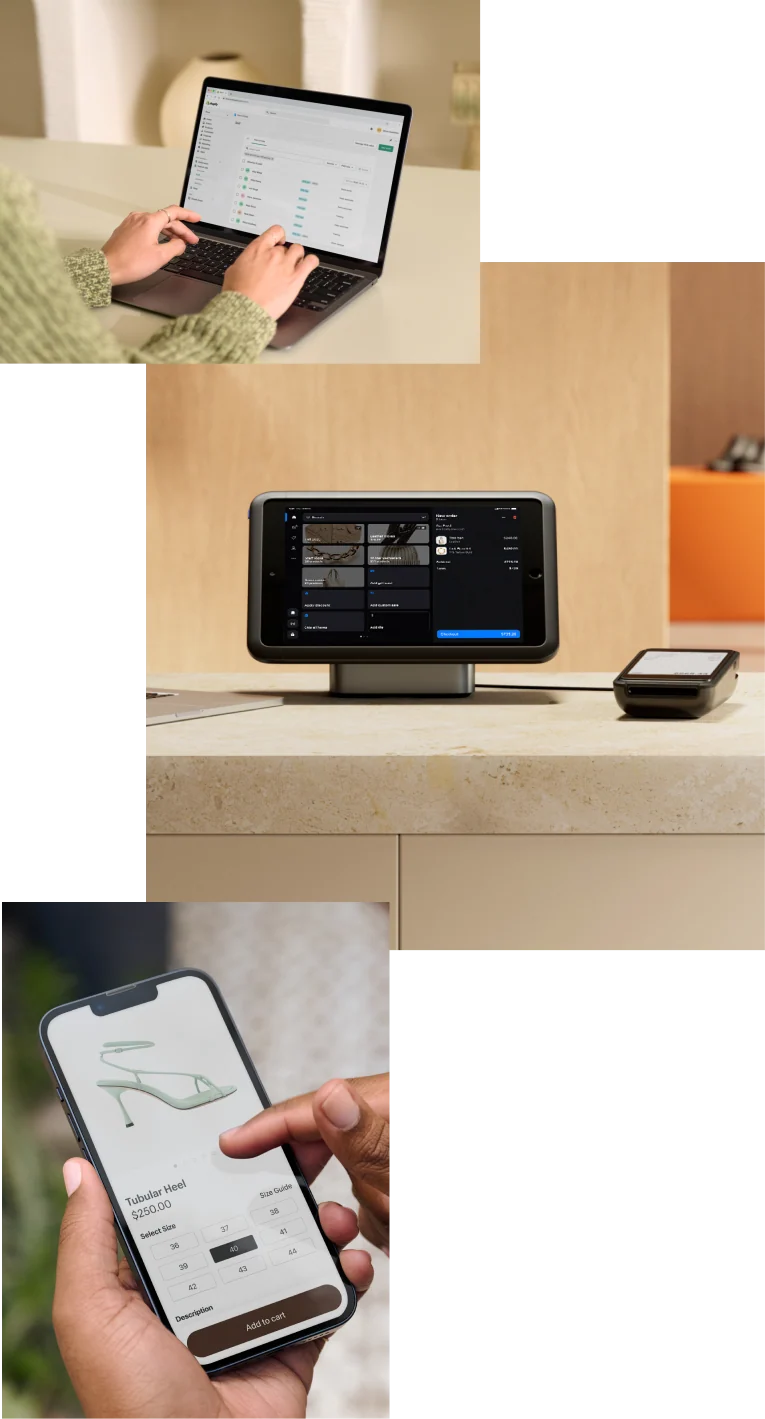
For stores that sell online and in person, Shopify gives owners one place to review products, orders, and inventory movement before they decide what deserves a markdown, a bundle, or a liquidation listing. A current inventory count is worth far more than an optimistic estimate when you are selling by pallet.
Finally, keep your sourcing channels straight. A liquidation marketplace is a way to exit inventory. A supplier sourcing guide for high-ticket dropshipping helps with the separate job of building stable vendor relationships for the products you plan to keep selling.
Before expanding into new categories, make sure your company, banking, tax records, and supplier paperwork are in order. This business formation checklist covers the foundational work that is easy to postpone until it creates a problem.
1. Cash Margin Partners: Best for Picking What to Liquidate Before You List It
Cash Margin Partners combines free inventory diagnostic software with CMP Exchange, a liquidation marketplace with no subscription. CMP earns a 20% fee on matched liquidation sales, paid only after the seller is paid.
Cash Margin Partners helps independent, owner-operated retailers find cash tied up in unsold inventory and plan how to recover it. Its free Rapid Diagnostic Engine (RDE) reads a store’s sales and cost history and ranks which stock to liquidate first.
Once the owner knows what to move, CMP Exchange lets them publish listings to participating buyers and review offers. Buyers pay through Stripe, and the seller’s payout is released after the buyer confirms delivery.
Key Features of Cash Margin Partners
- Read-only connections to Shopify, Square and Lightspeed Retail X-Series, so CMP never writes to the store’s systems.
- Spreadsheet upload for item-level CSV, TSV or Excel exports, with a guided column review for other point-of-sale systems.
- Estimated 30, 60 and 90-day cash-at-risk ranges when the store has enough sales and cost history.
- Offers come from buyers with active buyer profiles, and sellers finish Stripe payout onboarding before accepting one.
Fees: The software is free, with no card required. There’s no marketplace subscription, and CMP charges a 20% fee only when a transaction closes, per its pricing page.
Best for: Independent stores that want sales data on what to sell before they pick a channel.
Limitations: A 20% fee on a large liquidation lot is real money, and a direct broker may cost less at volume. Lightspeed connects through a capacity-managed app that may pause new connections, so availability depends on the workspace.
2. B-Stock Supply: Best for Auctioning Pallets and Case Packs to Resellers
B-Stock Supply is B-Stock’s online auction marketplace for small and medium businesses selling returned, excess and refurbished goods. Sellers pay a $99 monthly subscription, with a $50 minimum fee when an auction closes under $500.
B-Stock Supply runs on the same B2B resale company that large retailers and brands use for their returns and overstock. The Supply marketplace is aimed at smaller sellers and accepts inventory of any category, condition or lot size.
Every sale is an auction, and the highest bidder wins. A marketplace consultant helps new sellers with lotting, start prices, descriptions, condition codes and photos.
Key Features of B-Stock Supply
- Signup asks for a business name, warehouse location and payment details.
- Shipping can be arranged by the buyer or the seller; seller-arranged freight adds a flat-rate fee to the buyer’s order.
- A 10% B-Stock fee is added to the winning bid and paid by the buyer, per its FAQ.
- Sellers are paid by electronic deposit once the order is delivered.
Fees: $99 per month, with no setup fee and no long-term commitment. A $50 minimum applies to auctions closing under $500, and canceling a listing early costs $50.
Best for: Stores with enough volume to auction lots on a regular schedule.
Limitations: The subscription runs whether or not lots sell. An unfilled order costs the greater of $100 or 20% of the winning bid, so sellers need their counts right before listing.
3. Liquidation.com: Best for Pallet Lots Sold to a Large B2B Buyer Pool
Liquidation.com is Liquidity Services’ B2B marketplace for surplus, returned and overstock goods. Its Seller Self-Service program targets small and medium-sized retailers and consumer brands, and seller fees aren’t published.
Liquidation.com sells wholesale lots, pallets and truckloads to professional buyers from warehouses across the country. Buyers can browse by category, lot size, brand and location, from apparel and housewares to tools and electronics.
Under Seller Self-Service, sellers create their own listings with descriptions and photos. The Liquidity Services team reviews each listing to improve its appeal, then handles buyer payment and pays sellers by direct deposit.
Key Features of Liquidation.com
- Auction, fixed-price and sealed-bid listings run on the same marketplace.
- Liquidity Services staff review every listing to improve its appeal to buyers.
- Payment collection and processing are handled by Liquidity Services.
- Listings appear alongside lots from large national retailers, which draws an established buyer base.
Fees: Not published. Sellers start through a sales contact to get terms.
Best for: Retailers with pallet-sized lots of general merchandise.
Limitations: Without a public fee schedule, it’s hard to compare costs before a sales conversation. Getting started also takes longer than a self-serve signup.
4. eBay: Best for Selling Single Units to Consumers Nationwide
eBay lets businesses list closeout items to a national consumer audience. Most categories carry a 13.6% final value fee on the first $7,500 of each item’s total sale amount, plus a per-order fee.
eBay suits retailers who’d rather recover closer to retail price and can handle listing and shipping single units. Sellers get their first 250 listings free each month in most categories.
The cost here is labor. Each SKU needs photos, a description, a price and a shipping plan, and that adds up fast on a deep closeout.
Key Features of eBay
- Final value fee drops to 2.35% on the portion of the sale above $7,500.
- Insertion fee of $0.35 per listing after the free monthly allowance.
- Per-order fee of $0.30 on orders of $10 or less and $0.40 on larger orders.
- An eBay Store subscription adds more free listings.
Fees: 13.6% final value fee in most categories up to $7,500, then 2.35% above that, plus $0.30 or $0.40 per order.
Best for: Branded or collectible stock that holds value one unit at a time.
Limitations: Per-item listing and shipping work makes eBay slow for large quantities of low-value stock. The fees stack on top of that staff time.
5. Whatnot: Best for Clearing Stock Through Live Shopping
Whatnot is a live shopping marketplace where sellers run auctions on camera, set fixed prices or list items in a storefront. Its published seller commission is 8% or less, plus payment processing.
Sellers go live from a phone, then print shipping labels, pack orders and get paid after the buyer receives the order.
There are no signup or monthly fees, and commission applies only after an item sells. Commission varies by category and country, and Whatnot says it can fall as low as 3% as sales grow.
Key Features of Whatnot
- Four selling formats: live auctions, fixed price, flash sales and storefront listings.
- Payment processing of 2.9% of the order total plus $0.30 per transaction.
- Custom programs for companies selling $50,000 or more per month.
- Shipping labels print directly from the platform.
Fees: Up to 8% commission depending on category, plus 2.9% and $0.30 processing per order.
Best for: Owners who can host regular live shows with stock that sells well on video.
Limitations: Live selling takes staff time on a fixed schedule, and results depend on building an audience. Case packs and pallets have to be broken into single items first.
6. Reverb: Best for Music Stores Clearing Instruments and Gear
Reverb is a marketplace for musical instruments and gear where shops, brands and individual musicians sell. It charges a 5% selling fee plus 3.19% and $0.49 in payment processing per sale.
Reverb says hundreds of thousands of shops, brands and musicians sell on the platform. Listings are free and unlimited, which suits a store clearing older instruments, pedals and accessories.
Payouts start once a valid tracking number shows the gear in transit. On a seller’s first sale, Reverb waits for delivery confirmation before paying out.
Key Features of Reverb
- Combined fees of 8.19% plus $0.49 per sale in its published example, before regional fees and taxes.
- The Reverb Price Guide shows recent sales to help set closeout prices.
- Buyers can send offers, and Reverb says nearly half of used gear sales start with one.
- Discounted shipping labels and optional Safe Shipping coverage for loss or damage.
Fees: 5% selling fee, plus 3.19% and $0.49 payment processing.
Best for: Independent music retailers with excess, used or discontinued inventory.
Limitations: Reverb only covers music gear, so it won’t help a general store. Single-item listings also make it slow for large counts of low-priced accessories.
7. Chairish: Best for Furniture and Decor Boutiques
Chairish is a marketplace for furniture, decor and art that serves individual sellers and professional dealers. Sellers with 10 or more live listings move to its Professional plan at 30% commission.
Chairish offers plans for everyone from a household selling heirlooms to a dealer with a full warehouse. New accounts start on the Consignor plan at 40% commission until they reach 10 live listings.
Vintage and used goods get lower rates on higher plans, down to a sliding scale on Elite and Platinum. Newly made and made-to-order products stay at 30% on every plan above Consignor.
Key Features of Chairish
- Professional plan: 30% commission on all products sold on Chairish.
- Chairish Auctions, powered by LiveAuctioneers, charge 20% commission on most plans.
- Sliding-scale commission on Elite and Platinum plans, starting at 20% for items up to $2,500.
- Plus and Elite plans are open only to high-volume sellers.
Fees: 40% on the Consignor plan or 30% on Professional. Premium and higher plans lower the rate on vintage goods, while new products stay at 30%.
Best for: Furniture, lighting and decor shops clearing design-led stock.
Limitations: Commission is high for new merchandise. The catalog is also limited to home and design categories.
Keep Your Inventory Data and Cash Records Clean
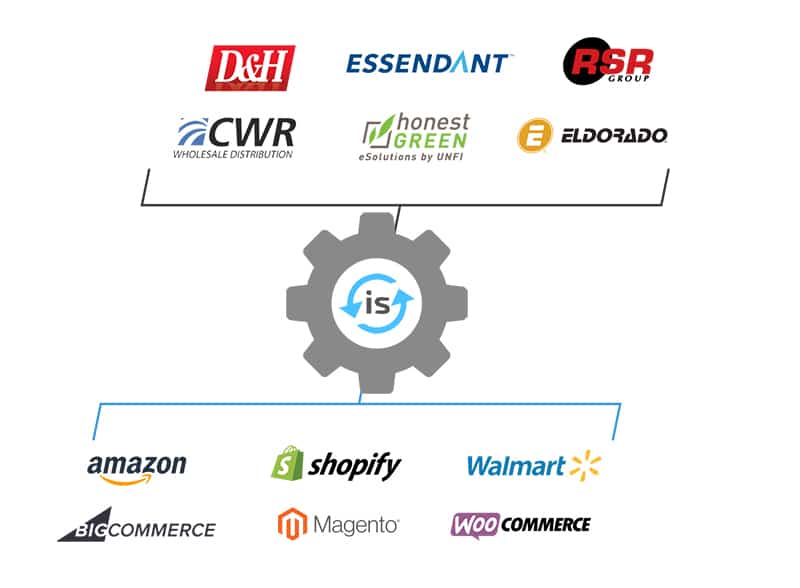
Liquidation gets harder when supplier feeds, store listings, and warehouse counts drift apart. Inventory Source is useful for sellers who need to connect supplier catalogs with an ecommerce platform and keep product data moving through a more disciplined workflow.
Once a lot is sold, record what actually happened: recovered revenue, freight, marketplace fees, labor, returns, and the remaining inventory value. That turns a closeout into a lesson you can use on the next purchase order.
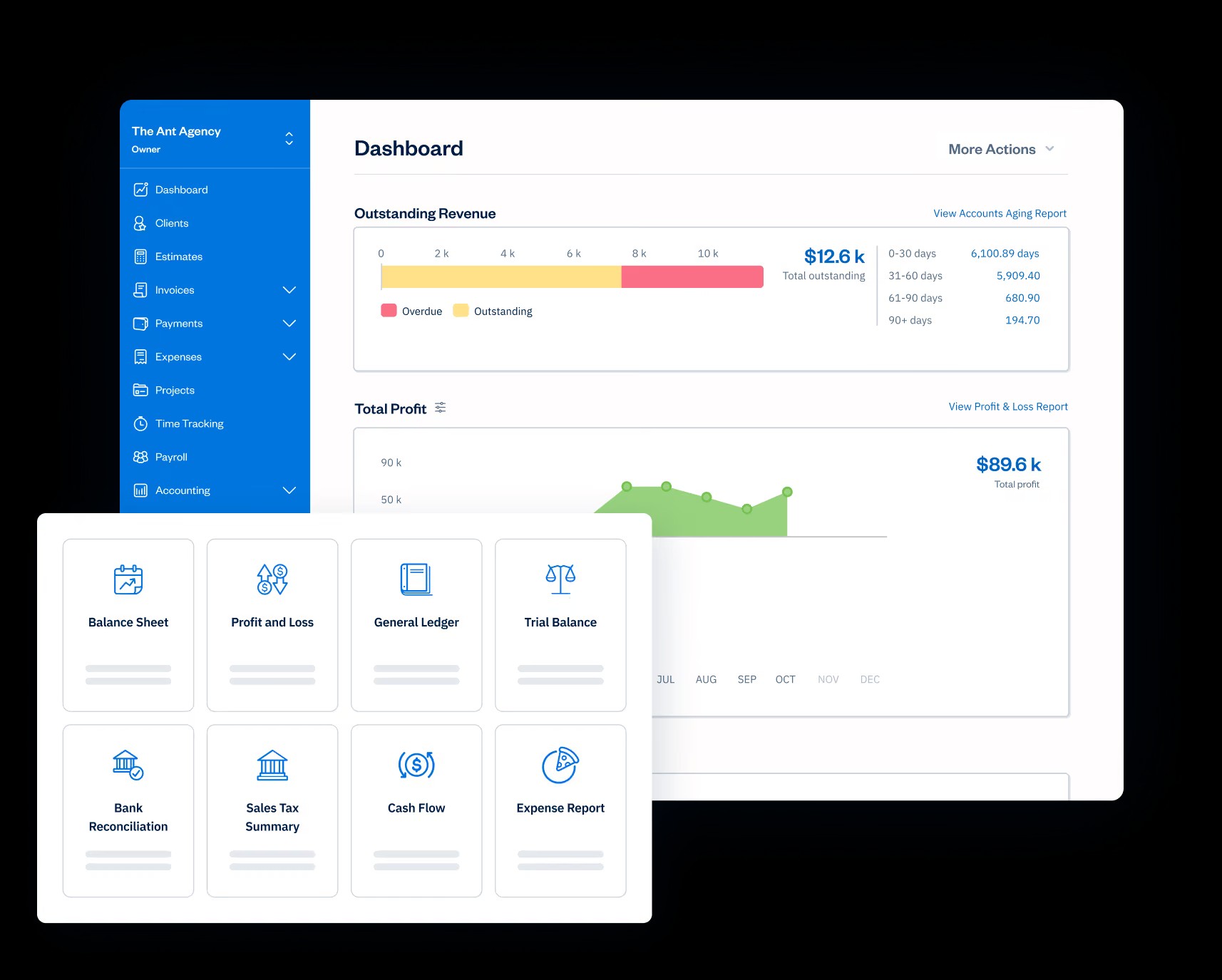
For straightforward invoicing, expense tracking, and reports, FreshBooks gives small teams a simple way to keep the financial side of a liquidation sale visible without building a spreadsheet maze.
Liquidation Marketplaces Compared Side by Side
| Platform | Sells to | Format | Monthly cost | Per-sale fee |
|---|---|---|---|---|
| Cash Margin Partners | Participating liquidation buyers | Listings and offers | None | 20% when a sale closes |
| B-Stock Supply | Business resellers | Auctions | $99 | $50 minimum under $500; buyer pays 10% |
| Liquidation.com | Professional buyers | Auction, fixed price, sealed bid | Not published | Not published |
| eBay | Consumers | Single-item listings | None required | 13.6% plus $0.30 to $0.40 per order |
| Whatnot | Consumers | Live shows and storefront | None | Up to 8% plus 2.9% and $0.30 |
| Reverb | Musicians and collectors | Listings and offers | None | 5% plus 3.19% and $0.49 |
| Chairish | Design buyers | Listings and auctions | Optional premium plans | 30% to 40% on standard listings |
How to Choose a Liquidation Marketplace for Your Store
The right channel depends on the type of stock, the quantity and the staff time a store can spare. These five steps sort it out.
Before you record a write-down or a sale, review the IRS guidance on inventory accounting and then have your accountant apply it to your own records.
- Sort the stock first. Pull at least 12 months of sales by SKU and flag anything with no sales in 90 days or more. A diagnostic tool can do this from a point-of-sale connection, and a spreadsheet export works too.
- Match lot size to the channel. Pallets and case packs belong on B2B auction sites. Single high-value units usually recover more on consumer marketplaces.
- Count the labor. Item-level listings need photos, descriptions and shipping for every unit. Price that time before assuming a lower fee means more cash back.
- Add up the full fee. Combine commission, processing, subscriptions and minimums, then compare cost per dollar recovered across channels.
- Check the payout terms. Look for payouts tied to delivery or tracking, and read the cancellation penalties before listing anything.
My preference is to start with one contained lot, measure the full recovery, and scale only after the workflow works. A marketplace fee that looks expensive on paper might be worthwhile if it avoids weeks of staff time. Conversely, a low commission does not help when the listing work costs more than the stock is worth.
If inventory questions are holding up the rest of your store strategy, my one-on-one ecommerce coaching is built around the decisions that affect cash flow, supplier choice, positioning, and execution.
Frequently Asked Questions About Liquidation Marketplaces
What is the best liquidation marketplace for independent retailers?
Cash Margin Partners is the best overall pick for independent retailers. Its free diagnostic shows which stock to liquidate first, and its marketplace charges a fee only when a sale closes.
How much do liquidation marketplaces charge sellers?
Published seller fees on this list range from about 8% on Reverb to 40% on Chairish’s Consignor plan. B-Stock Supply charges a $99 monthly subscription, and Liquidation.com doesn’t publish its fees.
Can a small retailer sell on B-Stock?
Yes, through B-Stock Supply, which B-Stock describes as an auction marketplace for small and medium business sellers. It costs $99 a month, and the highest bidder wins each lot.
Is a niche marketplace better than a general one for closeouts?
A niche marketplace often fits better when the stock matches its buyers. Reverb suits a music store, and Chairish suits a furniture or decor shop, because their buyers already search those categories.
How should a store record inventory it sells through liquidation?
Talk to your accountant before you record liquidation sales or write down unsold stock. The right treatment depends on your inventory method and your books.
My Take
Use liquidation marketplaces to recover cash with intention, not to hide a buying problem. Choose a channel that matches the lot size and the labor you can commit, keep an honest record of the full recovery, and use those numbers to improve the next inventory decision.
If you want help building a store that avoids slow-moving inventory in the first place, explore my ecommerce management services or join the Ecommerce Paradise community for practical support from other operators.
Related Articles
- SaleHoo vs. Wholesale2B
- Wholesale Central Review
- Amazon Arbitrage Guide
- How to Find High-Ticket Dropshipping Suppliers
- What Is High-Ticket Dropshipping?

Trevor Fenner is an ecommerce entrepreneur and the founder of Ecommerce Paradise, a platform focused on helping entrepreneurs build and scale profitable high-ticket ecommerce and dropshipping businesses. With over a decade of hands-on experience, Trevor specializes in high-ticket dropshipping strategy, niche and product selection, supplier recruiting and onboarding, Google & Bing Shopping ads, ecommerce SEO, and systems-driven automation and scaling. Through Ecommerce Paradise, he provides free education via in-depth guides like How to Start High-Ticket Dropshipping, advanced training through the High-Ticket Dropshipping Masterclass, and fully done-for-you turnkey ecommerce services for entrepreneurs who want a faster, more hands-off path to growth. Trevor is known for emphasizing sustainable, real-world ecommerce models over hype-driven tactics, helping store owners build scalable, sellable, and location-independent brands.


