


Disclosure: This article includes affiliate links. If you choose a product through one of them, Ecommerce Paradise may earn a commission at no extra cost to you.
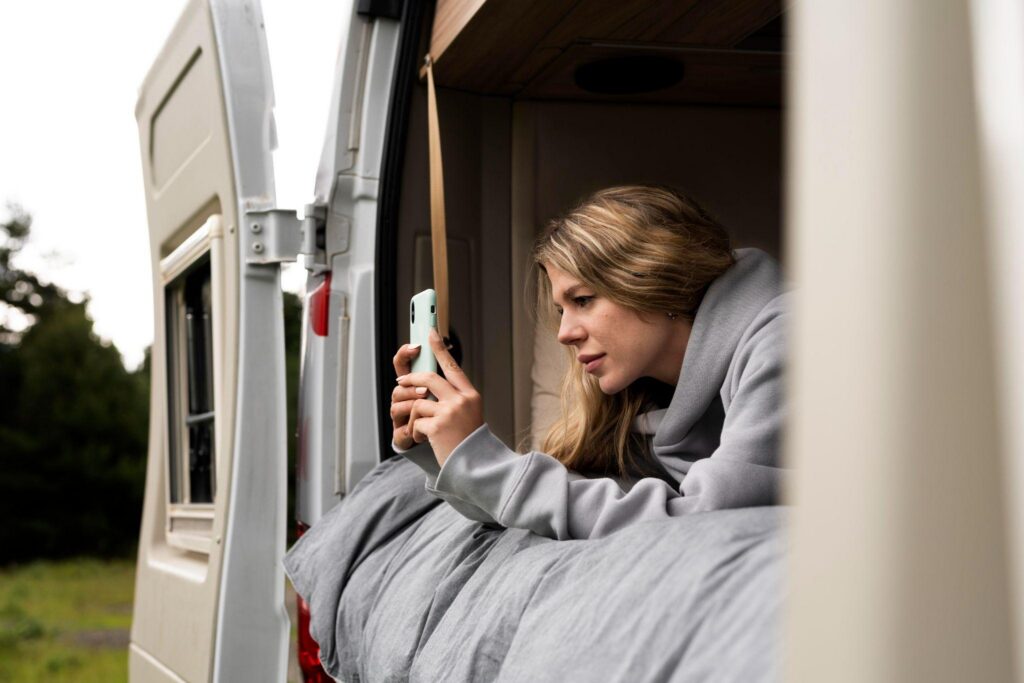
Extended road trips offer the freedom to explore different destinations without constantly checking into hotels or sticking to a fixed itinerary. However, spending several days or weeks on the road requires more than a reliable vehicle. Travelers also need a living space that supports restful sleep, convenient meal preparation, personal comfort, and everyday routines.
An RV can provide many of these comforts, but the right choice depends on how people plan to travel. A couple taking occasional weekend trips may have different needs from a family planning a month-long journey. Storage, sleeping arrangements, climate control, and bathroom facilities can all influence the experience.
Planning ahead makes it easier to identify the features that matter most. Understanding the basics of RV travel, including the guidance available through the National Park Service, can also help travelers prepare for overnight stays and campground conditions. With the right setup, an extended road trip can feel less like a continuous journey and more like a comfortable home away from home.
For Ecommerce Paradise readers, this is also a practical question about location-independent work. An RV does not have to become a full-time office, but if you plan to manage a store, speak with suppliers, or support customers while traveling, comfort includes dependable power, connectivity, and simple systems that keep work from taking over the trip.
1. Choose a Layout That Supports Everyday Living
An RV’s floor plan affects how easily travelers can move around, relax, and complete daily tasks. A spacious-looking interior may not necessarily be practical when several people are sharing it for weeks.
Separate Living and Sleeping Areas
Layouts that create distinct spaces for sleeping, dining, and relaxing can make longer trips more enjoyable. A dedicated bed, convertible dinette, or separate sleeping area may help travelers maintain different routines without disturbing one another.
Before choosing among rvs for sale, consider how many people will travel regularly and whether everyone needs a permanent sleeping space. Families may prefer bunk beds, while couples might prioritize an accessible bedroom and a comfortable lounge.
Do not judge the layout only with the slides open on a dealership lot. Imagine the RV during a rainy afternoon, when someone is cooking, another person is working, and a third person wants to rest. The best layouts create a few usable zones without turning every small task into a negotiation.
Check Movement and Accessibility
Walk through the interior as if you were using it during an ordinary day. Open cabinets, move between the kitchen and bathroom, and check whether people can pass one another comfortably.
A practical layout should make common activities easy rather than forcing travelers to rearrange furniture constantly.
Try the layout with the slides retracted as well. Some floor plans feel generous while parked but block the fridge, bathroom, or bed when traveling. That matters when you make a short stop, arrive late, or need to take a break without fully setting up camp.
2. Prioritize a Comfortable Sleeping Setup
Good sleep becomes especially important during extended travel. Long driving days, unfamiliar surroundings, and changing schedules can make it harder to rest properly.
Evaluate the Mattress and Bed Size
Built-in mattresses vary in thickness and firmness. Lie down on the bed, check the available length, and make sure there is enough room to get in and out without difficulty.
If the mattress feels uncomfortable, determine whether it can accommodate a suitable topper or replacement. Also consider whether the bed requires daily conversion from a dining or seating area.
For a long trip, a fixed bed usually earns its space because it removes a daily chore. If a convertible bed is the only realistic option, practice the conversion during the inspection. Check whether the cushions create gaps, whether bedding has to be stored elsewhere, and whether the process will still feel reasonable after a long day on the road.
Consider Noise and Light Control
Roadside traffic, campground activity, and early morning sunlight can interrupt sleep. Blackout window coverings, insulated walls, and well-fitted doors may help create a quieter sleeping environment.
Travelers who are sensitive to noise should pay attention to the bedroom’s location, particularly when the RV includes a generator or equipment that produces sound.
Small improvements can have an outsized effect here. A mattress topper, fan, earplugs, window coverings, and a consistent bedtime routine may do more for trip quality than an expensive entertainment upgrade. I would put those basics ahead of decorative extras every time.
3. Look for a Functional Kitchen
Eating out at every stop can become expensive and inconvenient during a long journey. A practical kitchen allows travelers to prepare familiar meals, store groceries, and adjust their routines to changing schedules.
Assess Cooking and Food Storage
Check whether the RV includes enough refrigerator space, counter space, and storage for cookware. The number of burners, availability of an oven or microwave, and type of refrigerator can also affect meal preparation.
A couple preparing simple breakfasts may need very little counter space. A family cooking most meals inside the RV will probably benefit from a larger work surface and additional food storage.
Think through a realistic grocery cycle. Where will fresh food go after a larger shop? Can the fridge run on the power sources you expect to use? Is there a clear place for dry goods that will not shift while driving? These questions matter more than whether the kitchen looks impressive in listing photos.
Make Cleaning Easier
A usable sink, accessible waste bin, and convenient dish storage can make everyday cleanup less demanding. Good ventilation is also important because cooking odors and moisture can linger in a compact interior.
Choose a kitchen that supports the way you actually eat instead of paying for equipment you rarely expect to use.
It helps to designate a place for cleaning supplies and keep only the cookware you will use regularly. Clutter grows quickly in a small kitchen. A simple, repeatable cleanup routine keeps one meal from making the entire living area feel chaotic.
4. Check Climate Control and Ventilation
Temperature management can determine whether an RV feels comfortable during different seasons. Interior conditions may change considerably between sunny afternoons, cool nights, and humid weather.
Evaluate Heating and Air Conditioning
Check the heating and cooling systems before committing to an RV. Ask how they operate, what power sources they require, and whether their capacity suits the vehicle’s size.
Travelers visiting hot regions may need effective air conditioning, while those planning cooler-weather trips should examine the heating system and insulation. Keep in mind that running appliances while parked may depend on campground electrical hookups, battery capacity, or generator use.
Test the systems rather than accepting a seller’s assurance. Run the air conditioning, furnace, vents, and thermostat long enough to notice unusual cycling, weak airflow, or noise. If you expect to work on the road, climate control is not a luxury. It affects sleep, concentration, electronics, and how much time you can comfortably spend inside.
Pay Attention to Airflow
Roof vents, opening windows, and ventilation fans help manage moisture and improve airflow. This matters when cooking, showering, or sleeping with several people inside a limited space.
Look for signs of condensation or water damage during an inspection. Persistent moisture can affect comfort and may indicate an underlying maintenance problem.
For additional preparation advice, the National Weather Service provides information about weather hazards that travelers should consider when planning routes and overnight stops.
Route planning is part of climate management, too. A hot campground with no shade and limited hookups can change the day completely. Build a little flexibility into your itinerary so you can leave early, alter the route, or choose a better-equipped site when weather creates a real comfort or safety issue.
5. Make Bathroom Facilities a Priority
Bathroom arrangements can have a significant effect on convenience during extended trips. The best option depends on the number of travelers, the duration of each journey, and the types of campgrounds they expect to visit.
Compare Shower and Toilet Facilities
Some RVs include a combined wet bath, while others provide a separate shower and toilet area. A combined bathroom may save space, but a separate layout can make simultaneous use and cleanup easier.
Check the available shower space, water pressure, ventilation, and ease of cleaning. Taller travelers should also consider ceiling height and room to move comfortably.
Consider the practical trade-off rather than assuming a larger bath is always the answer. A compact wet bath can work well for travelers who use campground facilities often. A larger separate bath may be worth the space if you plan longer stays off-grid or travel with more than two people.
Understand Water and Waste Capacity
Freshwater tanks, graywater tanks, and blackwater tanks have practical limits. Larger capacities may reduce how often travelers need to refill or empty tanks, although actual usage depends on shower length, dishwashing, and the number of occupants.
Understanding these limits helps travelers plan campground stops and avoid unexpected interruptions.
Before a major trip, run a short local weekend with your normal habits. Track how quickly you use water and how often you need to empty tanks. That experience is more valuable than a generic rule because the real answer depends on your group, your appliances, and whether you use campground showers.
6. Choose Storage That Keeps Clutter Under Control
A crowded interior can quickly become frustrating when an RV serves as both transportation and accommodation. Storage should accommodate everyday necessities without making frequently used items difficult to reach.
Organize Essentials Efficiently
Look for cabinets, drawers, wardrobes, pantry shelves, and exterior storage compartments. Consider where clothing, food, cleaning supplies, outdoor equipment, and travel documents will go.
Storage near the entrance can be useful for shoes and jackets, while kitchen cabinets should provide convenient access to frequently used cookware.
For remote operators, make a small place for paperwork and a laptop rather than letting both drift around the RV. Keeping route documents, campground bookings, receipts, and business records in a shared Google Workspace folder means the physical space can stay simple without losing access to the information that matters.
Check Weight Limits
More storage is not always better if it encourages travelers to carry too much. Every RV has a maximum permitted weight, and passengers, water, fuel, and equipment all contribute to the total load.
Review the vehicle’s weight ratings and avoid exceeding them. Distributing items appropriately also helps maintain safe handling while driving.
The National Highway Traffic Safety Administration’s tire guidance is a useful reminder that tire pressure, load limits, and regular inspections are part of safe vehicle operation. Check the RV’s labels and owner’s manual for the specific limits that apply to your vehicle, not a generic number from another model.
Weigh the RV when it is packed for a realistic trip, including water, passengers, food, and gear. That is the only way to know whether the equipment that seemed harmless one item at a time has become a handling or tire-load problem.
7. Consider Seating and Entertainment Options
An extended road trip involves plenty of time outside the vehicle, but travelers also need a comfortable place to relax when they return to camp.
Test the Seating
Sit on the sofa, dinette, and other seating areas for several minutes. Check back support, legroom, table height, and whether the furniture works for reading, eating, or using a laptop.
A dinette that feels adequate during a short inspection may become uncomfortable during repeated meals or rainy days spent indoors.
If your trip includes business work, test the table with a laptop. Is the seat height comfortable? Is there room for a charger and notebook? Can another person use the kitchen without knocking everything over? The winning setup is usually the one that works for ordinary tasks, not the one with the fanciest television.
Plan for Connectivity and Power
Charging outlets, USB ports, lighting, and reliable internet access may be important for travelers who work remotely or need to stay connected.
Check where outlets are located and whether the electrical setup supports the devices you expect to use. If remote work is part of the plan, consider mobile coverage along the intended route rather than assuming a campground will always provide dependable Wi-Fi.
Plan a primary and backup connection before you leave. A flexible mobile plan such as Google Fi may be worth considering for travelers who need data away from their usual home base, while a reputable VPN such as Surfshark can add privacy when you must use public Wi-Fi. Check the current plan terms and coverage for your route rather than assuming any service will work everywhere.
Power deserves the same backup thinking. Know which devices are essential, how long the batteries last, and whether the campground, solar setup, generator, or vehicle can recharge them. A simple power plan prevents a late-night scramble when both navigation and work depend on the same dwindling battery.
8. Examine Safety and Driving Practicality
Comfort also depends on feeling secure behind the wheel. An RV that is difficult to maneuver or tiring to drive can make long journeys more stressful.
Review Essential Safety Features
Check seat belts, tire condition, brakes, mirrors, lighting, and any available driver-assistance features. Confirm that the vehicle has appropriate smoke and carbon monoxide alarms, along with accessible fire safety equipment.
Before traveling, understand the RV’s height, width, and length. These measurements matter when navigating tunnels, bridges, narrow roads, and campground entrances.
Put those dimensions where the driver can access them quickly. A route that is reasonable for a passenger car may include a low clearance, sharp turn, or fuel stop that creates unnecessary stress for a larger rig. Good preparation keeps the driving day calm and protects the rest of the trip.
Match the RV to Your Driving Experience
Large motorhomes and travel trailers require different skills. If towing a trailer, ensure the tow vehicle is properly rated for the loaded weight and that the hitch setup is suitable.
Take a test drive or practice maneuvering in a safe area before starting a lengthy trip. Building confidence with parking, turning, and reversing can reduce stress throughout the journey.
Choose the size you will genuinely enjoy driving. Extra square footage can be valuable, but it is not a win if it makes you avoid scenic roads, skip smaller campgrounds, or arrive exhausted after every travel day.
9. Prepare for Maintenance and Longer Stays
Even a well-equipped RV needs regular care. Small maintenance issues can become inconvenient when travelers are far from familiar service providers.
Inspect Before Departure
Check tire pressure, fluid levels, lights, batteries, plumbing, and appliances before leaving. Inspect seals and roof areas for potential leaks, and make sure doors, windows, and storage compartments close securely.
Keep basic tools, replacement fuses, emergency supplies, and maintenance records accessible.
A short pre-departure checklist beats relying on memory. Create one for the vehicle, one for the living systems, and one for the work gear you need on the road. If you are running a business while traveling, tracking those fuel, campground, and maintenance costs in QuickBooks makes it easier to understand the real cost of the lifestyle instead of guessing after the trip.
Plan for Extended Campground Stays
Think about how the RV will function when parked for several days. Electrical hookups, water connections, wastewater disposal, and laundry access can all influence comfort.
Travelers planning to stay in remote areas should also consider battery capacity, solar charging, fuel availability, and access to essential supplies. A realistic plan reduces the need to compromise on everyday necessities.
If the RV is part of a longer location-independent lifestyle, solve your mail and coverage logistics before you leave. A virtual-mailbox service such as iPostal1 can be relevant for some remote business owners, and travelers spending time outside their home country can review whether SafetyWing fits their travel-medical needs. Those are individual decisions, so read the provider’s current terms and make sure they match your actual itinerary.
Conclusion
A comfortable RV for extended road trips combines a practical layout, supportive sleeping arrangements, functional kitchen and bathroom facilities, reliable climate control, and enough storage for everyday essentials. Safety, driving practicality, and maintenance also deserve careful attention.
The best choice depends on the travelers, their planned destinations, and how they expect to use the vehicle. Evaluating these factors before departure helps create a more enjoyable travel experience, with fewer avoidable inconveniences and more opportunities to focus on the journey itself.
If travel is part of the life you want to build as an ecommerce operator, keep the bigger foundation in view. A sustainable high-ticket dropshipping business can support location flexibility, but it still needs a product category with genuine demand, reliable suppliers, and a proper business setup. Use my high-ticket niches list, supplier sourcing guide, and business formation checklist to build those pieces deliberately.
FAQs
1. What is the most important feature in an RV for long trips?
Sleeping comfort is a strong starting point, but the best feature depends on individual needs. Travelers should also consider bathroom access, kitchen functionality, climate control, storage, and driving practicality. A balanced layout that supports everyday routines is generally more useful than a long list of optional features.
2. How can I make an RV more comfortable for extended travel?
Use supportive bedding, organize storage, keep essential items accessible, and maintain comfortable indoor temperatures. Pack lightweight kitchen supplies, bring suitable lighting, and plan regular stops for rest and maintenance. Before leaving, test the appliances and identify any small improvements that would make daily activities easier.
3. Is a larger RV always better for long road trips?
Not necessarily. A larger RV may provide more living space, storage, and separate sleeping areas, but it can be harder to maneuver and may limit access to certain roads or campsites. A smaller model can be more practical for couples or travelers who prioritize flexibility and easier driving.
Related reading for ecommerce operators
- Google Fi vs Mint Mobile: Travel and Remote-Work Considerations
- Digital Nomad Insurance: Complete Guide
- Best Portable Chargers for Travel
- What Is High-Ticket Dropshipping?
- High-Ticket Niches List

Trevor Fenner is an ecommerce entrepreneur and world traveler from Seattle, Washington, and the founder of Ecommerce Paradise, a platform focused on helping entrepreneurs build and scale profitable high-ticket ecommerce and dropshipping businesses. With over a decade of hands-on experience, Trevor specializes in high-ticket dropshipping strategy, niche and product selection, supplier recruiting and onboarding, Google & Bing Shopping ads, ecommerce SEO, and systems-driven automation and scaling. Through Ecommerce Paradise, he provides free education via in-depth guides like How to Start High-Ticket Dropshipping, advanced training through the High-Ticket Dropshipping Masterclass, and fully done-for-you turnkey ecommerce services for entrepreneurs who want a faster, more hands-off path to growth. Trevor is known for emphasizing sustainable, real-world ecommerce models over hype-driven tactics, helping store owners build scalable, sellable, and location-independent brands.
He maintains homes in Seattle and Bali, spends most of the year overseas, and usually returns to Seattle for about a month each summer.


