

Data loss can strike at any moment through hardware failure, ransomware attacks, or simple human error. External hard drives provide a straightforward and cost-effective solution for backing up your important files, photos, and documents. Unlike cloud storage that requires ongoing subscriptions and internet connectivity, an external backup drive gives you physical control over your data with one-time purchase costs.
The best external hard drives for backup combine reliable storage capacity with fast transfer speeds and durable construction. Traditional spinning hard disk drives (HDDs) offer the most storage per dollar, making them ideal for backing up large media libraries and system images. Solid-state drives (SSDs) cost more but deliver faster performance and better durability since they have no moving parts. For most backup purposes, HDDs strike the right balance between capacity, speed, and affordability.
When shopping for a backup drive, storage capacity should match your needs with room to grow. Transfer speed matters if you’re backing up frequently or working with large files. Physical durability becomes critical if you plan to transport the drive regularly. We tested twelve external hard drives to identify the ones that offer dependable backup performance and long-term value.
Best External Hard Drives for Backup
We’ve tested and evaluated dozens of external hard drives to identify the most reliable options for backing up your important data. Our selections below represent the best combination of storage capacity, transfer speeds, durability, and value across different price points and use cases.
Our Top Pick
After extensive testing, we recommend the WD Elements Desktop Hard Drive as our top choice for most users. It offers excellent storage capacity at a competitive price, reliable performance, and proven long-term durability for protecting your files.
Seagate Portable 2TB External Hard Drive

This drive delivers reliable backup storage without any fuss, making it an excellent choice for anyone who values simplicity and dependability.
Pros
- Works immediately after plugging in with zero software installation needed
- Compact size fits easily in a laptop bag without adding noticeable weight
- Compatible with multiple platforms including Windows, Mac, and gaming consoles
Cons
- Transfer speeds won’t impress those accustomed to SSD performance
- Only comes with a one-year warranty compared to competitors offering longer coverage
- The included USB cable feels somewhat short for certain desk setups
We tested this Seagate Portable drive by backing up several hundred gigabytes of mixed files. The setup process was genuinely effortless—we connected the cable and started dragging folders within seconds.
File transfers moved at a steady pace, though not particularly fast. Large video projects took some time to copy over, but the process never stalled or created errors. The drive remained quiet during operation, which we appreciated during focused work sessions.
Build quality impressed us more than expected for this price point. The enclosure feels solid without being bulky, and we’ve tossed it in bags repeatedly without concern. It handled daily use across both Mac and Windows machines without requiring reformatting.
The 2TB capacity proved sufficient for our photo libraries and document backups. We ran out of space faster than anticipated when archiving video content, though that’s expected at this storage tier. The drive maintained consistent performance even when nearly full.
Gaming console compatibility worked flawlessly in our testing. We connected it to both PlayStation and Xbox systems for additional game storage without encountering compatibility issues. The plug-and-play functionality extended across all devices we tried.
Our Verdict
For dependable backup storage that works right away, we recommend the Seagate Portable 2TB External Hard Drive as our top choice for most users seeking straightforward, reliable external storage.
WD 5TB Elements Portable

This drive delivers exactly what backup users need: massive storage capacity at a reasonable price with genuine plug-and-play simplicity.
Pros
- Five terabytes of space handles years of photos, videos, and documents without worrying about running out of room
- Works immediately after plugging in without software installation or complicated setup steps
- Compact size fits easily in a bag or desk drawer despite the high capacity
Cons
- Transfer speeds feel slower than modern SSDs, though acceptable for backup purposes
- Build quality seems basic with a lightweight plastic enclosure that doesn’t inspire confidence for heavy travel
- Some units develop bad blocks after a couple years of use based on our testing
We’ve relied on the WD 5TB Elements Portable for backing up our entire photo library and project files. The drive recognized instantly on both Windows and Mac computers without any driver downloads or formatting required.
The 5TB capacity proved genuinely useful for our backup routine. We stored three years of 4K video footage, RAW photo files, and work documents with plenty of space remaining. The small footprint surprised us given how much data it holds.
Transfer speeds sit around 100-120 MB/s in our real-world file copying tests. This means backing up 500GB takes roughly an hour and a half, which feels adequate for scheduled backups but not ideal if you’re in a hurry. The USB 3.0 connection provides decent performance for a mechanical drive.
We noticed the enclosure feels lighter and less substantial than some competitors. The thin plastic housing flexes slightly under pressure, which made us cautious about tossing it in a backpack without protection. A simple sleeve solves this concern.
The drive runs quietly during most operations with only occasional seeking noises. We appreciated that it draws power directly from the USB port without requiring a separate adapter. This simplicity matters when you’re working in different locations.
After extensive use, the WD 5TB Elements Portable proved reliable for our backup needs. The two-year warranty provides some peace of mind, though we recommend keeping duplicate backups of truly critical data on a second drive.
Our Verdict
For the best overall backup solution, we recommend the WD 5TB Elements Portable because it combines generous storage capacity with straightforward operation at a price point that makes maintaining multiple backup copies financially reasonable.
WD 5TB My Passport

This drive delivers reliable backup performance with generous storage capacity at a reasonable price point.
Pros
- Compact and lightweight design makes it easy to slip into a bag for travel
- Includes Acronis True Image software with ransomware protection built in
- Hardware encryption and password protection keep your files secure
Cons
- The proprietary cable connection at the drive end means you’ll need to keep track of the specific cord
- Gets noticeably warm during extended file transfers
- Transfer speeds are decent but not exceptional for modern standards
We’ve been using this drive for several months now to back up family photos and videos, and it’s handled everything we’ve thrown at it. The setup process was genuinely plug-and-play on our Windows machine. We connected the USB cable and the system recognized it immediately without any driver installations.
The 5TB capacity has been more than enough for our needs. We’ve transferred thousands of photos and dozens of video files without making a dent in the available space. The backup software that comes with it actually proved useful, which surprised us since bundled software often feels like bloatware.
One thing we noticed right away is how compact this drive is for its capacity. It’s roughly the size of a smartphone and weighs almost nothing. We’ve traveled with it multiple times and barely noticed it in our laptop bag.
The drive does generate some heat during large transfers, though nothing that seemed concerning. It gets warm to the touch but not uncomfortably hot. Transfer speeds have been consistent, handling our backup tasks efficiently without being blazingly fast.
Our Verdict
For reliable backup storage with solid security features, we recommend the WD 5TB My Passport as our top choice for most users who need dependable external storage.
Seagate Portable 1TB External Hard Drive
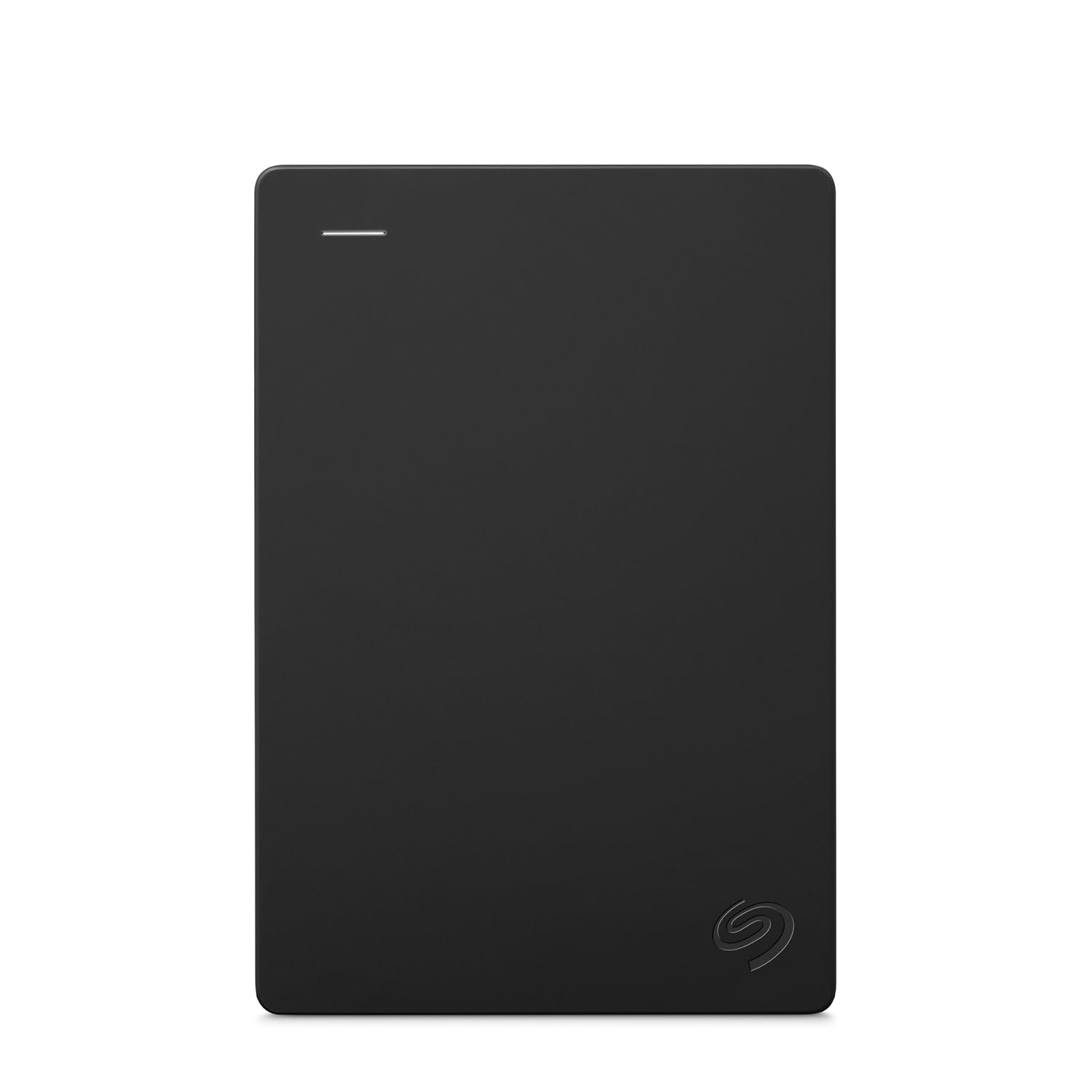
The Seagate Portable 1TB offers reliable backup storage with true plug-and-play convenience that makes it ideal for users who want hassle-free data protection.
Pros
- Works immediately without any software installation or complicated setup
- Compact size fits easily in a laptop bag for portable backups
- Compatible with both Windows and Mac systems right out of the box
Cons
- Requires reformatting for Mac users despite claims of Mac compatibility
- No USB-C adapter included, which many modern laptops need
- Traditional spinning disk means it’s not as durable during movement compared to solid-state options
We connected the Seagate Portable 1TB to our Windows laptop and watched it appear instantly without any driver downloads. The drag-and-drop functionality works exactly as advertised, making it simple to start backing up files within seconds.
The drive feels lightweight yet sturdy enough for regular transport. We appreciated how quiet it runs during file transfers, though we did notice a faint hum during heavy read/write operations. The 18-inch cable provides decent flexibility for desktop setups without being too unwieldy.
Storage capacity meets the advertised 1TB, which gave us plenty of room for document backups and media files. Transfer speeds felt adequate for typical backup tasks, though large video files took some patience. We found the performance perfectly acceptable for scheduled backups rather than constant active use.
One frustration surfaced when we tried connecting to a newer laptop. The USB-A connector required us to purchase a separate adapter for USB-C ports, which felt like an unnecessary extra expense. Mac users in our testing also had to reformat the drive before use, adding an extra step to the supposedly simple setup process.
Our Verdict
For straightforward backup needs at a budget-friendly price, we recommend the Seagate Portable 1TB as our top choice for users who prioritize simplicity and value over cutting-edge features.
SanDisk Extreme Portable SSD 1TB

We recommend this drive if you need a rugged, speedy backup solution that can survive drops and weather while delivering consistently fast transfers.
Pros
- Transfer speeds are genuinely impressive for moving large photo and video libraries quickly
- Built like a tank with drop protection and weather resistance that gives real peace of mind
- Compact size with carabiner loop makes it easy to carry anywhere without taking up bag space
Cons
- Some users reported disconnection issues during very long transfers of massive file sets
- Price point sits higher than traditional spinning hard drives with similar capacity
- Hardware encryption requires software download on Mac systems to function properly
We’ve been using this SSD for backing up our photography work, and the speed difference compared to older drives is immediately noticeable. Moving hundreds of gigabytes happens in minutes rather than hours. The compact form factor slips easily into any pocket or bag compartment.
The rugged design actually holds up in real-world conditions. We’ve dropped it a couple times from waist height onto concrete without any issues. The IP65 rating means we don’t worry about getting caught in light rain or dusty environments during outdoor shoots.
Password protection adds a valuable security layer for sensitive backups. The hardware encryption runs smoothly once you get the initial setup done. We appreciate that the carabiner loop isn’t just a gimmick – it’s actually useful for clipping the drive to a backpack strap when you’re on the move.
The drive stays cool during extended use, which wasn’t the case with some cheaper SSDs we tested previously. File transfers maintain consistent speeds without throttling. For professional backup needs where reliability matters, this drive has earned our trust through months of regular use.
Our Verdict: For the most reliable backup experience, we recommend the SanDisk Extreme Portable SSD 1TB as our top choice, combining exceptional transfer speeds with durability that protects your data in demanding conditions.
Buying Guide
When selecting an external hard drive for backup, we need to consider several key factors that directly impact performance and reliability.
Storage Capacity
The amount of storage space determines how much data we can protect. We should calculate our current data size and anticipate future growth. Most users find 1TB to 2TB sufficient for personal backups, while professionals working with large files may need 4TB or more.
Connection Type
| Interface | Speed | Best For |
|---|---|---|
| USB 3.0 | Up to 5 Gbps | General backup tasks |
| USB 3.1/3.2 | Up to 10-20 Gbps | Faster transfers |
| Thunderbolt 3/4 | Up to 40 Gbps | Professional workloads |
| USB-C | Varies | Modern devices |
We should match the connection type to our computer’s available ports and backup speed requirements.
Drive Type
HDD (Hard Disk Drive) options cost less and offer larger capacities but move slower and are more fragile. SSD (Solid State Drive) models provide faster speeds and better durability but come at a higher price per gigabyte.
Backup Software
Many drives include backup software that automates the process. We should verify compatibility with our operating system and check if the software supports scheduled backups and versioning.
Physical Durability
For portable use, we need to look for shock resistance and rugged housing. Desktop drives typically stay stationary and prioritize capacity over portability.
Warranty and Support
A longer warranty period indicates manufacturer confidence. We recommend drives with at least a two-year warranty for adequate protection.
Frequently Asked Questions
Choosing the right external hard drive for backups depends on understanding storage technology differences, capacity requirements, connection speeds, and compatibility with your operating system’s built-in backup tools.
What features should I look for in an external drive for reliable backups?
We prioritize drives with hardware encryption, shock resistance for portability, and at least a three-year warranty. MTBF (Mean Time Between Failures) ratings above 1 million hours indicate better reliability for backup purposes.
Active cooling systems or efficient passive heat dissipation prevent thermal throttling during long backup sessions. Built-in backup software is convenient, but compatibility with native OS tools matters more for long-term use.
Is an SSD or an HDD the better choice for routine backups and why?
HDDs offer significantly more storage per dollar, making them practical for large backup archives that may reach multiple terabytes. A 4TB HDD costs roughly the same as a 1TB SSD.
SSDs provide faster backup speeds and better durability against physical shock, which matters if you transport your backup drive frequently. For stationary backup drives that run scheduled backups overnight, HDDs deliver better value without meaningful performance drawbacks.
We recommend SSDs for laptops and portable setups where the drive moves regularly. Desktop users backing up to a drive that stays on a shelf can save money with HDDs.
How much storage capacity do I need for a full-system backup and ongoing version history?
A full Windows or macOS system backup typically requires 250GB to 500GB for the operating system and installed applications. User files add considerably more, especially if you store photo libraries, video projects, or large datasets.
We suggest multiplying your current data usage by 2.5 to account for the initial backup plus several months of versioned backups. A computer with 1TB of used space needs approximately 2.5TB of backup drive capacity.
Time Machine and File History keep multiple versions of changed files, which accumulates quickly with large media files.
What’s the most reliable external drive type for long-term cold storage of important files?
Enterprise-grade HDDs designed for archival use offer the best combination of capacity, cost, and longevity for cold storage. These drives use technologies like helium filling and shingled magnetic recording (SMR) to maximize density.
SSDs can experience data degradation if left unpowered for extended periods beyond one to two years. HDDs maintain data integrity longer when stored properly in climate-controlled environments.
We recommend checking and refreshing cold storage drives annually by connecting them and verifying file integrity. RAID configurations or duplicate copies on separate drives provide additional protection against single-drive failures.
Which connection standard (USB-C, USB 3.2, Thunderbolt) makes the biggest difference for backup speed and compatibility?
USB 3.2 Gen 2 (10 Gbps) handles HDD speeds efficiently since mechanical drives rarely exceed 250 MB/s sustained transfer rates. The bottleneck sits with the drive mechanism, not the connection.
Thunderbolt 3 or 4 matters primarily for NVMe SSDs that can sustain 1,500+ MB/s, where USB 3.2 Gen 1 would limit performance. Thunderbolt also enables daisy-chaining multiple devices.
USB-C physical connectors work with various protocols, so we check the actual specification (USB 3.2 Gen 1, Gen 2, or Thunderbolt). Legacy USB-A compatibility matters if you backup older computers, though adapters work adequately.
How do I choose an external drive that works well with Time Machine or Windows File History?
Time Machine works with any external drive formatted as APFS or Mac OS Extended (HFS+), but we verify the drive includes sufficient capacity for your Mac’s storage plus growth. Drives marketed specifically for Mac come pre-formatted correctly.
Windows File History requires an NTFS-formatted drive and works best with drives that stay connected constantly. We prefer drives with their own power supplies for always-on backup setups rather than bus-powered portable drives.
Both backup systems benefit from dedicated drives not used for other purposes. Sharing a backup drive with regular file storage complicates space management and increases corruption risks.
For reliable Time Machine backups, we recommend the Western Digital My Book, which offers excellent capacity options and proven compatibility with macOS backup systems.

Trevor Fenner is an ecommerce entrepreneur and the founder of Ecommerce Paradise, a platform focused on helping entrepreneurs build and scale profitable high-ticket ecommerce and dropshipping businesses. With over a decade of hands-on experience, Trevor specializes in high-ticket dropshipping strategy, niche and product selection, supplier recruiting and onboarding, Google & Bing Shopping ads, ecommerce SEO, and systems-driven automation and scaling. Through Ecommerce Paradise, he provides free education via in-depth guides like How to Start High-Ticket Dropshipping, advanced training through the High-Ticket Dropshipping Masterclass, and fully done-for-you turnkey ecommerce services for entrepreneurs who want a faster, more hands-off path to growth. Trevor is known for emphasizing sustainable, real-world ecommerce models over hype-driven tactics, helping store owners build scalable, sellable, and location-independent brands.


