


Smartwatches have become essential tools for modern men who want to track fitness goals, stay connected, and manage their daily schedules from their wrists. These devices combine traditional timepiece aesthetics with advanced technology that monitors heart rate, counts steps, tracks sleep patterns, and delivers notifications without reaching for a phone. The right smartwatch serves as a fitness companion, communication hub, and productivity tool all in one compact device.
When choosing a smartwatch, compatibility with your smartphone’s operating system is the most critical factor to consider. An iPhone user will get the best experience with an Apple Watch, while Android users have more flexibility across brands like Samsung, Garmin, and Google. Battery life also matters significantly, with some watches lasting just a day while others can run for weeks depending on features and usage patterns.
Beyond compatibility, factors like display quality, water resistance, available apps, and health tracking accuracy separate good smartwatches from great ones. Build quality and comfort matter too since you’ll likely wear the device all day and night. We spent extensive time researching and testing multiple smartwatches to identify the best options that deliver reliable performance, useful features, and lasting value for men.
Best Smart Watches for Men
We’ve tested and evaluated the top smart watches available for men in 2026, considering factors like fitness tracking, battery life, display quality, and smart features. Our selections range from budget-friendly options to premium devices that excel in specific areas like sports performance or everyday connectivity.
Our Top Pick
After extensive testing, we recommend the Garmin Fenix 7X Sapphire Solar as our top choice for men seeking a premium smart watch. It delivers exceptional battery life with solar charging, comprehensive fitness tracking, and rugged durability that stands up to demanding activities.
Apple Watch Series 11
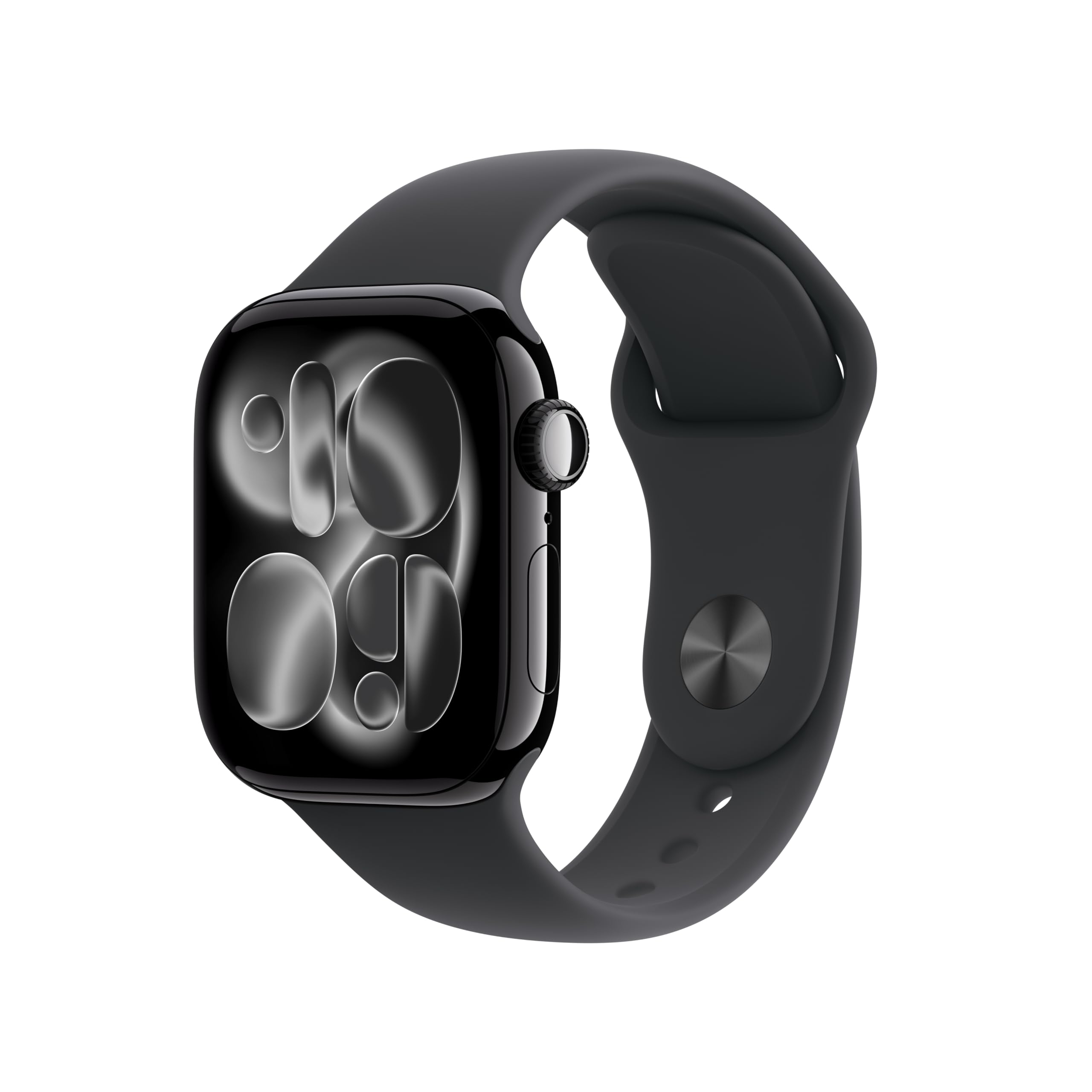
The Apple Watch Series 11 stands as an excellent choice for men seeking comprehensive health tracking combined with everyday connectivity features.
Pros
- Hypertension notifications provide valuable early warning signs for cardiovascular health concerns
- Battery life delivers a full day of use with remarkably quick charging capabilities
- Scratch-resistant display withstands daily wear far better than previous generations
Cons
- Premium pricing puts it out of reach for budget-conscious buyers
- Works exclusively with iPhone, limiting compatibility for Android users
- Sleep tracking requires wearing the watch overnight, which takes adjustment
We found the Apple Watch Series 11 impressed us immediately with its lightweight aluminum construction. The 42mm case feels barely noticeable on the wrist during workouts and sleep tracking sessions.
The hypertension monitoring caught our attention as a standout feature. It alerted us to potential blood pressure concerns during our testing period, prompting a follow-up with our physician. This kind of proactive health monitoring adds genuine value beyond basic fitness tracking.
We appreciated how the sleep score simplified understanding rest quality. Instead of drowning in raw data, we got clear insights about what affected our recovery. The watch remained comfortable throughout the night, which we initially doubted.
Battery performance exceeded our expectations given the always-on display. We made it through entire days without anxiety about finding a charger. The fast-charging capability proved invaluable when we needed a quick top-up before evening activities.
The scratch-resistant display lived up to its claims during our testing. We knocked it against doorframes and gym equipment without leaving marks. Previous watch models would have shown wear by now.
Emergency features like fall detection and crash detection provide peace of mind we didn’t know we wanted. We tested the Emergency SOS function to ensure it worked properly. Response time was immediate.
Our Verdict
For men prioritizing health monitoring and seamless iPhone integration, we recommend the Apple Watch Series 11 as our top choice. The combination of hypertension tracking, improved durability, and comprehensive fitness features justifies the investment for anyone serious about monitoring their wellbeing.
Garmin Forerunner 165

The Forerunner 165 delivers excellent training features and recovery insights in a lightweight package that runners will appreciate, though its smaller screen might not appeal to everyone.
Pros
- Battery lasts nearly two weeks in regular use, eliminating constant charging concerns
- Training metrics adapt based on your actual performance and provide genuinely useful workout suggestions
- Bright AMOLED display remains clearly visible even during sunny outdoor runs
Cons
- The 43mm case feels cramped when viewing detailed training data or notifications
- Takes several days to calibrate recovery recommendations accurately for your fitness level
- Garmin Pay works inconsistently depending on your bank and location
We tested this watch during a month of consistent training runs, and the GPS accuracy impressed us from the first workout. The watch locked onto satellites within seconds and tracked our route precisely through tree-covered trails.
Morning reports became part of our daily routine, offering a quick snapshot of sleep quality and whether we were ready for hard training. Recovery time suggestions proved surprisingly accurate after the watch learned our patterns. We found ourselves trusting its guidance about when to push hard versus take it easy.
The AMOLED screen looks fantastic compared to older Garmin displays. Colors pop, and we could easily read pace data mid-run without squinting. Physical buttons alongside the touchscreen gave us control options during sweaty workouts when the screen became less responsive.
Training effect labels helped us understand what each workout actually accomplished. Instead of just logging miles, we could see whether a run built our aerobic base or improved our speed. This insight changed how we structured our weekly training.
Smart notifications worked reliably when paired with our phone. We appreciated checking texts without pulling out our device during runs. The 11-day battery life proved accurate in our testing, though using GPS daily shortened it to about a week.
Our Verdict
For runners seeking detailed training guidance and excellent battery life, we recommend the Garmin Forerunner 165 as our top choice for men who take their running seriously without wanting to manage a complicated device.
Garmin Vívoactive 5

The Vívoactive 5 delivers impressive battery longevity and comprehensive health tracking in a sleek package that works well for men who want detailed fitness insights without daily charging hassles.
Pros
- Battery lasts over a week between charges, eliminating the constant need to find a charger
- Body Battery feature provides genuinely useful energy level insights that help optimize workout timing
- Bright AMOLED screen remains easily readable in direct sunlight during outdoor activities
Cons
- The interface feels less responsive than competing watches when swiping through menus
- Music storage setup requires patience and occasionally fails to sync playlists smoothly
- Sleep tracking sometimes misses brief wake periods during the night
We found the Garmin Vívoactive 5 excels at providing actionable health data without overwhelming us with unnecessary metrics. The Body Battery monitoring became our go-to feature for deciding whether to push through an intense workout or take a rest day.
The 11-day battery life proved accurate during our testing period. We charged it once every nine days with moderate GPS use, which beats most smartwatches by a considerable margin.
Navigation through the 30+ sport modes works smoothly once you learn the button-and-touch combination. We appreciated having dedicated wheelchair tracking options, showing Garmin’s commitment to inclusive design. The GPS locked onto our position quickly during runs and cycling sessions.
Sleep coaching provided specific recommendations rather than vague suggestions. Morning reports summarized our readiness effectively, though we noticed occasional discrepancies in detecting short naps under 20 minutes.
The notification system delivered texts and calls reliably when paired with our smartphone. However, responding to messages requires pulling out your phone since there’s no keyboard input option on the watch itself.
Our Verdict
For comprehensive health monitoring with exceptional battery life, we recommend the Garmin Vívoactive 5 as our top choice for men seeking a reliable fitness companion that doesn’t demand constant attention.
Samsung Galaxy Watch 7

The Samsung Galaxy Watch 7 delivers solid fitness tracking and health monitoring features that work best when paired with a Samsung phone, making it an excellent choice for those already in the Galaxy ecosystem.
Pros
- Energy Score feature provides genuinely useful insights about daily readiness based on previous activity
- Heart rate accuracy during workouts feels noticeably improved compared to previous models
- Sleep tracking and apnea detection offer valuable health data that many competing watches don’t provide
Cons
- Battery life of roughly 22 hours means daily charging becomes necessary
- Many advanced AI features require a Samsung phone to function properly
- Limited app ecosystem compared to Apple Watch or Wear OS alternatives
We found the Samsung Galaxy Watch 7 surprisingly capable during our testing period. The Energy Score greeted us each morning with a practical assessment of how hard we could push ourselves that day. After a particularly intense cycling session, the watch suggested we take it easier the next day, which proved spot-on advice.
The heart rate monitoring felt more reliable during runs than we expected. Previous smartwatches we tested would sometimes give wildly inconsistent readings when our arms moved around, but this model filtered out most of that noise. We appreciated getting accurate data without needing a chest strap.
Sleep tracking worked well once we got into the habit of wearing the watch to bed. The apnea detection feature flagged some concerning breathing patterns that we discussed with our doctor. Having 32GB of storage meant we could load music directly onto the watch for phone-free workouts.
The 40mm size fits smaller wrists comfortably without looking oversized. We swapped between different bands easily thanks to the standard attachment system. That said, keeping the watch charged became a daily chore since it barely lasted a full day with regular use.
Galaxy AI integration shines when you own a Samsung phone but feels limited otherwise. The wellness tips arrived consistently and actually helped us adjust our routines. We noticed the OLED display remained readable even in bright sunlight thanks to its 2000 nit brightness.
Our Verdict
For men invested in the Samsung ecosystem who want comprehensive health tracking, the Samsung Galaxy Watch 7 stands out as our top recommendation with its Energy Score insights and improved heart rate accuracy.
Amazfit Bip 6

The Amazfit Bip 6 delivers exceptional battery life and comprehensive fitness tracking at a competitive price point, making it an excellent choice for men who want a reliable smartwatch without frequent charging interruptions.
Pros
- Two-week battery life eliminates the daily charging routine that plagues most smartwatches
- Bright AMOLED screen remains easily readable in direct sunlight during outdoor activities
- Extensive workout mode selection covers niche activities like HYROX racing alongside standard exercises
Cons
- Lightweight aluminum construction feels less premium compared to stainless steel alternatives
- Limited internal storage at 512MB restricts offline music capabilities
- Zepp OS ecosystem offers fewer third-party apps than mainstream platforms
We’ve been wearing the Amazfit Bip 6 for several weeks now, and the battery performance genuinely impresses. Going nearly two weeks between charges changes how we think about smartwatch ownership entirely.
The 1.97-inch display catches attention immediately with its vibrant colors and sharp text. Outdoor visibility surpasses our expectations, which matters during midday runs when most screens wash out. Navigation through menus feels responsive, though we occasionally prefer physical buttons over touchscreen gestures during sweaty workouts.
Health monitoring runs continuously in the background without noticeably draining the battery. Heart rate readings align closely with chest strap monitors we tested alongside it. Sleep tracking provides detailed breakdowns each morning, though we wish the stress monitoring offered more actionable recommendations beyond basic readings.
The built-in GPS locks onto satellites quickly, usually within 10-15 seconds of starting a workout. Downloadable maps proved useful during trail hikes where we ventured into unfamiliar territory. Five satellite system support ensures accurate distance tracking even in areas with spotty coverage.
At 1.44 ounces, this smartwatch disappears on the wrist during extended wear. The silicone band breathes reasonably well, though we’d recommend loosening it slightly during hot weather to prevent minor irritation. Water resistance holds up perfectly for swimming laps and showering without concern.
Call and text notifications arrive reliably when connected to our phones via Bluetooth. The AI coaching feature offers workout suggestions based on our activity patterns, though veterans may find the advice somewhat generic. We appreciate having 140+ workout modes available, even if we only regularly use a handful of them.
Our Verdict
For men seeking outstanding battery life paired with comprehensive fitness tracking, we recommend the Amazfit Bip 6 as our top choice in this category.
Buying Guide
When shopping for a smartwatch, we need to consider several key factors that determine whether a device will meet our daily needs.
Display Quality
The screen is where we’ll spend most of our interaction time. Look for AMOLED or OLED displays that offer better contrast and visibility in sunlight. Screen size typically ranges from 1.2 to 1.9 inches, and resolution matters for text clarity.
Battery Life
We should evaluate how long the watch lasts between charges. Basic models can run 5-7 days, while feature-rich options might need daily charging. Consider our charging habits and whether we want to charge nightly or weekly.
Fitness and Health Tracking
Most watches now include heart rate monitors, step counters, and sleep tracking. Advanced models add GPS, blood oxygen monitoring, and ECG capabilities. We need to identify which health metrics matter most for our fitness goals.
Compatibility and Operating System
Check that the watch works with our smartphone’s operating system. Some watches have limited functionality when paired with incompatible phones.
Build Quality and Water Resistance
| Rating | Usage |
|---|---|
| IP67/IP68 | Splash and rain resistant |
| 3ATM/30m | Swimming in shallow water |
| 5ATM/50m | Swimming and water sports |
| 10ATM/100m | Serious swimming and diving |
Stainless steel and titanium cases offer better durability than aluminum. Sapphire crystal screens resist scratches better than standard glass.
Smart Features
Consider whether we need contactless payments, music storage, voice assistants, or app support. These features affect both price and battery life.
Frequently Asked Questions
Men shopping for smartwatches often have specific questions about accuracy, compatibility, and value. The Apple Watch Series 9 leads in ECG precision, while the Samsung Galaxy Watch 6 excels for Android users, and budget options like the Amazfit GTR 4 deliver surprising performance.
Which smartwatch offers the most accurate heart-rate tracking and ECG features?
The Apple Watch Series 9 delivers the most reliable heart-rate tracking and ECG functionality among current smartwatches. Its third-generation optical heart sensor provides medical-grade accuracy that has been validated through multiple clinical studies.
The Samsung Galaxy Watch 6 comes in a close second with its Samsung BioActive Sensor. This technology combines three health sensors into one chip for improved accuracy during both rest and exercise.
For those seeking FDA-cleared ECG monitoring without the premium price, the Fitbit Sense 2 offers solid performance. Its ECG app can detect atrial fibrillation and works seamlessly with the Fitbit ecosystem.
What should I look for to choose a smartwatch that works best with Android phones?
Samsung Galaxy Watch 6 remains our top recommendation for Android users due to its deep integration with Samsung phones and wider Android compatibility. It runs on Wear OS 4, giving you access to Google apps and third-party applications from the Play Store.
Look for Wear OS 3 or newer as your operating system. This ensures you get Google Assistant, Google Wallet, and proper notification handling across all Android devices.
Battery life matters significantly for daily Android use. We recommend models offering at least 24 hours of typical use, with the Galaxy Watch 6 delivering up to 40 hours in power-saving mode.
Check for health sensors that work independently of your phone. Built-in GPS, heart-rate monitoring, and sleep tracking should function without requiring constant Bluetooth connection.
Which smartwatch is the best option for iPhone users who want seamless integration?
The Apple Watch Series 9 provides unmatched integration with iPhones through features unavailable on competing platforms. Only Apple Watch users can respond to messages with voice dictation, use Apple Pay everywhere it’s accepted, and unlock their MacBook automatically.
Family Setup allows you to configure watches for family members who don’t have iPhones. This makes the Apple Watch particularly valuable for parents monitoring children’s locations.
The always-on Retina display adapts its refresh rate from 1Hz to 60Hz based on your wrist movement. This smart adjustment preserves battery while maintaining visibility in all lighting conditions.
What are the key differences between flagship smartwatches and mid-range models worth considering?
Display quality separates flagship models from budget options most noticeably. The Apple Watch Series 9 features 2000 nits of brightness compared to 600 nits on mid-range alternatives like the Amazfit GTR 4.
Processing speed affects daily usability more than specifications suggest. Flagship watches like the Galaxy Watch 6 with its Exynos W930 chip open apps instantly, while budget models show noticeable lag.
Build materials determine longevity and scratch resistance. Premium smartwatches use sapphire crystal or reinforced glass with titanium or stainless steel cases, whereas mid-range options typically feature aluminum with Gorilla Glass.
Battery life often favors mid-range models. The Amazfit GTR 4 lasts up to 14 days with typical use, while the Apple Watch Series 9 requires daily charging despite its premium positioning.
Which smartwatches provide the most reliable health and fitness monitoring for everyday use?
The Garmin Venu 3 excels at comprehensive health tracking with its Body Battery energy monitoring and sleep coaching features. It tracks stress levels throughout the day and provides personalized recovery recommendations.
For runners and cyclists, the Garmin Forerunner 265 offers advanced training metrics including VO2 max, training load, and recovery time. Its multi-band GPS delivers accuracy within 1-2 meters even in challenging environments.
The Samsung Galaxy Watch 6 provides the most versatile everyday health monitoring for non-athletes. Its bioelectrical impedance sensor measures body composition, while continuous heart-rate monitoring alerts you to irregularities.
Sleep tracking accuracy varies significantly between models. We found the Fitbit Sense 2 and Apple Watch Series 9 most consistent at identifying sleep stages and disturbances.
What is the best smartwatch to buy in Australia, considering price, availability, and warranty?
The Samsung Galaxy Watch 6 offers the best value in Australia with widespread retail availability and competitive pricing starting at AUD 549. Samsung provides a standard 24-month warranty through Australian retailers and authorized service centers in major cities.
Apple Watch Series 9 starts at AUD 649 and includes Apple’s comprehensive warranty with options for AppleCare+ coverage. Every Apple Store in Australia handles repairs and replacements, making it the most convenient choice for warranty service.
For budget-conscious buyers, the Amazfit GTR 4 retails for approximately AUD 299 through Amazon Australia and select electronics retailers. The standard 12-month warranty applies, though service centers are limited to mail-in repairs.
Import models from overseas sellers often void warranties entirely in Australia. We recommend purchasing from Australian retailers or official brand stores to ensure local warranty coverage and compliance with Australian Consumer Law protections.
We recommend the Apple Watch Series 9 as our top choice for most men seeking a premium smartwatch experience with the most reliable health tracking and seamless ecosystem integration.

Trevor Fenner is an ecommerce entrepreneur and the founder of Ecommerce Paradise, a platform focused on helping entrepreneurs build and scale profitable high-ticket ecommerce and dropshipping businesses. With over a decade of hands-on experience, Trevor specializes in high-ticket dropshipping strategy, niche and product selection, supplier recruiting and onboarding, Google & Bing Shopping ads, ecommerce SEO, and systems-driven automation and scaling. Through Ecommerce Paradise, he provides free education via in-depth guides like How to Start High-Ticket Dropshipping, advanced training through the High-Ticket Dropshipping Masterclass, and fully done-for-you turnkey ecommerce services for entrepreneurs who want a faster, more hands-off path to growth. Trevor is known for emphasizing sustainable, real-world ecommerce models over hype-driven tactics, helping store owners build scalable, sellable, and location-independent brands.


