

Finding the right person to contact about an e-commerce job takes more than searching for an email address. Start with a specific vacancy, identify the person responsible for that team, check the contact details, and send a short message that refers to your application. This keeps your outreach relevant and gives the recipient enough context to respond.
For people who want to build a career around online retail, that discipline matters. Ecommerce teams are usually lean, and a message that shows you understand the role, the store, and the operational pressure behind the opening is far more useful than a generic introduction. E-Commerce Paradise is built around practical ecommerce work, so this guide focuses on a job-search process that respects the recipient’s time and protects your own reputation.
If your longer-term goal is to move from an ecommerce role into ownership, the high-ticket dropshipping guide explains the model and the operator skills that sit behind it.
Disclosure: Some tool links in this article are affiliate links. I only include them where they support a specific, responsible part of the research or organization process.
Start with the vacancy
A job description gives you clues about who owns the role. Note the team, reporting line, required skills, and projects mentioned. A position that reports to a head of merchandising may sit in a different group from one that reports to the operations director, even when both titles include “e-commerce.”
Read the company’s careers page and recent announcements before looking for an individual. A new product line, store expansion, or change in fulfillment strategy can help explain why the company opened the role. That context also helps you decide whether a hiring manager, recruiter, or department lead is the most relevant person to contact.
- Read the posting and write down the team and manager clues.
- Check the company’s team page, professional profiles, and recent news.
- Compare current titles and responsibilities with the vacancy.
- Choose one likely contact and record why that person fits.
This sequence keeps the search tied to the vacancy. It also helps you avoid sending the same message to several people at one company.
Read the role like an ecommerce operator
My take is that applicants often skip the most useful clue in an ecommerce posting: the work that has to happen after the sale. A brand hiring an operations coordinator may need someone who can keep product information, inventory status, supplier updates, support tickets, and order exceptions moving without waiting to be told what is broken.
Look for the platform and workflows named in the post. Shopify, Amazon, marketplaces, customer support, merchandising, paid media, product data, returns, and fulfillment are not interchangeable. Pull one or two of those terms into your research notes so your outreach is tied to the actual role rather than to a broad interest in ecommerce.
For example, a role that mentions supplier communication deserves a different message from a role that emphasizes conversion rate optimization. The supplier research guide is useful context for anyone trying to understand why product availability, lead times, and dealer relationships matter to an ecommerce operator.
Research can be social as well as technical. CareerOneStop recommends using employer social pages and professional networks to learn about a company and identify people involved in hiring.
Identify the right person
For a small retailer, the hiring manager may be the founder or e-commerce director. A larger company may assign the search to a recruiter, then involve a channel lead or operations manager. Use the posting and company structure to work out who can discuss the work itself.
A guide to finding relevant hiring contacts can help you check which role makes sense for a particular opening. Treat public profiles as clues, then confirm that the person still works at the company and has a connection to the team. If the company lists a recruiter for the vacancy, start there instead of guessing at a manager’s address.
Use a simple contact map
For every opening, make a short contact map before you look for an address. Write the company, role, application deadline, likely first contact, the evidence that connects them to the role, and the company’s published application instructions. This takes a few minutes and prevents a lot of bad outreach.
In a small brand, the founder may be a reasonable contact only when the posting makes it clear that the team is owner-led. In a mid-sized company, a recruiter or talent partner often owns the first stage. In a larger retailer, an ecommerce manager might be the person who can speak to the work but not the person who should receive an application follow-up.
Do not treat a title as proof. Check the company website, the person’s public profile, and a recent announcement before you decide. If those signals conflict, use the published careers route and leave the individual alone.
That same research habit is valuable if you later choose the ownership route. The high-ticket niches list can help you see how different product categories create different marketing and operations roles.
Use email finding tools with care
An email finding tool can help after you have identified a likely recipient. Search using the person’s name and current company, then check whether the returned address matches the company domain. A result should support your research, not replace it. If the person, role, or company match looks uncertain, use the company’s published contact route.
Before sending, check these details:
- Name and current job title match the company’s public information.
- The person’s team or responsibilities connect to the vacancy.
- The address uses a company domain and passes the available verification check.
- Your note explains why you are contacting this person about this role.
Keep a small record of the source and date for each contact. People change roles, and old pages can stay online after a team has moved on. A short note such as “listed on the company team page, checked on October 20” makes it easier to review the contact before you follow up.
Use a tool to confirm, not to spray messages
I would not buy a contact-data tool before you can explain exactly why a person is relevant to the opening. A company site and the job post are often enough for a focused application. When a legitimate hiring contact is clear but the address is not public, Lusha can be one option for checking professional contact data against the company and role you already researched.

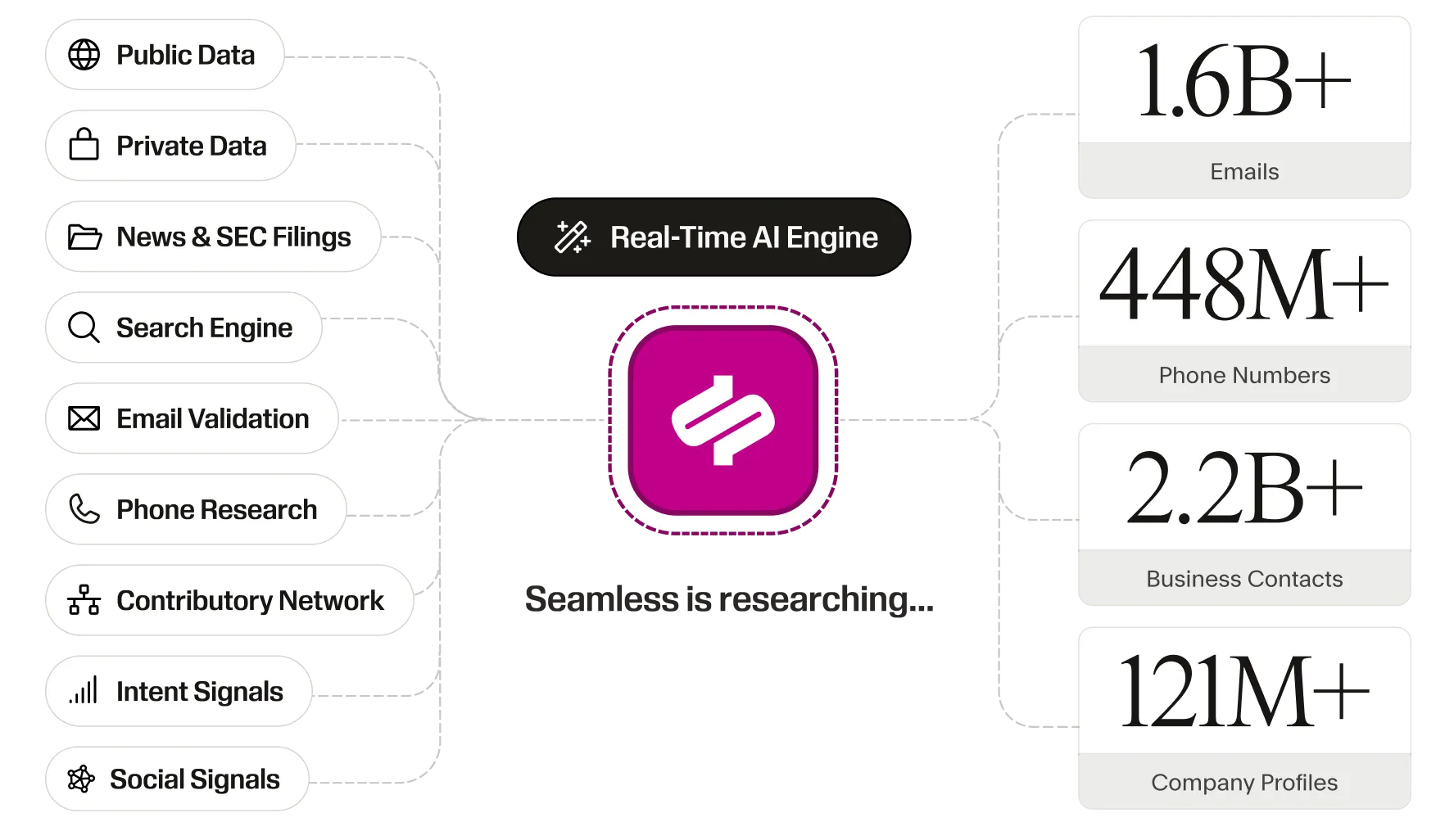
Seamless.AI is another contact-search option, but the same rule applies: a database result is not evidence that a person owns the vacancy or wants an unsolicited sequence. Use the result to verify a single, well-researched contact, then write a personal message that gives them a clear reason to reply.
Once you have an address, ZeroBounce can help you run a verification check before you send a thoughtful, one-to-one message. A verification result still cannot tell you whether the contact is the right person, so keep the role research and the message personalization separate from the tool.
Keep the research record light
For five to ten applications, a spreadsheet is usually the best system. Record the application date, the role, the source of the contact, the last action, and any instruction not to follow up. A tool should reduce confusion, not turn a job search into an automated campaign.
For a larger networking list, Folk can provide a contact record for notes and follow-up context. Use it as a personal research log, not as a reason to message multiple employees at the same company.

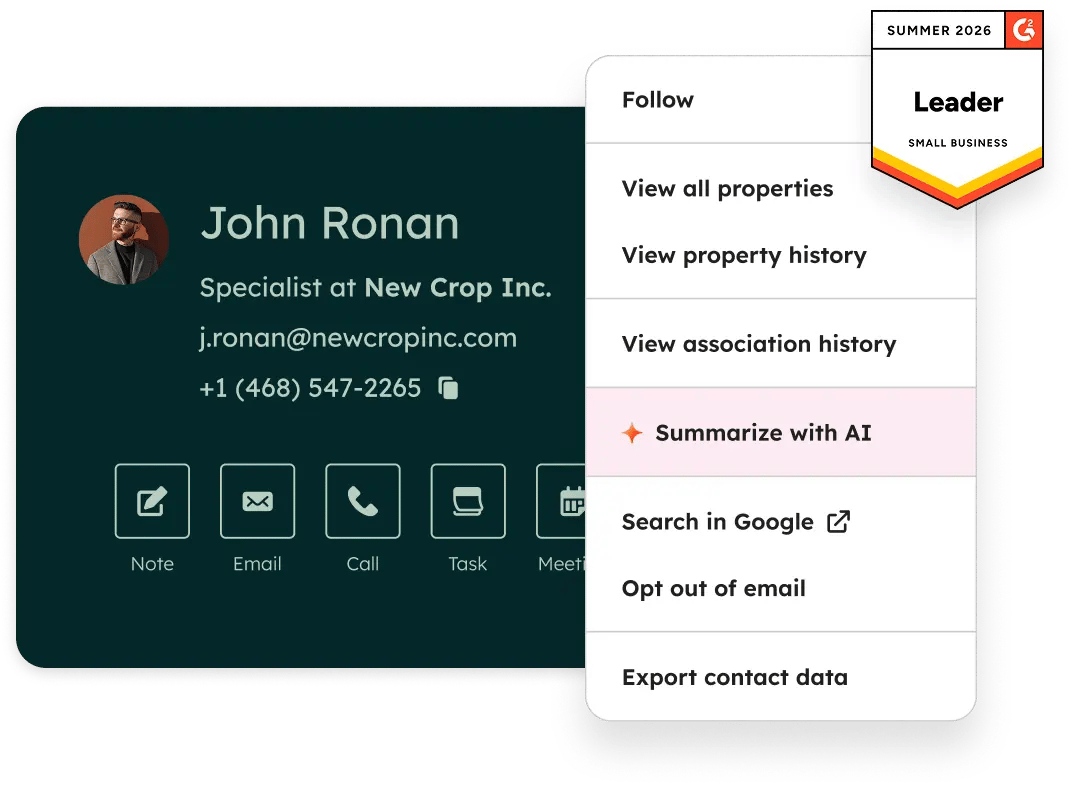
If a spreadsheet is no longer enough, HubSpot CRM is a more robust way to organize records and notes, although it is more system than most job seekers need. Start with the lightest process that helps you remember the context of each conversation.
Be careful with your personal information as well. The FTC’s guidance on job scams is a useful reminder to verify the employer through a known company channel and not share sensitive financial or identity details before a real interview and hiring process.
| Check | What to confirm | Next action |
|---|---|---|
| Role match | Current title, team, and duties fit the vacancy | Contact only if the connection is clear |
| Address | Name, company domain, and verification result agree | Use a public company channel if they do not |
| Timing | Application instructions and follow-up status | Wait, and respect any no-contact direction |
Write a short, specific message
Your first email should make the reason for writing clear in the opening lines. Mention the role, confirm that you applied through the company’s process, and connect one relevant skill or result to the job description. Keep the request modest, such as asking whether the person is the right contact or whether they can share one detail about the team’s priorities.
For example, a candidate for an e-commerce operations role could refer to experience coordinating inventory updates across a Shopify store and a warehouse system. That detail gives the reader a reason to continue. A broad statement about being passionate or a perfect fit gives them little to assess.
Use a subject line that names the role, then write a message of a few short paragraphs. Include your name, the job title, and a link to your resume or portfolio if it helps. Avoid attaching several files or asking for a referral before the contact knows what you can contribute.
Make the message easy to answer
A good first note has four pieces: the role, confirmation that you used the stated application process, one relevant proof point, and a small question. Your goal is not to force a decision. Your goal is to make it simple for the recipient to tell you whether they are the right person or point you toward the correct route.
Here is a structure you can adapt without copying word for word: “Hi [Name], I applied for the [Role] position through [channel]. I noticed the team is working on [specific responsibility from the posting]. My background in [relevant skill] may be useful because [brief outcome or example]. Are you the right person to ask one question about the team’s priorities, or is there someone else I should contact?”
The message works because it shows that you did the work first. It also gives the recipient an easy out. If they are not the right person, they can say so without having to handle a long pitch or a vague request for a referral.
LinkedIn’s own guidance for contacting a hiring team emphasizes a short, personalized message that you review before sending. Its recruiter-message help page is a useful platform-specific reference if you choose to start with a LinkedIn message instead of email.
For people who are comparing jobs with entrepreneurship, do not ignore the business fundamentals. The business formation checklist gives you a clearer picture of the legal and financial work involved in starting a store yourself.
Follow up without turning the application into a campaign
If you receive no reply, wait about a week, then send one brief follow-up in the same thread. Add a useful detail, such as a project that matches the role or a concise answer to a likely question. If the company’s application portal says not to contact the team directly, follow that instruction.
Recruiters and sales teams that contact many people may use automated behavioral email sequences to schedule planned follow-ups and pause when a recipient replies. SignalHire’s sequence feature is built for professional outreach workflows. A job seeker contacting one hiring manager should usually send a personal message and set a calendar reminder instead of putting the person into a bulk sequence.
Stop after that follow-up unless the person invites another message. A reply, even a short one, gives you a chance to ask a focused question. No response is also useful information. Keep applying through the employer’s stated process and spend your next search effort on a role that fits.
A respectful follow-up is a new signal, not a repeat
Do not resend the same email with “just checking in.” Add one new, relevant detail, such as a project you completed, a concise portfolio update, or a question that makes sense after reading a recent company announcement. If you have nothing new to add, your time is usually better spent on the next high-fit role.
That restraint matters in ecommerce. Owners, merchandisers, and operations leaders frequently work across launches, supplier issues, and customer escalations. A respectful message that arrives once with a clear reason is memorable in a way that a sequence of reminders is not.
If you are learning the skills behind the roles you want, the high-ticket sales career guide covers another ecommerce-adjacent path that rewards strong product knowledge and disciplined communication.
A final check before sending
Before you press send, read the message once as the recipient. Can they tell which role you mean, why you chose them, and what response you are asking for? Confirm the name, title, company, and link. Then send one message and keep your follow-up limited to the plan you stated.
Questions ecommerce job seekers often ask
Should I email the founder of a small ecommerce brand? Sometimes, but only if the posting and public team structure suggest the founder is close to hiring. When a recruiter or hiring manager is named, start with that person instead.
Is it okay to use an email finder for a job application? Use one only after you have identified a likely relevant contact, and treat the result as something to verify. Respect published application instructions and do not turn one application into outreach to a whole team.
How many follow-ups should I send? One brief follow-up after about a week is usually enough when direct contact is appropriate. Stop sooner if the company says not to follow up or the recipient indicates that the process is closed.
What should I track? Track the role, application date, contact source, why the person fits, your last action, and any instruction about future contact. This makes your follow-up deliberate instead of automatic.
What if I want to build a store rather than apply for another job? That is a different project with its own supplier, niche, cash-flow, and legal decisions. The resources in the E-Commerce Paradise community can help you learn from other operators, while coaching is a better fit when you want personalized guidance.
If you decide the ownership path is right for you, a turnkey store service can reduce the setup work, and the management service is designed for ongoing operational support after launch.
Related articles
- Best Freelance Marketplace in 2026: Top Platforms for Hiring and Getting Hired
- Lusha Review 2026: B2B Contact Data and Sales Intelligence for Finding Decision-Makers Fast
- How to Hire and Onboard a VA for Ecommerce Customer Service
- High Ticket Sales in 2026: What the Work Is, What It Pays and How to Get Started

Trevor Fenner is an ecommerce entrepreneur and world traveler from Seattle, Washington, and the founder of Ecommerce Paradise, a platform focused on helping entrepreneurs build and scale profitable high-ticket ecommerce and dropshipping businesses. With over a decade of hands-on experience, Trevor specializes in high-ticket dropshipping strategy, niche and product selection, supplier recruiting and onboarding, Google & Bing Shopping ads, ecommerce SEO, and systems-driven automation and scaling. Through Ecommerce Paradise, he provides free education via in-depth guides like How to Start High-Ticket Dropshipping, advanced training through the High-Ticket Dropshipping Masterclass, and fully done-for-you turnkey ecommerce services for entrepreneurs who want a faster, more hands-off path to growth. Trevor is known for emphasizing sustainable, real-world ecommerce models over hype-driven tactics, helping store owners build scalable, sellable, and location-independent brands.
He maintains homes in Seattle and Bali, spends most of the year overseas, and usually returns to Seattle for about a month each summer.


