


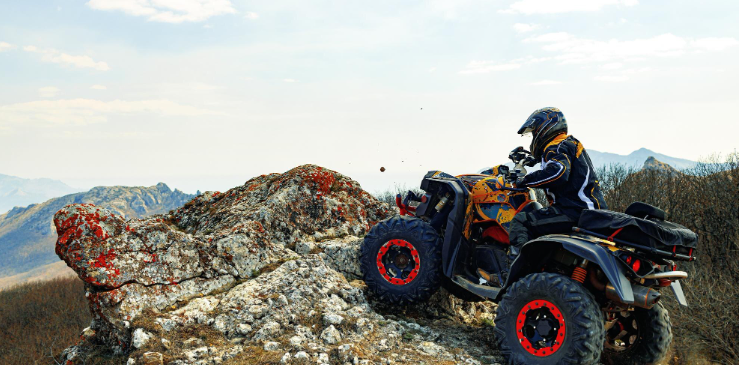
Your first ATV ride should feel exciting, not chaotic. Still, it’s worth taking the risks seriously. ATV-related incidents are responsible for an estimated 95,000 emergency department (ED) visits per year, with over a third (37%) of those injured being < 18 years old. That’s exactly why practical ATV riding tips, a clear beginner ATV guide, smart ATV safety tips, realistic ATV trail riding expectations, and what to know before riding an ATV all matter before you ever hit the throttle.
This guide covers first rides, trail preparation, route choices, and habits that help a new rider build judgment before attempting harder terrain. At E-Commerce Paradise, I spend a lot of time looking at high-ticket hobby categories online. The same rule works on the trail and in a store: learn the basics before you spend more money.
An ATV responds quickly to throttle, body position, braking, and terrain. Start slow, train on flat ground, and treat each ride as practice. A calm first season gives you a stronger base than a single aggressive weekend.
Essential Pre-Ride Preparation Every Beginner Should Complete
Good rides usually begin before the engine starts. A little preparation helps you avoid the awkward stuff: forgotten permits, poor gear, a machine that feels too jumpy, or weather that turns a simple loop into a long afternoon.
Utah is a great place to learn, but it asks you to pay attention. Around Heber City, you can find desert routes, mountain access, red rock views, and high-country weather that changes its mind quickly. Beautiful? Absolutely. Forgiving? Not always.
If you’re still choosing your first machine, start with local guidance. Checking with honda atv dealers utah can help because nearby dealers understand the terrain, carry beginner-friendly options, and offer service support when you’re learning the ropes.
Start with a walk-around on level ground. Check tire condition and pressure, fuel level, oil level, brake feel, loose fasteners, lights, and visible leaks. Read the owner’s manual before the first ride, then keep a printed copy or downloaded version with your trailer kit.
Plan the ride before loading the ATV. Choose a legal route, confirm the trailhead, check the weather, tell one person where you are going, and set a turnaround time. The plan should fit the least experienced rider in the group.
Choosing Your First ATV: Features to Prioritize
The right ATV should feel manageable, not intimidating. Look for smooth throttle response, comfortable seating, easy braking, and controls you can reach without stretching or fighting the machine.
| Feature | Beginner-Friendly Choice | Why It Helps |
|---|---|---|
| Power feel | Smooth, predictable response | Reduces sudden lunges |
| Transmission | Automatic or simple shifting | Lowers stress while learning |
| Fit | Feet flat on rests, easy reach | Improves balance and control |
| Support | Local service and parts | Keeps small issues from growing |
A dealer visit should include a sit-on test while wearing the boots and layers you expect to ride in. Your hands should reach the bars and levers without locking your elbows. Your knees should move freely when you stand over rough ground.
Skip the urge to buy the biggest engine in the showroom. A predictable machine with local parts support gives a beginner more room to learn. An intimidating throttle response turns simple practice into a stressful job.
Legal Requirements and Trail Permits Explained
Owning the right ATV is only part of the job. You also need to ride it legally. Check Utah registration rules, public land access, trail permits, and any route restrictions before you load the trailer.
Review Utah’s OHV registration and permit guidance before each trip. It covers registration, non-resident permits, education requirements, and street-legal rules. Route conditions, seasonal closures, and land-manager requirements change, so check the current source instead of relying on an old social post.
A map label does not grant access by itself. Public land can include designated motorized routes, closed areas, private inholdings, and seasonal restrictions within the same general area. Save your route information offline before you leave cell coverage.
Must-Have Gear for Safety and Comfort
Your gear is not just for “serious” riders. It’s for you, especially while you’re new. Wear a DOT-approved helmet, eye protection, gloves, long sleeves, long pants, and over-the-ankle boots.
Smart helmets, GPS trackers, and action cameras can be useful. Just don’t let gadgets replace judgment. A camera won’t save a bad decision.
The Consumer Product Safety Commission’s ATV guidance also recommends a helmet, eye protection, gloves, long pants, a long-sleeved shirt, and over-the-ankle boots. Buy gear for the conditions you expect, then replace damaged helmets and worn boots before the next season.
Fit matters as much as the label. Goggles should seal without pinching, gloves should leave room for lever control, and boots should protect your ankle without making it hard to work the controls. Wear the full setup during practice instead of waiting for a longer trail day.
First-Time Trail Skills That Actually Help
Once your ATV, paperwork, and gear are handled, the real learning starts. ATVs respond quickly to body position, throttle pressure, braking, and terrain changes. At first, that can surprise you.
Use short sessions to learn one skill at a time. Practice a smooth start, a controlled stop, a wide turn, and a hill approach before combining those moves on a trail. Repetition builds useful muscle memory without putting you in a rushed situation.
Mastering Controls and Understanding Your ATV
The best ATV riding tips start in a driveway, field, or open practice area. Learn the throttle, brakes, parking brake, kill switch, lights, and gear selector before you’re halfway up a hill wondering what does what.
Before each ride, check tire pressure, fuel, oil, lights, chain or driveline condition, and brake feel. It’s basic, yes. But basic is what gets you back to the truck.
A two-minute practice sequence
Warm up on open, flat ground. Start and stop several times, then practice gradual turns in both directions. Use the kill switch once while stationary so its location becomes automatic if you need it.
After that, move to gentle grades. Roll on the throttle smoothly, keep your eyes up, and stop well before the slope ends. A practice area gives you space to notice a bad habit before a tight trail exposes it.
Proven Techniques for Confident Handling
Knowing the controls is step one. Riding smoothly is step two. Keep your knees slightly bent, elbows relaxed, and eyes looking ahead instead of glued to the front tires.
On slopes, shift your weight uphill. Slow down before turns, not in the middle of them. In mud, sand, and rocks, steady input usually beats panic every time.
Keep both hands on the bars and both feet on the footrests. Look through a turn toward the exit, then use a gradual throttle input rather than snapping the throttle open. On sidehills, avoid fighting the ATV with stiff arms. Set your body position early and let the suspension work.
When a route looks beyond your current ability, turn around. There is no shame in saving a steep hill, deep water crossing, or tight rock section for another day. The safest decision often happens before the difficult feature starts.
Building Skills in a Safe Environment
Confidence comes from repetition, not bravado. Short rider courses can help; one program found that pre/post questions show a 13‑point improvement in scores about wearing a helmet on an ATV.
Beginner courses, group rides, and local demo days can give you practice without throwing you into the deep end. Some of those learning opportunities may be hosted through Honda ATV dealers in Utah, which can be helpful if you want hands-on guidance in a more controlled setting.
A hands-on course teaches position, braking, hill work, turning, and recovery with an instructor close by. It also gives you a useful chance to ask questions about the exact kind of riding you plan to do. Training is a better first upgrade than a performance accessory.
ATV Trail Riding Essentials for Beginners
After you can control the ATV, the trail adds a few extra layers: signs, other users, blind corners, changing surfaces, and trail etiquette. Good riders are predictable. That’s not boring. That’s safe.
The Bureau of Land Management’s Utah riding guidance tells riders to stay on designated trails, ride within their ability, carry emergency gear, respect closures, and share routes with other users. Treat those points as the standard for every first ride.
Reading Trail Signs and Trail Etiquette
Real ATV trail riding means following posted signs, staying on marked routes, and yielding when required. Slow down around hikers, horses, cyclists, and other riders.
If dust is heavy, leave space. Nobody wants to eat a cloud of grit because someone ahead got a little too excited.
Approach blind corners at a speed that leaves room to stop. Reduce speed well before groups, trailheads, gates, homes, livestock, or narrow passages. Keep sound and dust down near other users, then use a friendly signal when you pass.
Preparing for Changing Conditions
Trail conditions can shift fast. Watch for loose rock, wet clay, ruts, water crossings, heat, cold, and sudden storms.
Utah can give you sunshine at breakfast and slick trails by lunch. Check trail reports and weather alerts before leaving home, even if the sky looks friendly.
Set a weather cutoff before the trip. Lightning, low visibility, rising water, or a soaked clay route turn a beginner outing into a recovery problem. A changed plan is still a successful day when everyone returns safely.
Smart Wayfinding and Backup Plans
Even on familiar routes, have a plan. Carry a paper map, download offline GPS, and ride with a buddy when you can.
Tell someone where you’re going and when you expect to be back. It takes two minutes, and it matters.
Mark the trailhead, fuel range, turnaround point, and two exit options before you start. Do not rely on one phone battery or a signal that disappears after the first ridge. A map, charged backup battery, water, and a clear group plan reduce stress when a route changes.
Must-Follow Safety Rules for Every Ride
Safety is partly what you do. It’s also what you refuse to do when adrenaline shows up. The strongest ATV safety tips are often simple, but they count most when you’re tempted to rush.
Ride sober, wear the protective equipment, stay off public paved roads except where local rules allow crossing, and carry only the number of riders the vehicle was designed to carry. A single-rider ATV needs one rider. Save passengers for a vehicle built with passenger seats, handholds, and footrests.
Avoiding Common Beginner Mistakes
New riders often get into trouble by riding too fast, following too closely, ignoring fatigue, or choosing terrain beyond their skill level. Another big mistake is carrying passengers on an ATV not designed for them.
If your arms feel tired or your focus starts slipping, stop. There’s no trophy for pushing past your limits.
Another mistake is treating a group’s pace as a requirement. Let faster riders go ahead at a safe place, then continue at your own speed. Your first goal is to finish with the same calm judgment you had at the trailhead.
Trailside Troubleshooting for New Riders
Even careful riders can get stuck or have mechanical trouble. If you’re stuck, step off safely, look at the ground, and avoid spinning the tires deeper.
Carry a small repair kit, tire plug kit, tow strap, water, snacks, and a first-aid kit. You may not need them often, but when you do, you’ll be glad they’re there.
For a flat, mechanical issue, or stuck machine, pause before trying random fixes. Park in a stable spot, keep people out of the recovery line, and use the manufacturer’s recovery points. If the route or repair exceeds your group’s skills, ask for qualified help instead of creating a second problem.
Maximizing Your ATV Adventure in Utah and Beyond
Once your skills and safety habits are in place, the fun part gets better: choosing routes that match your ability. Beginner-friendly trails should have clear markings, manageable grades, and easy exit options.
Plan progression like a series of small steps. Start with flat, familiar trails and clear exits. Add distance, loose terrain, or modest hills one change at a time so you know what skill needs more work.
Beginner-Friendly Utah Riding Ideas
Look for established OHV areas with maps, parking, and posted difficulty levels. Mountain valleys, desert flats, and forest access roads can all be good starter choices when conditions are dry, and visibility is solid.
Guided tours are another smart option. You can learn the rhythm of trail riding without guessing every turn.
A “beginner” rating is a planning prompt, not a guarantee. Check recent weather, elevation, rider reports, route closures, and the actual distance from help. If a planned route includes a technical section, choose a shorter loop with a clear bypass for the first visit.
Connecting with the Local ATV Community
Riding gets easier when you learn from people who know the area. Local groups, workshops, demo days, and community events can introduce you to trail tips, maintenance advice, and riders willing to help newcomers.
Events connected with Honda ATV dealers in Utah may also introduce you to demo rides, service advice, and local trail tips.
Choose riding partners who respect the slowest rider and explain their plan before moving out. A helpful group checks intersections, waits at turns, and speaks up when the route no longer fits the group. Those habits matter more than an impressive machine.
Quick Reference Resources for New ATV Riders
A simple routine keeps your rides from feeling scattered. Save a checklist on your phone or print one for your trailer.
Your New Rider Checklist
Before leaving, confirm your permit, route, weather, fuel, water, helmet, gloves, tools, and emergency contact plan. This is where a practical beginner ATV guide earns its keep: it turns “I think I’m ready” into actual readiness.
- Inspect tires, brakes, controls, lights, fuel, oil, and visible fasteners.
- Wear a helmet, eye protection, gloves, long sleeves, long pants, and over-the-ankle boots.
- Confirm registration, education, route access, and closures.
- Download the map and share the route and return time with one person off the trail.
- Pack water, food, a first-aid kit, a tire kit, basic tools, and a tow strap.
- Ride a route that fits the least experienced person in the group.
Helpful Learning Sources
Use state OHV pages for laws, trail access, and closures. Add how-to videos from trusted rider education groups. Local clubs can also warn you about washouts, seasonal closures, and rough sections before you find them the hard way.
Utah’s official OHV hub links to current education, laws, permits, registration, and route resources. Use it as your first source for a Utah trip, then check the land manager responsible for your selected trail.
Final Thoughts on Starting Your ATV Journey Safely
New ATV riders don’t need to be fearless. They need to be ready. Choose a machine that fits, learn the rules, wear real protective gear, practice slowly, and pick trails that match your skill level. If you’re still shopping or unsure where to begin, demo rides and safety courses available through Honda ATV dealers in Utah can make that first step feel much less intimidating. Start patient, ride smart, and let the confidence build mile by mile.
The first ride is not the time to prove anything. Give yourself easy terrain, a reliable riding partner, and room to make deliberate choices. Those habits keep the hobby fun long after the new-machine feeling fades.
Common Questions New ATV Riders Ask
Before your first few rides, the same questions tend to pop up. Good. Asking them now beats learning by mistake later.
What should you do before each ATV ride?
Check your helmet, gloves, boots, tire pressure, brakes, fuel, oil, lights, and permit status. Tell someone your route, ride with a buddy when possible, and start with easier terrain than you think you can handle.
What to know before riding an ATV?
Know the controls, local laws, trail signs, right-of-way rules, and your own limits. Also understand that what to know before riding an ATV includes gear, weather, terrain, emergency planning, and basic maintenance.
Are electric ATVs good for beginners?
They can be, especially when power delivery is smooth and predictable. Still, range, charging access, weight, and service support matter. Test one first if possible, and compare it with gas models before buying.
What ATV Products Teach You About High-Ticket Ecommerce
ATVs, trailers, ramps, winches, riding gear, and replacement parts show why hobby categories deserve careful research. If you are evaluating the business model behind a specialty store, read my high-ticket dropshipping guide before committing to a store build.
Start with the product category and buyer before chasing broad traffic. My high-ticket niches list explains how I assess demand, competition, price points, and supplier depth for categories with serious purchase intent.
Outdoor products also expose a basic retail truth: parts availability, warranty policy, and dealer support shape the buyer experience after checkout. Use my supplier sourcing guide for high-ticket stores before approaching brands in a specialty category.
Before you apply for supplier accounts or run ads, set up the business properly. My business formation checklist for high-ticket dropshipping covers the legal and financial groundwork. If you want help narrowing an outdoor niche, my one-on-one coaching gives you a focused review of the opportunity and next steps.
Related Articles
If you found this useful, these guides go deeper on related topics:
- Outdoor Recreation Ideas for Riders Who Love New Challenges
- Vehicle Features Worth Prioritizing for Utah Road Trips
- Essential Trailer Features for Safe Livestock Transportation
- Shopify Store Setup for Outdoor and Camping Equipment Dropshipping
- Examples of High-Ticket Dropshipping Products

Trevor Fenner is an ecommerce entrepreneur and the founder of Ecommerce Paradise, a platform focused on helping entrepreneurs build and scale profitable high-ticket ecommerce and dropshipping businesses. With over a decade of hands-on experience, Trevor specializes in high-ticket dropshipping strategy, niche and product selection, supplier recruiting and onboarding, Google & Bing Shopping ads, ecommerce SEO, and systems-driven automation and scaling. Through Ecommerce Paradise, he provides free education via in-depth guides like How to Start High-Ticket Dropshipping, advanced training through the High-Ticket Dropshipping Masterclass, and fully done-for-you turnkey ecommerce services for entrepreneurs who want a faster, more hands-off path to growth. Trevor is known for emphasizing sustainable, real-world ecommerce models over hype-driven tactics, helping store owners build scalable, sellable, and location-independent brands.


