


Affiliate disclosure: Some links in this article are affiliate links, which means I may earn a commission at no extra cost to you. That does not change the advice here. I am looking at this from the operator side: when a 3PL actually makes your store easier to run and when it simply adds another bill.
Online shopping now accounts for roughly one in every six retail dollars spent in America. The US Census Bureau’s first-quarter 2026 report put e-commerce at 16.9% of total retail sales, or $326.7 billion. Most store owners feel that growth in their own inbox first, as late parcels, damaged boxes and refund requests.
At some point, packing orders yourself or trusting a supplier’s shipping promise stops working. That’s when a third-party logistics provider becomes a real option. This guide explains what a US 3PL does, when outsourcing makes sense, what it costs, and how to choose a warehouse partner without getting burned by hidden fees.
At E-Commerce Paradise, here is the honest version: a 3PL is not a milestone you unlock because your store looks more established. It is a cost and a system. For a lot of high-ticket stores, supplier-direct shipping is still the better answer. But if you buy inventory, sell enough of the same SKUs, or need faster delivery than a supplier can provide, a good warehouse partner can remove a real pain in the butt.
I see operators get this wrong in both directions. Some wait until their living room is full of boxes and customer service is slipping. Others move stock into a warehouse before the order volume can support the minimums. The right decision comes from the numbers: order volume, gross margin, delivery promise, return rate, and how much of your own time packing is actually costing.
If you are still deciding whether the inventory model even fits your business, start with my high-ticket dropshipping guide. That gives you the bigger picture before you add warehousing to the plan.
What a US 3PL Fulfillment Center Does
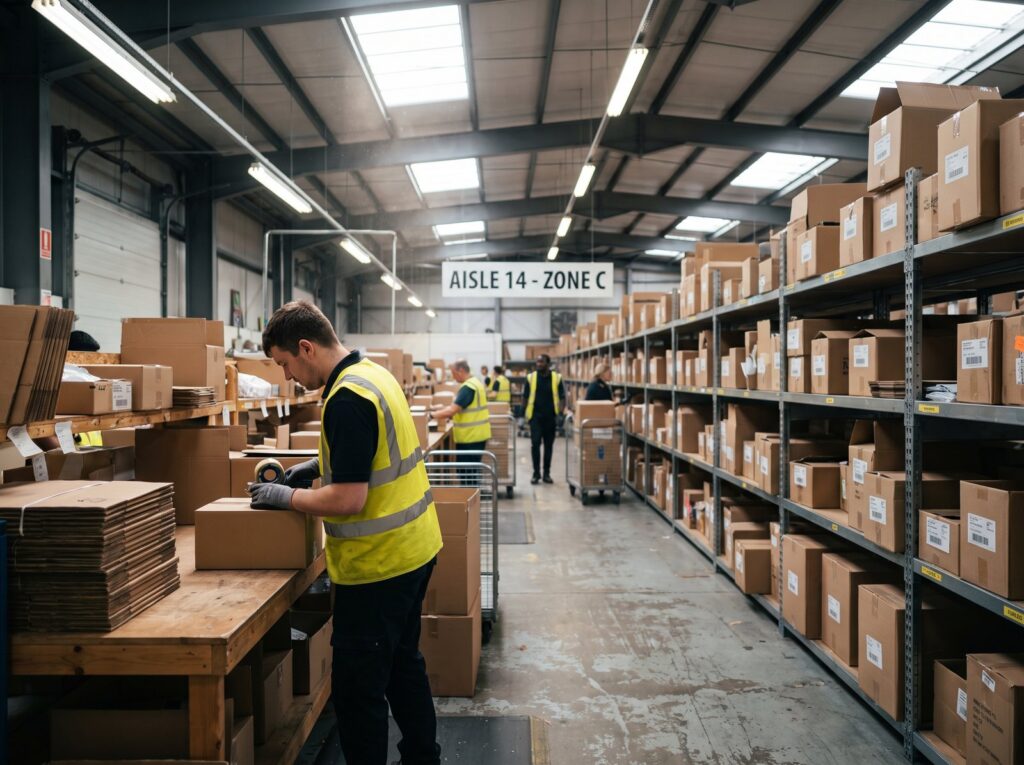
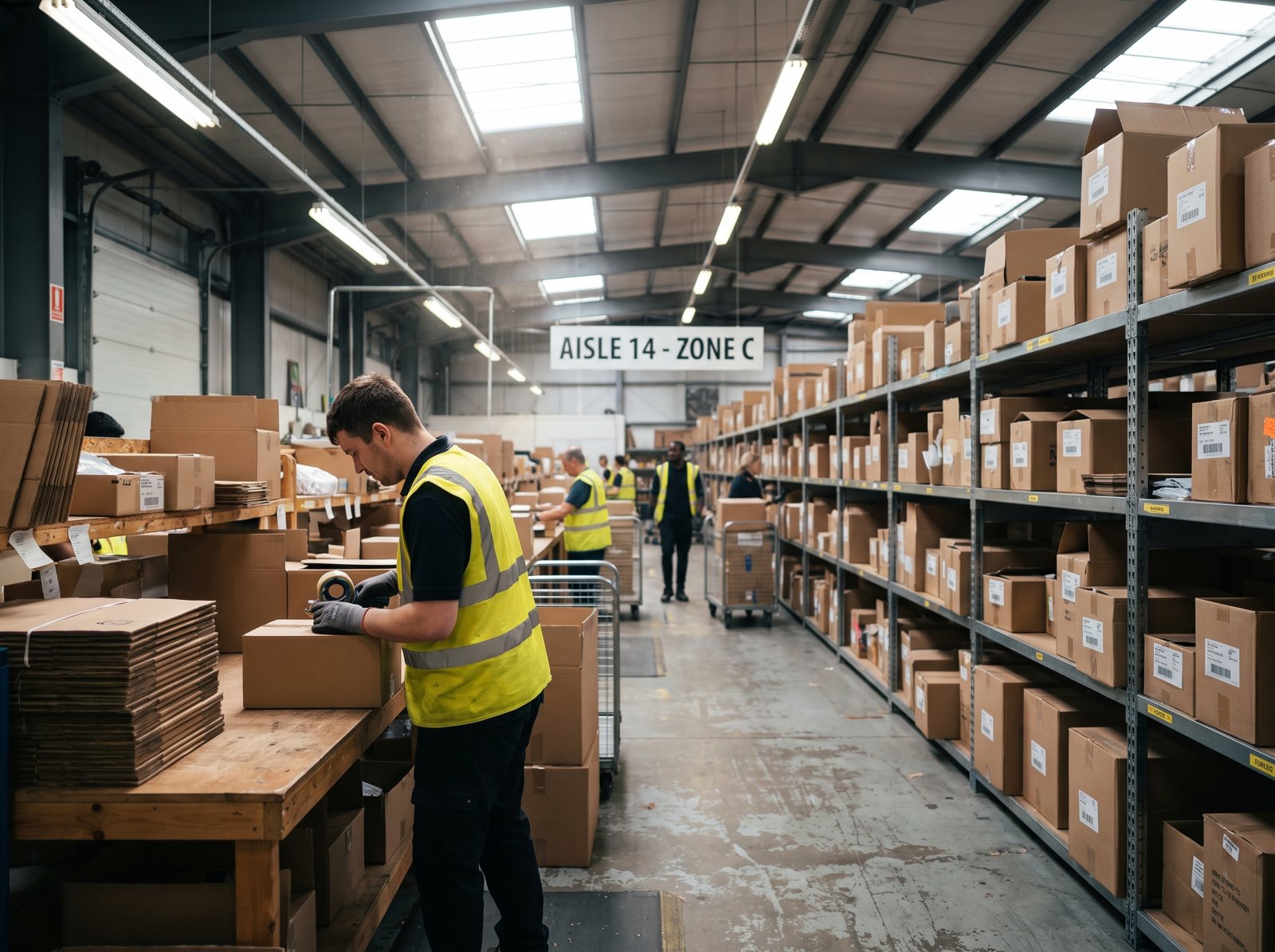
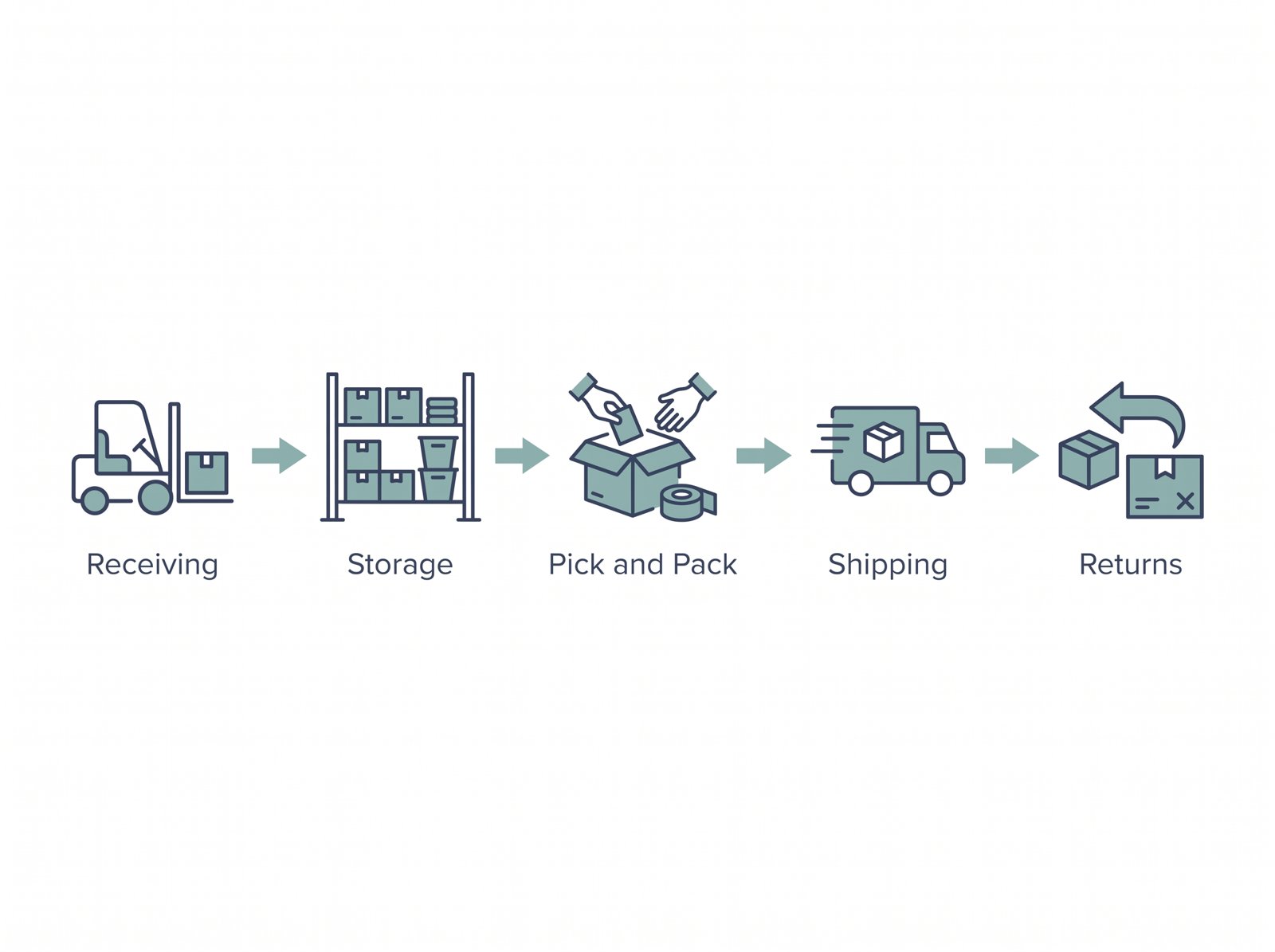
A 3PL fulfillment center in USA handles the physical side of your store. Your products arrive on pallets or in cartons, and the warehouse counts them, shelves them and links them to your catalog. When an order comes in from your store or marketplace, staff pick the item, pack it, print a label and hand it to a carrier. Returns come back to the same building, where they’re inspected and restocked or discarded.
The software matters as much as the shelves. A good provider connects to Shopify, WooCommerce or Amazon so orders flow in and tracking numbers flow out without anyone copying data by hand.
The industry is large, but the numbers need care. Armstrong & Associates’ US 3PL market size estimates show the market reached $323.4 billion in gross revenue in 2025, up 5.0% from the year before. Most of that figure is freight and transportation. The slice that stores and ships ecommerce parcels is far smaller, so treat headline market totals as context rather than a benchmark for your own costs.
In practice, the connection should do four things without manual cleanup: create orders, push inventory counts back to the store, send tracking updates, and give you a usable view of returns. Ask to see those workflows in a live demo with an order similar to yours. A sales deck can make every warehouse look the same. The exceptions are where the real work shows up.
For example, find out what happens when a customer changes an address after the label is created, an order has two shipping boxes, or a return arrives damaged. If the provider cannot explain that clearly, you will be the one explaining it to your customers later.
3PL vs. dropshipping vs. self-fulfillment
With self-fulfillment, you own the inventory and pack every box. With dropshipping, a supplier holds the stock and ships for you. With a 3PL, you own the inventory but a warehouse operator handles it. Our view on the site has been consistent: pure high-ticket dropshipping usually doesn’t need a 3PL, because the supplier already ships from its own facility. A 3PL enters the picture when you start buying inventory in bulk.
That difference matters because inventory changes the risk. Supplier-direct dropshipping protects your cash flow, but you have less control over packing, delivery speed, and the unboxing experience. Self-fulfillment gives you control, but it asks you to become a warehouse manager. A 3PL gives you operating leverage, but it adds receiving rules, storage charges, minimums, and another party that can make a mistake.
If you are still supplier-direct, a tool like Inventory Source can be worth checking out when you need catalog and stock synchronization without taking on warehouse inventory. It is not a substitute for a 3PL, but it can help you keep the lean model working longer.
The best question is not “should I use a 3PL?” It is “what problem am I solving?” If the problem is three-day supplier lead time or bad supplier communication, solve the supplier problem first. My supplier sourcing guide walks through that side of the business.
When Outsourcing Makes Sense (and When It Doesn’t)
Outsource when your setup has clearly outgrown you. The common triggers are easy to spot:
- You spend more hours packing than selling.
- Customers complain about delivery times that competitors beat.
- A marketplace or retailer demands faster, more consistent shipping.
- Seasonal spikes overwhelm your space or your helpers.
Don’t switch too early. A provider needs steady volume and stable SKUs to price your account fairly. If your catalog changes every month or you ship fewer than a few dozen orders a week, your garage and a shipping label printer will likely cost less.
E-commerce continues to take share of retail, and the Census Bureau’s quarterly retail e-commerce report tracks online sales growing faster than total retail sales.
Dropshippers face a specific decision. Suppliers with slow overseas shipping hurt reviews. Holding a few best-selling products in a US warehouse is a sensible next step. Before you commit, look at US-based dropshipping suppliers with domestic warehouses, which can cover the gap without a purchase order of your own.
If you are still deciding which products are stable enough to buy in bulk, my high-ticket niches list gives you a practical starting point for the product side of that decision.
What I would do is pull the last 90 days of orders and look for the repeatable part of the catalog. If 10 SKUs account for most orders and they are consistently in stock, those are the products that may justify a pilot. If every order is a different made-to-order item, the warehouse will not magically make the model simpler.
Also watch the customer promise. A 3PL makes sense when better delivery reliability lets you advertise a realistic, profitable shipping window. It does not make sense if you are only moving inventory because a competitor says “fast shipping” on the homepage. Your product, margin, and customer location still have to support it.
What US 3PL Fulfillment Costs
Every provider prices differently, but the cost lines are nearly universal:
- Receiving: a fee per pallet, carton or unit for checking stock in.
- Storage: charged monthly per pallet, shelf or bin.
- Pick and pack: a base fee for the first item and a smaller fee for each extra one.
- Packaging materials: boxes, mailers, tape and inserts.
- Shipping: carrier postage, often discounted through the provider’s contracts.
- Returns: a handling fee per returned item.
- Account fees: onboarding, software or monthly minimums.
Our own review of the all-in cost of a standard order in 2026 found $6 to $12 for a lightweight parcel and $2 to $5 per return. Your figure depends on weight, size and destination, so use that range only as a sanity check.
Monthly minimums and long storage on slow sellers cause the most surprises. A low per-order fee means little if you pay $500 a month whether you ship 50 orders or 500. Ask for a written sample invoice built from your actual order history.
Do not compare a 3PL quote using only the pick-and-pack number. Feed each candidate the same order data, then calculate the full cost of a normal order, a multi-item order, a return, and a slow month. If the provider will not price those scenarios in writing, that is useful information by itself.
I would also separate fulfillment cost from product cost in your bookkeeping. A platform like Finaloop can help ecommerce operators see the numbers after shipping, fees, returns, and inventory costs instead of relying on top-line revenue. You need that view before deciding whether a faster warehouse network is actually improving the business.
Be very clear on what “storage” means. A pallet position, a bin, and cubic footage can produce very different bills. Ask how often the provider bills storage, whether inbound cartons are broken down automatically, and what happens to old inventory. Slow stock is expensive twice: it ties up cash and it keeps charging rent.
For high-ticket products, also ask about freight, residential delivery, appointment scheduling, white-glove delivery, and damage claims. A $2,500 product often needs more than a small-parcel label. Your warehouse may be excellent at mailing accessories while being a terrible fit for oversized, fragile, or installed products.
Choosing a Warehouse Location and Shipping Speed
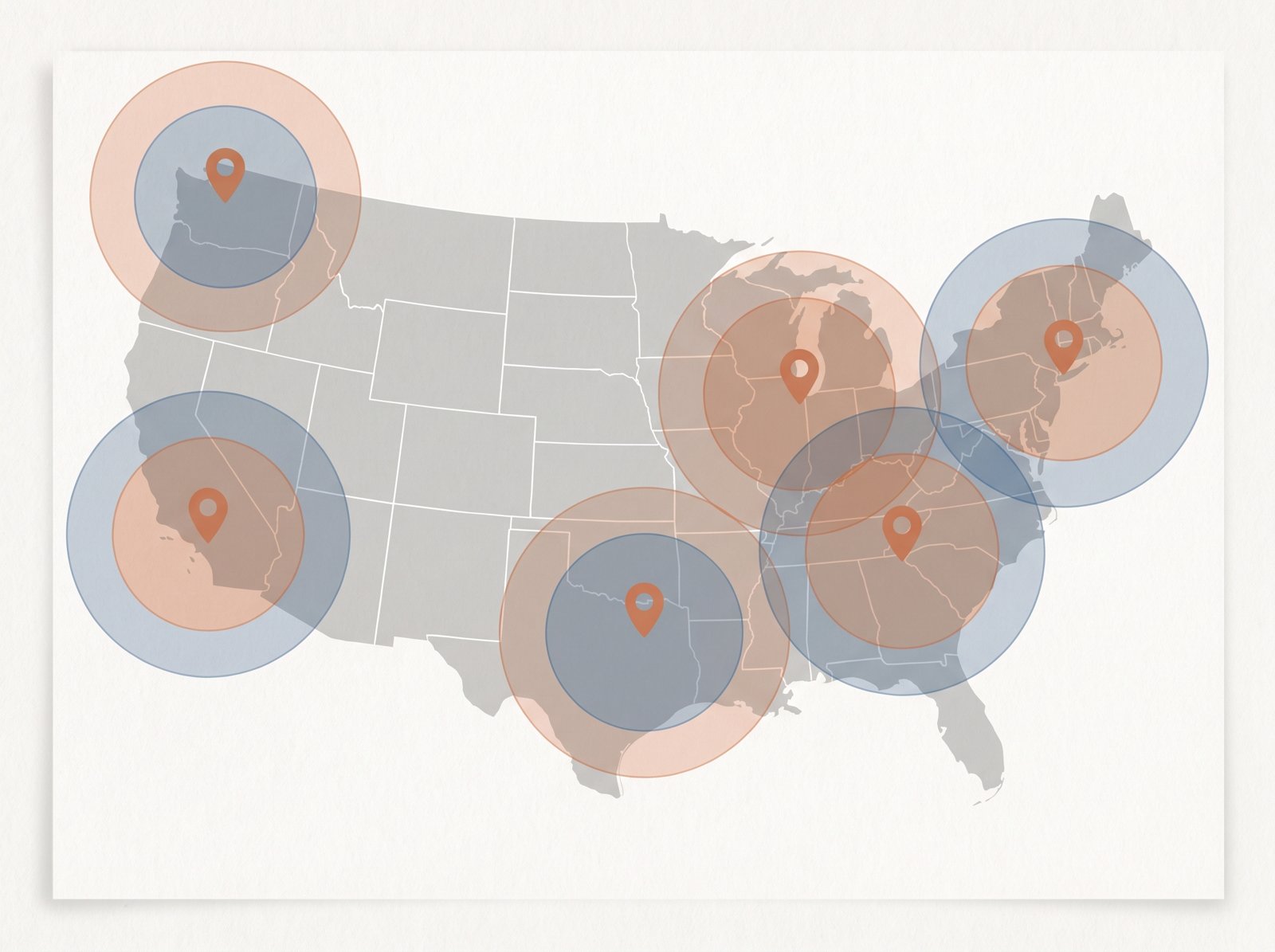
Distance drives both cost and delivery time. Carriers price parcels by zone, so a package that crosses six zones costs more and takes longer than one that crosses two. Look at where your customers live. If 60% of your orders go to the West Coast, a warehouse in New Jersey adds days and dollars to most of your shipments.
One warehouse is fine for many small brands, especially if customers are spread evenly. Multiple locations cut transit time, but they also split your inventory, which raises the risk of stockouts in one place while stock sits idle in another. Add a second node only when shipping data justifies it.
Vendors love to quote big savings from inventory placement, but those are marketing figures, not independent findings. Model your own shipments by zone and compare.
For a smaller brand, one centrally placed warehouse with good carrier rates is often better than trying to look national on day one. Two nodes mean more transfers, more reconciliation, and more forecasting. Add a second location when your actual order heat map shows a clear service or cost advantage, not because a map in a sales presentation looks impressive.
Shipping software can help you compare carrier options before you add network complexity. My guide to shipping software options is a useful next read for that side of the decision. If you need multi-carrier labels for orders that do not go through the warehouse, Easyship is worth testing against the provider’s own shipping workflow.
Service Levels, Technology and Integrations
Price is easy to compare; service is harder. Ask every candidate for these numbers in writing:
- Pick accuracy: aim for the high 99s and ask how they measure it.
- Order cutoff: many providers ship same-day if orders arrive before a set time, often between noon and 3 p.m. local time.
- Dock-to-stock time: how long inbound inventory takes to become sellable.
- Remedies: what the provider owes you for a lost or mis-shipped order.
Then check the plumbing. Confirm the provider integrates natively with your store platform, and see how tracking, inventory counts and returns appear in your dashboard. If you’re weighing tools for the shipping side, we’ve put together a look at how to compare shipping software options that pair well with outsourced warehousing. Also ask about branded packaging, kitting and inserts if your customer experience depends on them.
Tracking is part of customer service, not just warehouse administration. AfterShip is one option to look at when you want a branded order-tracking experience, but verify that the 3PL sends clean, timely tracking data before you add another tool to the stack.
Ask for the SLA in plain English. What counts as a late shipment? What counts as a mis-pick? How long do they have to answer a ticket? Who pays when an item is lost? A provider that says “we have a 99.9% accuracy rate” but cannot show the definition, the reporting period, or the remedy is giving you marketing, not an operating promise.
Customer-support tags can expose warehouse problems early. If “where is my order?” or “wrong item received” keeps appearing, that is a fulfillment metric. Gorgias can make it easier to organize those conversations, but you still need a weekly process for comparing the tag data against the warehouse scorecard.
Keep one owner responsible for the integration, even when the warehouse runs the day-to-day work. Somebody on your side needs to notice an inventory mismatch, a failed order import, or a tracking delay before it turns into fifty customer emails.
How to Vet and Pilot a Provider
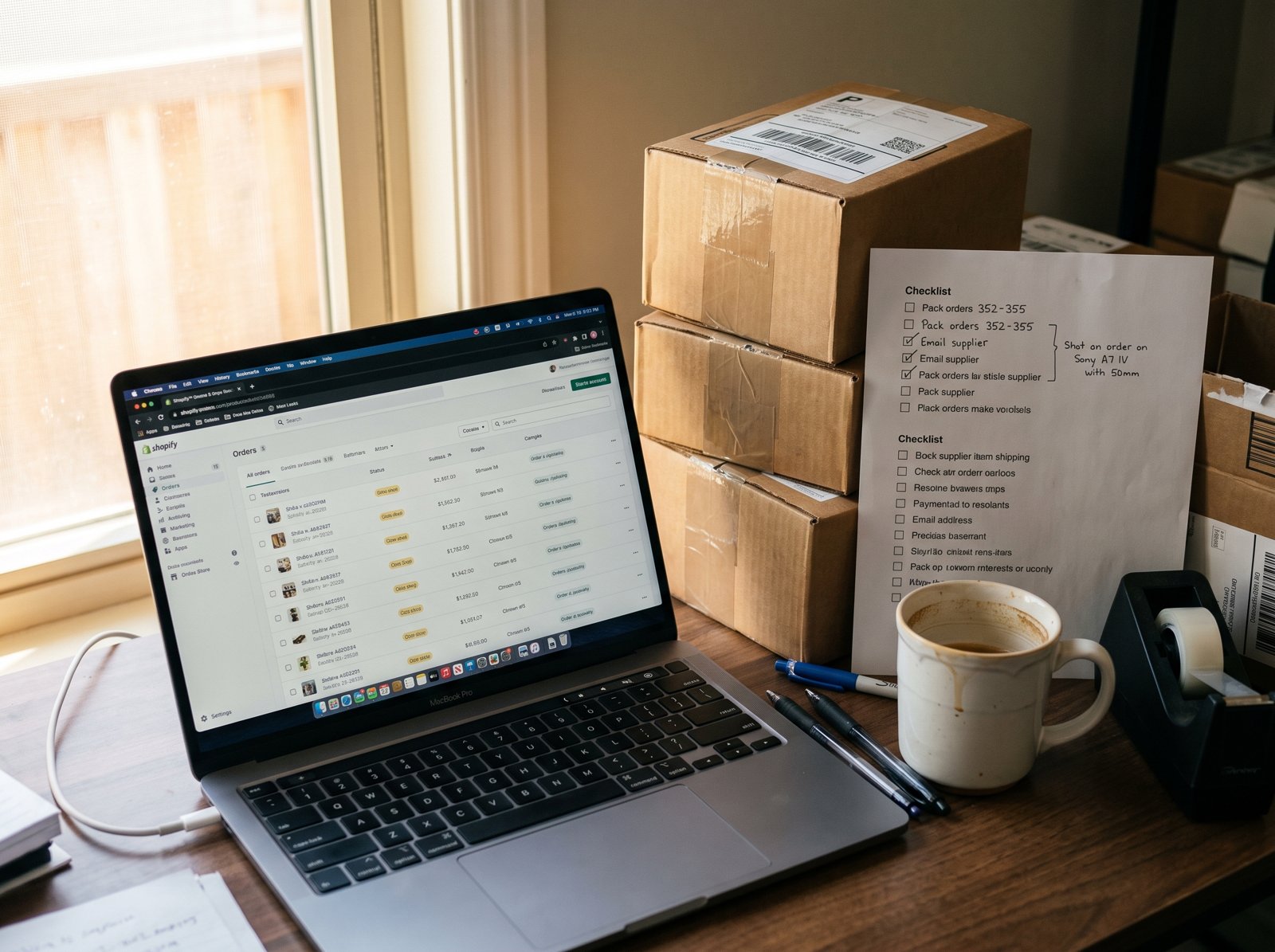
Comparison guides are often written by the providers themselves, so verify claims yourself. A practical process looks like this:
- Collect 90 days of order data: SKUs, weights, destinations and return rates.
- Request quotes from three providers using the same data.
- Ask each for references in your product category, and call them.
- Review the contract for term length, termination fees and liability limits.
- Run a small pilot with your best-selling products.
The pilot is the step people skip, and it’s the most valuable. A few hundred units over a few weeks will show you real accuracy, real transit times and real invoices. Definitions also vary widely between market sources; Mordor Intelligence’s 2026 US 3PL market analysis values the market well below Armstrong & Associates because it counts different services. Apply the same skepticism to any provider’s marketing numbers and ask them to define every term.
Set the pilot up like a test, not a soft launch. Decide in advance which SKUs are going, what a successful receiving time looks like, what pick accuracy you expect, and what the maximum acceptable invoice difference is. Then compare the result with your current operation using the same data.
I would include one normal week and, if possible, one promotion or busy period. Warehouses are usually fine when volume is easy. The useful test is whether they communicate when something gets weird, whether the dashboard matches reality, and whether they own the exception instead of bouncing it back to you.
Make sure the contract spells out data ownership and exit terms too. You need to know how quickly inventory can be released, what it costs to transfer out, and whether your order history and customer data remain accessible. A 3PL relationship should make your business more resilient, not make it harder to leave.
As you scale, keep the business basics solid alongside the operations. My business formation checklist covers the legal and financial foundation that should already be in place before you take on inventory and longer-term vendor commitments.
Conclusion
Outsource fulfillment when volume and delivery expectations outgrow your current setup, not before. Judge providers on accuracy, location and pricing transparency rather than the lowest headline rate. Test with a small shipment, read the contract, and expand once the numbers hold up.
A warehouse partner won’t fix a weak product or a leaky ad funnel. Used at the right time, though, it turns shipping from a daily chore into a reliable part of the customer experience.
Start with the data you already have. Pull your orders by SKU and destination, price a realistic month, and run a contained pilot. If the warehouse can save time, protect margin, and improve the customer experience, then it is earning its place. If it cannot, stay lean and keep working the supplier side of the business first.
If you want help deciding whether the inventory and operations side is right for your store, you can explore my ecommerce coaching. I can help you work through the tradeoffs without guessing your way into a monthly minimum.
Related Articles
If you found this useful, these guides go deeper on related topics:
- Shopify Order Fulfillment Guide for High-Ticket Dropshipping
- Private Label Supply Chain Problems: How to Take Control as You Scale
- Your Bulky Boxes Just Got More Expensive to Ship
- Finale Inventory Review 2026
- What Is High-Ticket Dropshipping?

Trevor Fenner is an ecommerce entrepreneur and the founder of Ecommerce Paradise, a platform focused on helping entrepreneurs build and scale profitable high-ticket ecommerce and dropshipping businesses. With over a decade of hands-on experience, Trevor specializes in high-ticket dropshipping strategy, niche and product selection, supplier recruiting and onboarding, Google & Bing Shopping ads, ecommerce SEO, and systems-driven automation and scaling. Through Ecommerce Paradise, he provides free education via in-depth guides like How to Start High-Ticket Dropshipping, advanced training through the High-Ticket Dropshipping Masterclass, and fully done-for-you turnkey ecommerce services for entrepreneurs who want a faster, more hands-off path to growth. Trevor is known for emphasizing sustainable, real-world ecommerce models over hype-driven tactics, helping store owners build scalable, sellable, and location-independent brands.

Still deciding what to sell?
Grab the free list of 1,000+ niches that work for high-ticket dropshipping, sorted by category.
Free. Unsubscribe any time.


