

High-ticket ecommerce is not a one-click business. When a shopper is considering a $1,500 patio set, a $4,000 massage chair, or a $10,000 commercial product, they often need product details, delivery clarity, financing information, or a straight answer from a real person before they buy. If the right person does not respond quickly, the sale often goes to the brand that does.
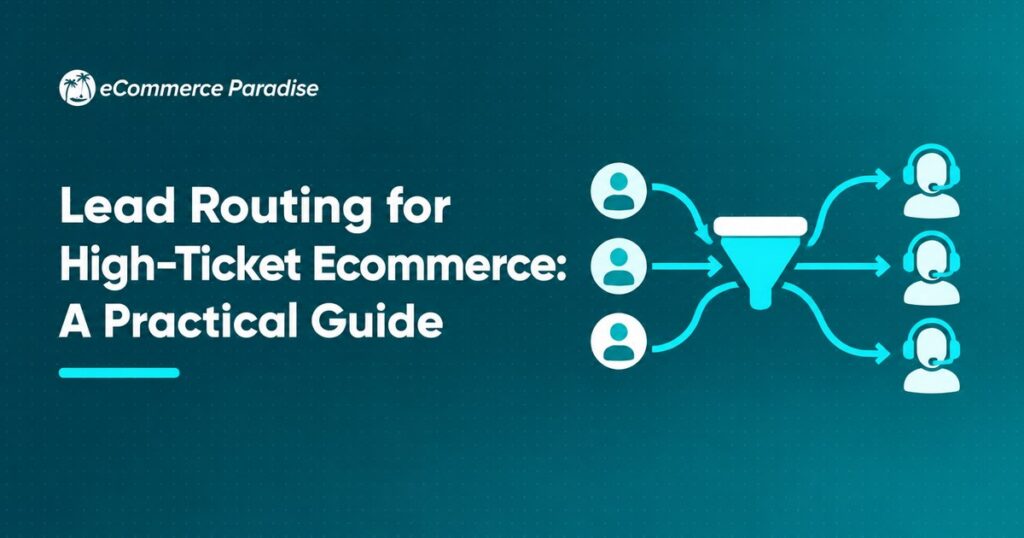
That is why lead routing matters. At Ecommerce Paradise, I treat routing as part of the sales process, not a hidden CRM setting. A good system notices who is asking, what they are interested in, how urgently they are moving, and who on your team is best positioned to help. If you are still building the model itself, start with my high-ticket dropshipping guide.
This guide walks through the signals, rules, and tools that turn paid traffic into useful conversations. You do not need an enterprise stack on day one. You do need a clear idea of what deserves a fast human response and what your team needs to see before making that call.
Affiliate disclosure: some links in this article are affiliate links and I may earn a commission at no cost to you. It does not change which tools I recommend or what the research found.
| Routing approach | Best use | Primary signal | What it protects |
|---|---|---|---|
| Round-robin | Even lead volume across a small available team | Agent turn and availability | Speed and fair workload |
| Skill-based | Complex products or specialist questions | Product, language, or sales expertise | Customer confidence |
| GEO- and time-based | Regional coverage and business-hour handoffs | Location and local time | Response quality |
| Value-based | High-intent, high-margin, or wholesale opportunities | Estimated order value and fit | Return on ad spend |
Why High-Ticket Ecommerce Demands Advanced Lead Routing
Basic routing sends every form fill into one shared queue. That approach looks organized until a high-value buyer waits behind a low-intent inquiry, a wholesale prospect reaches a new sales rep, or an after-hours caller gets no answer. Higher price points leave less room for those misses.
Speed-to-Lead Factor
Fast follow-up signals that your store is legitimate and that support will still be there after the order. A buyer who submits a question about stock, freight, or compatibility is usually comparing options in the moment. The first helpful answer has a real advantage over a polished response that arrives tomorrow.
Harvard Business Review’s research on online sales leads is a useful reminder that lead decay starts early. Build routing around an achievable response target, then watch the gaps between form submission, first contact, and a meaningful next step.
Paid traffic needs a real handoff. If your ads bring in qualified calls but nobody owns the follow-up process, my Google and Bing Ads management service focuses on the full path from campaign to conversation.
Consultative Selling vs. Transactional Selling
Low-ticket ecommerce relies on speed, product pages, and a checkout flow. High-ticket ecommerce still needs those things, but it adds a consultation layer. Buyers ask whether the product will fit, ship to their area, work with existing equipment, or make financial sense for their situation.
Routing should reflect that reality. A product expert should receive a detailed technical question. A rep who knows financing should receive a payment-plan inquiry. A support teammate should not have to recreate the entire conversation after the shopper has already explained what they want.
B2B vs. B2C
A B2C buyer might need confidence about one personal purchase. A B2B lead often involves a purchase order, multiple decision makers, tax documentation, installation requirements, or a repeat buying opportunity. The routing rules should identify those paths early instead of forcing both groups through the same consumer flow.
Simple firmographic fields help here. Company name, project size, industry, number of locations, and expected order range give your team a better starting point. If you are putting the legal and financial foundation in place for larger transactions, my business formation checklist for high-ticket dropshipping covers the work that belongs behind the sales process.
Protecting Your ROAS
Ad spend does not produce a return when qualified conversations die in an inbox. A routing setup protects ROAS by giving high-value traffic priority, recording what happened next, and separating leads that need sales attention from people who only need a quick answer.
It also gives your marketing data a chance to improve. Google’s enhanced conversions for leads implementation guidance explains how qualified-lead and converted-lead actions feed better outcome data back into Google Ads. For the broader strategy, read my guide to marketing high-ticket products with long sales cycles.
Different Types of Lead Routing
There is no prize for building the most complicated routing tree. Start with the least amount of logic that protects fast response and specialist access. Add rules once you have proof that a specific pattern affects sales, service quality, or workload.
Round-robin routing rotates new leads between available people. It is a solid starting point for a small team selling a narrow range of products, especially when every rep is trained on the same process. The weak spot shows up when one lead needs much more expertise than another.
Skill-based routing assigns leads based on the product category, language, customer type, or sales situation. A customer asking about commercial installation should reach someone who knows the requirements. This route is often worth the setup effort when the product catalog is technical or the average order value is high.
GEO- and time-based routing uses the shopper’s location and local time. It helps teams cover multiple regions without making a buyer in Australia wait for a United States team to wake up. It also helps stores send local pickup, delivery, or regulatory questions to someone who understands that market.
Value-based routing gives priority to the leads with the strongest revenue potential. A shopper with a $5,000 cart, repeat-site visits, and a request for delivery timing deserves a faster path than a first-time visitor asking for a discount code. Keep the rule transparent so the team understands why the order changed.
Signals That Feed Into Your Routing Logic
Routing gets smarter when the trigger is more useful than a name and an email address. You do not need to collect every possible data point. You need a small set of signals that point toward intent, fit, and urgency.
Estimated Order Value
Cart value, product price, requested quantity, and configured options give you an estimated order value. A lead for a single accessory does not need the same response path as someone pricing a full room, a commercial purchase, or a multi-unit order. Use a threshold that matches your margins and sales capacity.
Niche economics matter too. A store with a $3,000 average order value will route differently from one that sells $600 products with fast repeat orders. My high-ticket niches list helps clarify why price, margin, and buyer behavior belong together before you write the rules.
Demographics and Firmographics
Location, household context, customer type, company size, and industry offer helpful routing clues when they are relevant to the purchase. Do not make the intake form exhausting. Ask for the fields that change who should respond or what they need to know.
For example, a residential buyer looking for a single outdoor product often needs product education and financing details. A property manager looking for twenty units often needs a quote, freight planning, and an account owner. Those are different conversations even when the product category overlaps.
Engagement Velocity
Engagement velocity is the pace and depth of a shopper’s activity. Multiple visits to the same product, a return to the cart, a quote request, a calendar booking, or a sudden increase in live-chat activity all suggest that the buyer is moving closer to a decision.
Do not confuse every click with purchase intent. A better rule combines behavior with context. A person who opened five product pages over two weeks is different from a person who viewed a product, added it to cart, checked delivery options, and asked whether it is in stock today.
Historical Patterns
Your own closed deals are the best place to find repeatable routing patterns. Look at which product groups create the longest sales cycles, which regions produce the highest freight questions, and which lead sources tend to turn into serious orders. That information should shape your first routing rules.
Review the rules every month, not every hour. Frequent manual changes make it difficult to tell whether the system improved. A simple report on response time, contact rate, quote rate, and closed revenue gives you enough evidence to make the next adjustment.
Want a second set of eyes on your sales process? My ecommerce coaching is built for operators who want practical help with the systems behind higher-ticket sales.
How To Build Your Lead Routing Tech Stack
Your stack does not need to be expensive, but every important handoff needs a clear owner. The CRM should hold the source of truth. Your ecommerce platform should pass product and customer context into it. The routing layer should do only the work that creates a better next conversation.
Choose the Right CRM
I would start with a CRM that makes lead ownership, lifecycle stages, notes, tasks, and reporting easy for the team. HubSpot is a strong fit for stores that need one place to manage form submissions, sales tasks, email activity, and pipeline reporting without building everything from scratch.
Keep the lead record useful. At minimum, include source, product interest, estimated order value, location, current owner, response deadline, and next action. Salesforce’s assignment-rule documentation illustrates the basic principle: a rule sends a lead to a user or a queue based on defined conditions.
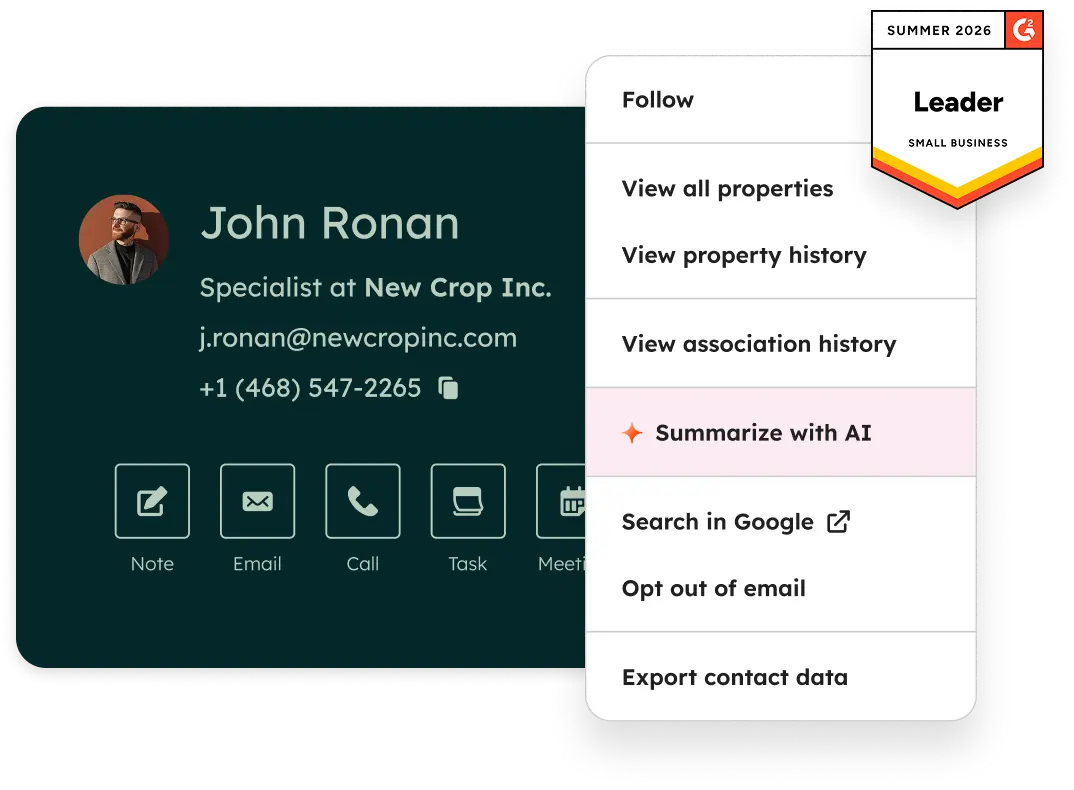
Use stages that match the real journey, such as new inquiry, contacted, qualified, quote sent, follow-up due, and closed. A stage called “working” does not tell anyone what must happen next. For teams that want a clean CRM foundation, HubSpot gives you a practical starting point.
Need the operation built around your goals? My ecommerce management service helps brands connect marketing, customer experience, and day-to-day execution without adding random software for the sake of it.
Connect Your E-Commerce Platform
The CRM is only as helpful as the context it receives. Pass through product names, cart value, cart contents, customer history, location, delivery preferences, and the page or campaign that generated the inquiry. That data stops a sales rep from asking a buyer to repeat information your store already has.
Supplier information belongs in the process too. Stock availability, lead times, shipping restrictions, and product compatibility all influence who should respond and how quickly. My guide on finding high-ticket dropshipping suppliers explains why reliable supplier communication is part of the customer experience.
Define Your Qualification Criteria
Qualification criteria should help your team decide what to do next, not disqualify buyers too early. Start with a few fields that matter to the sale: product category, order range, customer type, location, timeline, and whether the person has a clear question or purchase goal.
Then set a response path. A high-value cart with an urgent delivery question goes to the fastest qualified rep. A wholesale inquiry goes to a B2B owner. A basic shipping question receives a helpful support response with an option to escalate. That is much better than treating every inbound message like the same kind of lead.
Additional Tools for Lead Routing
Routing does not start or end with the CRM. The best setups use other tools to capture context, answer routine questions, and give people a way to reach the right specialist without creating a maze for the buyer.
Chatbots
A chatbot works well when it collects product interest, order range, timing, and basic customer details before handing off to a person. It should answer simple questions quickly and offer a clear human path when the conversation becomes specific. Tidio is worth evaluating for stores that want AI-assisted chat alongside live support.
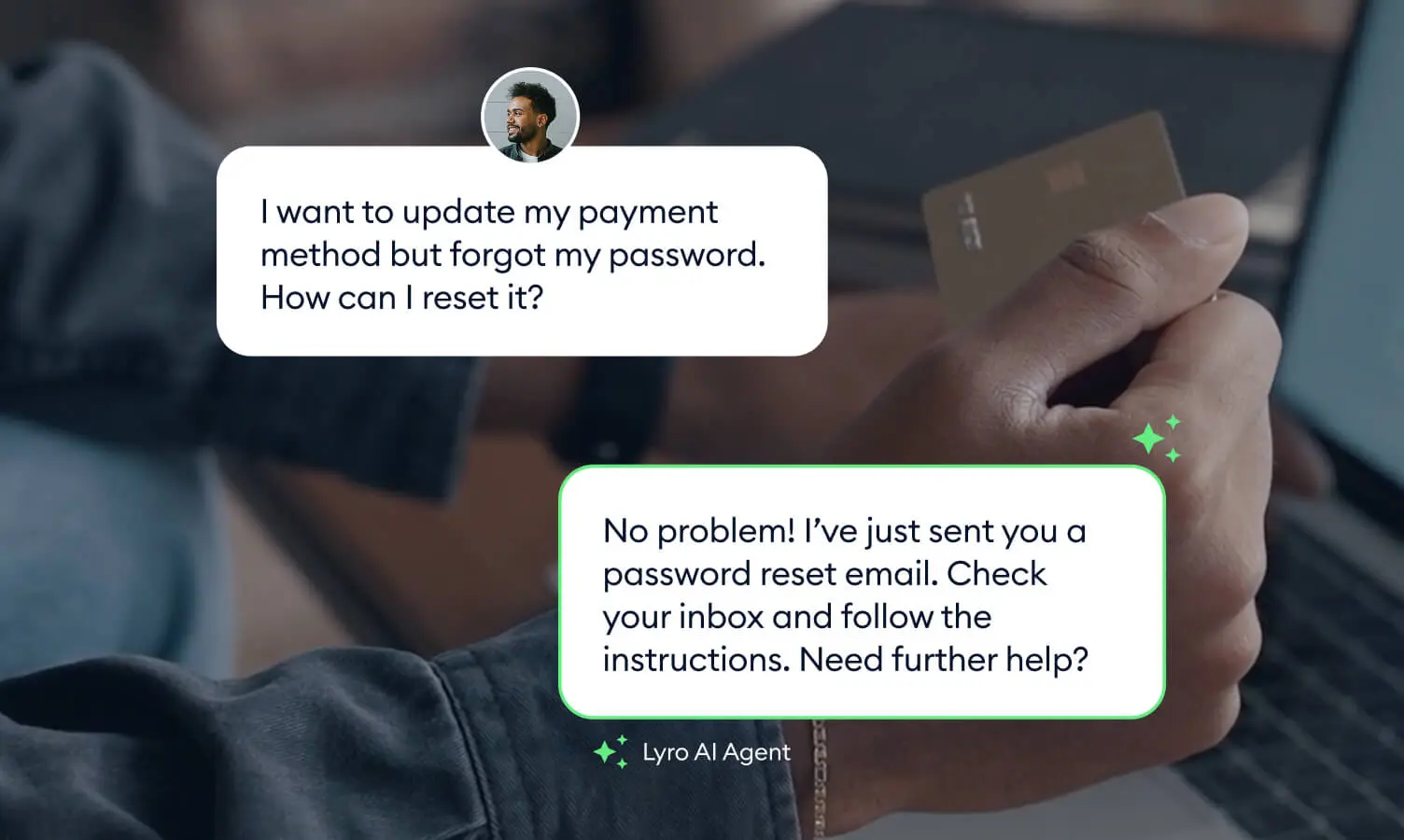
The important part is the handoff. Send the chat transcript, product page, cart data, and collected answers into the lead record before a rep joins. A well-configured Tidio flow gives your team a useful starting point instead of another disconnected inbox.
IVR
Interactive voice response, or IVR, helps callers choose a route when phone calls are a meaningful part of your sales process. Keep the options short and written in the customer’s language. A caller who wants a quote, a delivery update, or technical help should reach the right group without listening to a long phone tree.
Use IVR to sort intent, not to hide from people. High-ticket buyers are calling because they want confidence. Give them a direct route to a person when the question involves product fit, pricing, delivery, or a purchase decision.
AI-Powered Call Agents
AI-powered call agents are useful for initial qualification, overflow coverage, and simple updates when your team is unavailable. They should capture the important details, confirm what happens next, and escalate sensitive or complex conversations. They should not pretend to be a human sales specialist or pressure someone into a purchase.
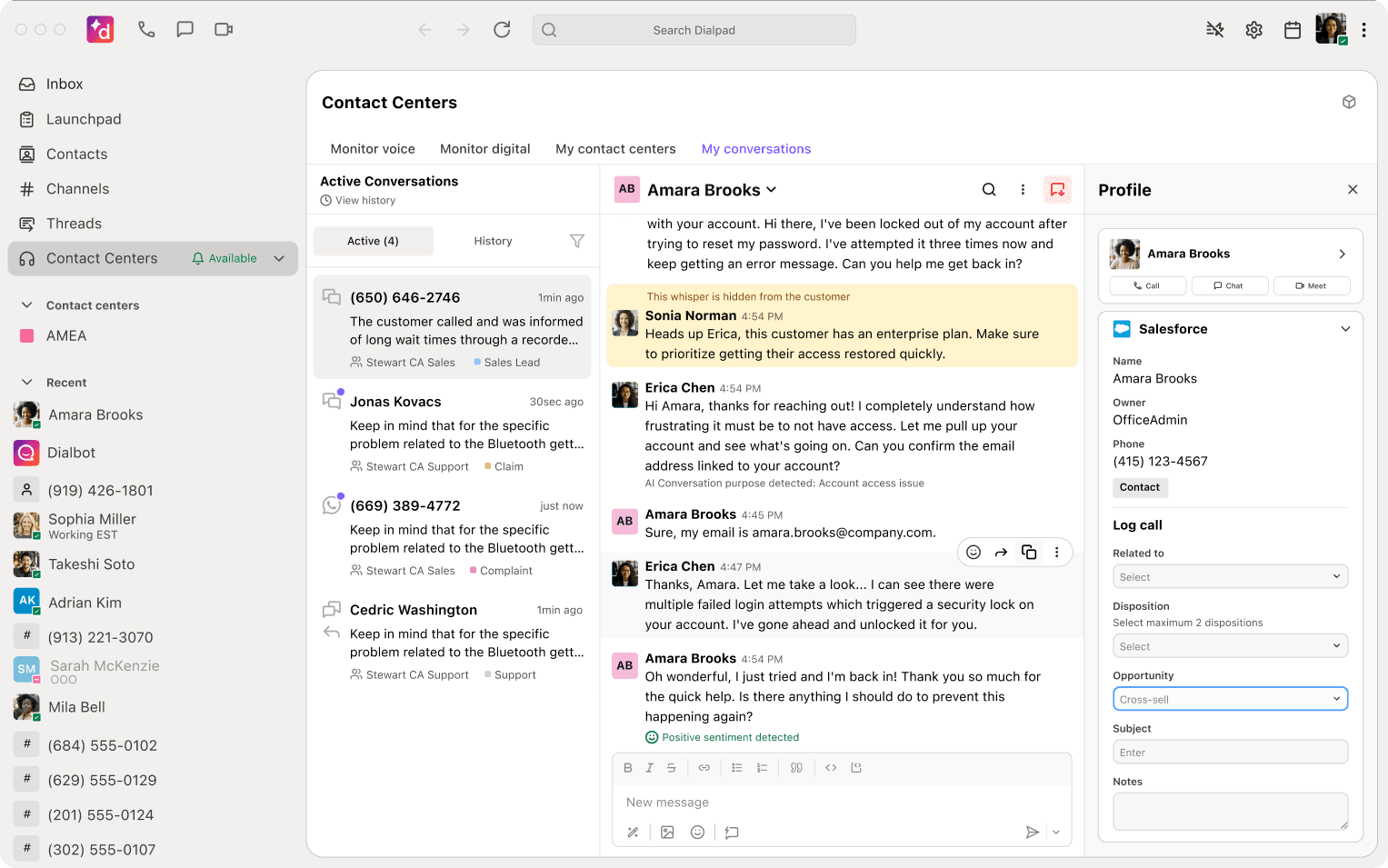
For teams that rely on calls, Dialpad brings business calling and contact-center tools into one environment. It is most useful when the call record, notes, and next action need to stay visible to the person who owns the lead.
Ready to tighten the handoff between traffic and sales? My scaling service is for established ecommerce brands that need stronger acquisition and conversion systems.
Common Pitfalls To Avoid
- Overcomplicating the rules: Start with the few paths that change customer experience. A giant routing tree is difficult to explain, maintain, and debug.
- Ignoring agent availability: A lead assigned to an expert who is busy, off shift, or away for three days is not assigned in practice. Add fallback owners and realistic service-level targets.
- Lack of analytics: If you only track the number of leads, you will miss the point. Monitor time to first response, contact rate, qualification rate, quote rate, and closed revenue by source and route.
One more pitfall is building the system around what is easiest for the business instead of what is easiest for the buyer. A customer should never need to understand your internal org chart to get a useful answer. The routing logic should be invisible when it works well.
FAQ
What is lead routing in ecommerce?
Lead routing is the process of assigning an inbound call, form submission, chat, or quote request to the right person or queue. In ecommerce, the best assignment uses customer context such as product interest, cart value, location, urgency, and customer type.
When does a high-ticket store need lead routing?
You need lead routing once more than one person handles inquiries, different products need different expertise, or response speed affects sales. A solo founder often starts with a simple shared inbox, but the process needs structure before high-value opportunities begin falling through the cracks.
Should I route leads by cart value?
Cart value is a strong signal, but it should not be the only one. Combine it with product type, engagement, timeline, shipping requirements, and customer type. A lower cart with an urgent commercial need often deserves more attention than a higher cart from someone who is still researching.
Does a chatbot replace a sales rep for high-ticket ecommerce?
No. A chatbot is better at collecting context, answering routine questions, and keeping the conversation moving. For an expensive or complex purchase, a knowledgeable person still has the edge when the buyer needs judgment, reassurance, or a tailored recommendation.
What tools should I start with?
Start with one CRM, a clear intake form, and a basic set of routing rules. Add chat and call tools after the core handoff works. If phone conversations are central to your sales process, Dialpad is a sensible option to evaluate alongside your CRM.
The best routing system makes a buyer feel understood, not processed. Map the questions that lead to revenue, send them to people equipped to answer well, and give every important lead a clear next step. That is how you make paid traffic, product knowledge, and sales effort work together.
Want help building a more reliable high-ticket store? See my done-for-you ecommerce service if you want an experienced team to help build the systems around your store.
Related Articles
If this guide helped, these articles go deeper on the sales and operating systems behind high-ticket ecommerce:
- What Is High-Ticket Dropshipping? A Comprehensive Guide
- High-Ticket Niches List: 150+ Best Dropshipping Niches
- How to Market High-Ticket Products With Long Sales Cycles
- Best Power Dialers for Sales Teams
- Best Business Phone Systems for Ecommerce Support Teams

Trevor Fenner is an ecommerce entrepreneur and the founder of Ecommerce Paradise, a platform focused on helping entrepreneurs build and scale profitable high-ticket ecommerce and dropshipping businesses. With over a decade of hands-on experience, Trevor specializes in high-ticket dropshipping strategy, niche and product selection, supplier recruiting and onboarding, Google & Bing Shopping ads, ecommerce SEO, and systems-driven automation and scaling. Through Ecommerce Paradise, he provides free education via in-depth guides like How to Start High-Ticket Dropshipping, advanced training through the High-Ticket Dropshipping Masterclass, and fully done-for-you turnkey ecommerce services for entrepreneurs who want a faster, more hands-off path to growth. Trevor is known for emphasizing sustainable, real-world ecommerce models over hype-driven tactics, helping store owners build scalable, sellable, and location-independent brands.


