

Starting an ecommerce store looks location independent from the outside. You build a site, add products, set up payments, and run daily tasks from a laptop. A Shopify store handles much of the online side, yet order growth brings physical work back into the picture.
After 15 years in ecommerce, I look at the business as an operating system, not a website. Your store, suppliers, shipping partners, customers, and support team all need to work together. If you are new here, E-Commerce Paradise focuses on the practical side of building a real business, especially for store owners who want higher margins and fewer orders.
High-ticket dropshipping removes much of the packing and storage work from your own schedule. The model still calls for supplier checks, customer updates, order follow-up, and a solid process when a shipment goes sideways. A low-ticket general store often hides those jobs until sales arrive. A niche store forces you to face them early.
Offline work is not a failure of the ecommerce model. Physical products need physical handling somewhere. The goal is knowing which jobs stay with you, which belong with a supplier or 3PL, and which need a documented process before order volume makes every mistake expensive.
Start With the Operating Model, Not the Storefront
Before you worry about a logo, product copy, or ad creative, decide how each order will move from supplier to buyer. Write down who owns product data, samples, inventory, packing, carrier pickup, returns, and customer updates. A simple map exposes gaps early.
High-ticket dropshipping keeps cash out of inventory, yet suppliers still need vetting and orders still need attention. Holding inventory gives you more control over packaging and lead times, while adding storage costs and daily labor. Neither route is hands-off. Pick a route matching your capital, supplier access, product size, and tolerance for operational work.
Product selection comes first. Use my high-ticket niches list to find categories with room for healthy margins and authorized suppliers. A heavy, fragile, or made-to-order product needs a far stronger shipping plan than a small accessory.
You also need the business side in place before supplier applications start arriving. My business formation checklist for high-ticket stores covers the legal and financial foundation before you start sending purchase orders or collecting sales tax.
A Shopify store gives you a clean sales channel, checkout, and order record. The platform does not replace an operating plan. Keep a shared document with supplier contacts, cutoff times, shipping rules, warranty details, and the person responsible for each exception.
Getting Products From Suppliers to Customers Is a Hands-On Process
Finding a supplier online is usually easy. Proving product quality, delivery reliability, and capacity takes more work. Product photos show the best version of an item. A sample tells you whether the material feels cheap, the dimensions match the listing, and the packaging will survive a long trip.
For private-label products or custom bundles, inspect samples before committing money to a larger order. Ask suppliers for packing photos, carton dimensions, lead-time ranges, warranty rules, and their process for damaged freight. Keep those answers in one place. Your support team needs the same facts when a buyer asks where an order is.
Supplier relationships improve when both sides know who owns each job. My guide to finding high-ticket suppliers walks through supplier research, dealer agreements, and the questions worth asking before a partnership starts.
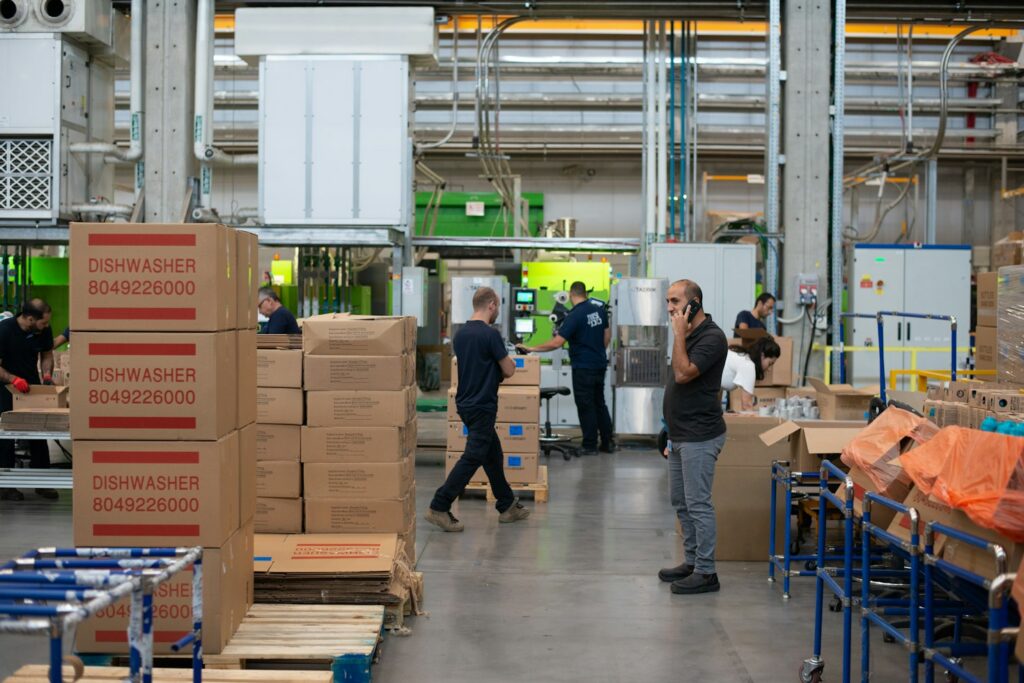
Inventory creates a second layer of work. A home garage or rented unit needs receiving space, shelf labels, packing supplies, parcel pickup, and a way to reconcile stock. A fulfillment partner removes much of the labor, yet you still need to investigate inventory mismatches, packing errors, and late shipments.
Run a test order through every supplier before you depend on one for paid traffic. Check the confirmation email, carrier scan, tracking page, packing quality, and delivery experience. For a high-ticket product, call the supplier too. You need to know whether a real person answers when a customer has a $2,000 problem.
Order flow needs one owner. A supplier who ships direct needs clear routing rules, updated tracking, and a written escalation path. If you hold stock, count top sellers on a schedule and compare your number against the store record. Small discrepancies become expensive once ads start driving volume.
Shipping Costs Need a Weekly Review
Shipping costs shift with zones, weights, dimensions, fuel, and carrier pricing. Holiday surcharges deserve special attention. A recent round of USPS changes included hikes of up to $18.20 for specific commercial Priority Mail Express parcels.
The USPS 2026 holiday notice lists the affected services, zones, weights, and temporary dates. Review your shipping rules before a surcharge lands in your margin. A $10 to $20 surprise on a low-margin order adds up fast.
Use a simple weekly review. Pull orders by product type, carrier, zone, and shipping charge. Look for products where actual cost consistently beats your estimate. Then adjust your product price, shipping threshold, supplier agreement, or carrier choice before the leak becomes normal.
Free shipping is not always a win. For high-ticket products, a transparent freight line or a threshold tied to margin often protects the business better. Customers will pay for clear delivery expectations. They do not like surprise calls after checkout asking for another $150.
Put delivery estimates on product pages and in confirmation emails. For bulky goods, state curbside versus room-of-choice delivery, liftgate needs, appointment requirements, and damage-reporting steps. My Shopify order fulfillment guide covers the customer-facing process before your first sale turns into a support ticket.
Scaling an Ecommerce Store Means Making Physical-World Decisions
A few orders a day fit inside a spare room. Growth changes the math. Space runs out, cartons pile up, pickup windows get missed, and stock records drift. At some point, you need to choose between more storage, a 3PL, additional staff, or better systems.
The market reflects present pressure. Technavio forecasts $643.2 billion in warehousing and storage market growth from 2024 to 2029. Your store does not need robots or a massive warehouse on day one. Your store does need a decision rule for when DIY fulfillment stops making financial sense.
Start with a rough cost comparison. Include your labor, storage, labels, packaging, carrier pickups, errors, and the time spent responding to delivery questions. Compare the total against quotes from several ecommerce fulfillment services. The cheaper option on a rate card is not always cheaper after mistakes and lost hours enter the picture.
Growth also changes your calendar. A late supplier meeting often makes you miss a warehouse receiving window. A day filled with samples, packaging discussions, and parcel drop-offs leaves little room for sales work. Block operating tasks into set windows instead of letting them eat every afternoon.
U.S. retail ecommerce sales reached $340.2 billion in the second quarter of 2026, according to the U.S. Census Bureau. More online demand creates more delivery promises. A store with a solid operating rhythm has a better chance of keeping those promises when order volume rises.
As volume builds, Shopify keeps orders, customer details, and fulfillment status in one operational record. Your job is building the human process around those records. Assign an owner for late orders, address changes, damaged freight, refunds, and supplier follow-up.
Build Systems Before You Need Them
Most operational stress comes from repeat questions with no written answer. Where is the warranty policy? Who approves a replacement? Which supplier receives the damaged-item claim? What happens when a customer needs to change an address after a carrier label exists?
Write the answer once, then turn the answer into a checklist. My ecommerce SOP template gives you a starting point for order processing, customer service, supplier follow-up, and exception handling. Keep each SOP short enough for a new team member to follow without a meeting.
Start with five procedures: new-order review, tracking follow-up, damaged-delivery claims, returns, and supplier escalation. Add screenshots, deadlines, and a named owner. Review each procedure after a problem instead of waiting until the next busy season.
Delegation works when the system is ready. A virtual assistant should not need to guess your refund rules or hunt through old email threads for freight details. My guide on outsourcing Shopify store operations to virtual assistants explains how to hand off work without losing visibility.
Put travel on the same operating plan. Supplier visits, warehouse appointments, and parcel pickups need buffer time. Rushing between appointments creates avoidable risk. A Toledo car accident lawyer handles local post-accident legal work. Your business needs fewer emergencies, not another vendor after a crash.
Use a Shopify order timeline as the starting point for exception reviews. Pull every order without tracking, every late shipment, and every refund each week. Patterns show up fast when one person reviews the list on a fixed day.
Deciding Between Home Fulfillment and a 3PL
Home fulfillment makes sense when order volume is predictable, storage is safe, and your own time cost stays low. Track every hour spent receiving cartons, picking products, packing orders, printing labels, answering delivery questions, and resolving mistakes. Most owners only count packing time. The hidden jobs often take more time than the label printer.
A 3PL is not automatically the right move after one strong sales month. Look for consistent pressure: crowded storage, missed carrier pickups, late dispatches, repeat inventory errors, or customer-service delays. Those signs show your current setup is limiting growth.
Ask every 3PL for a full fee schedule before signing. Get receiving fees, storage fees, pick-and-pack rates, packaging charges, returns fees, account minimums, and peak-season surcharges in writing. Also ask how the partner handles oversized products, insured shipments, inventory counts, and a lost carton.
Run one small batch before moving your full catalog. Send a controlled group of products, place test orders, inspect packing, and check tracking updates. A short test gives you a real view of response times and error handling without placing your whole business at risk.
Once fulfillment becomes a team job, ownership matters more than software. My ecommerce management service helps store owners build the daily support, supplier follow-up, and order processes needed for growth. The right structure frees your time for sales and supplier relationships.
Product Quality and Warehouse Safety Require Real-World Oversight
Once you start selling, your product needs to match the promise on your product page. Supplier photos and descriptions are not enough. Order samples, inspect shipments, and track recurring defects before customers write the same complaint in reviews.
Keep product documentation where your team will find every file. Save supplier invoices, batch details, safety documents, assembly guides, and warranty terms. Those records help when a buyer asks a specific question, a carrier damages a product, or a supplier disputes responsibility.
Recalls add real risk. The CPSC reported a growing share of recalls involving imported consumer goods sold through large ecommerce platforms. Review your supplier paperwork before adding a product line, especially around safety certifications and the supplier’s recall process.
Warehouse safety deserves the same level of attention. The Bureau of Labor Statistics reported 4.8 injuries and illnesses per 100 full-time workers in warehousing and storage during 2024. You do not need a large staff for safety procedures to matter. Clear aisles, safe lifting, labeled storage, and incident reporting protect people and reduce business disruption.
Do not treat returns as a separate problem. Many returns point back to inaccurate product data, weak packaging, unclear delivery expectations, or a supplier issue. My guide on handling dropshipping returns helps you build a process before the first difficult claim arrives.
For stores with warehouses or 3PL partners, schedule periodic reviews. Walk through receiving, storage, picking, packing, and handoff. Ask staff where the slowdowns and recurring errors sit. The people doing the work often spot an issue long before a dashboard does.
A Practical Weekly Operating Checklist
Use a recurring weekly review so the offline side of your business stays visible. Thirty focused minutes is better than ignoring small problems until Friday turns into a fire drill.
- Check open orders, tracking gaps, late shipments, and customer follow-up.
- Compare a sample of supplier inventory records against your store data.
- Review shipping costs and delivery exceptions by product and carrier.
- Read recent returns, damage claims, and product questions for recurring patterns.
- Update one SOP after every meaningful exception.
- Confirm next week’s supplier, warehouse, and carrier appointments.
A Shopify dashboard gives you the order data. The checklist turns data into action. Keep the review on your calendar even when sales feel quiet, because quiet weeks are the right time to tighten a process.
Store owners who want help building the site, supplier process, and operating plan without piecing every part together should look at my turnkey ecommerce service. The goal is a store built around a workable niche and a real fulfillment plan, not a pretty storefront with no system behind the site.
Frequently Asked Questions
How often should an ecommerce business owner visit suppliers?
There is no fixed schedule. Product complexity, order volume, supplier reliability, and distance all matter. New suppliers need more sample checks and more communication. Established suppliers still deserve periodic reviews and a visit when quality, packaging, or lead-time issues appear.
How do ecommerce entrepreneurs manage supplier visits and daily operations efficiently?
Group supplier visits with other local tasks, confirm appointments early, and bring a written issue list. Delegate routine order work after SOPs are ready. Leave buffer time between appointments so one delay does not push every other job off schedule.
Is dropshipping easier than holding inventory?
Dropshipping removes the need to store, pack, and ship every order yourself. You give up some control over packaging, inventory accuracy, and delivery speed. Holding inventory adds labor and space costs, yet gives you more control over the buyer experience. Choose based on your category, margin, supplier quality, and operating capacity.
When should a store move from home fulfillment to a 3PL?
Move when your own labor, space limits, shipping errors, or missed pickup windows cost more than a partner’s fee. Compare total cost, not only pick-and-pack pricing. A 3PL needs service-level terms, inventory reporting, a damage process, and a clear plan for high-value shipments.
Key Numbers & Facts at a Glance
| Metric | Figure |
|---|---|
| Seasonal hikes in shipping cost | Up to $18.20 by USPS |
| Number of product recalls by CPSC in 2025 | 376 recalls |
| Number of product recalls by CPSC in 2024 | 369 recalls |
| Incidence rate of warehouse injuries and illnesses | 4.8 per 100 full-time workers |
Ecommerce gives you flexibility, yet physical products still bring offline responsibilities. Think through product quality, suppliers, shipping, storage, safety, and customer communication before launch. Those decisions affect margin, schedule, and buyer trust long after your first product page goes live.
Document procedures, choose suppliers with care, and outsource only after the handoff is clear. A Shopify store is a useful engine for online sales. Your operating system is what keeps every order moving when the work leaves the screen.
Related Articles
For a deeper look at the work behind a reliable high-ticket store, read these next:
- High-Ticket Dropshipping: The Complete 2026 Guide
- How to Start a High-Ticket Dropshipping Business
- Prepare Your Store for Dropshipping Order Fulfillment
- Best Fulfillment Services for Ecommerce
- Ecommerce SOP Template

Trevor Fenner is an ecommerce entrepreneur and world traveler from Seattle, Washington, and the founder of Ecommerce Paradise, a platform focused on helping entrepreneurs build and scale profitable high-ticket ecommerce and dropshipping businesses. With over a decade of hands-on experience, Trevor specializes in high-ticket dropshipping strategy, niche and product selection, supplier recruiting and onboarding, Google & Bing Shopping ads, ecommerce SEO, and systems-driven automation and scaling. Through Ecommerce Paradise, he provides free education via in-depth guides like How to Start High-Ticket Dropshipping, advanced training through the High-Ticket Dropshipping Masterclass, and fully done-for-you turnkey ecommerce services for entrepreneurs who want a faster, more hands-off path to growth. Trevor is known for emphasizing sustainable, real-world ecommerce models over hype-driven tactics, helping store owners build scalable, sellable, and location-independent brands.
He maintains homes in Seattle and Bali, spends most of the year overseas, and usually returns to Seattle for about a month each summer.


